Perfect Time for Mount Everest Base Camp Trekking
The best time for Everest Base Camp Trek is a subject that every trekker asks before stepping into the Khumbu region, and it is a question that matters.
Walking from Lukla through Phakding, Namche Bazaar, Tengboche, Dingboche, Lobuche, and eventually reaching Everest Base Camp is an experience shaped by weather, visibility, temperature, and trail activity. People dream about seeing Everest shining above the clouds, and choosing the best time for Everest Base Camp Trek helps make that view real rather than blocked by seasonal conditions.
The trek is more than a climb from one altitude to the next. It is a rhythm of steady breathing, slow walks, constant hydration, and moments of quiet reflection. It is watching yaks push across suspension bridges, children racing beside mani stones, and prayer flags snapping in the wind. Those who choose the right season gain more than convenience. They gain harmony with the terrain and a deeper feeling of peace in the highest mountain homeland on earth.
Some travelers want liveliness on the trail, with hikers from different countries sharing stories in tea houses. Others want quiet snow paths with the sound of nothing but their boots and their heartbeat. The best time for Everest Base Camp Trek will depend on personal preference, weather tolerance, and trekking experience.
Seasonal Temperature Ranges Along the Everest Base Camp Trek
During spring, temperatures begin to warm steadily as trekkers move upward through the route. In Lukla, daytime temperatures usually sit between 10 and 18 degrees Celsius. Namche Bazaar sees roughly 5 to 12 in the daytime, while nights drop below freezing. By the time you reach Lobuche or Gorakshep, you can expect daytime conditions from 3 to 7 and nighttime lows from minus 5 to minus 10. These ranges allow comfortable daytime walking but cold evenings that require layered gear.
During the autumn season, temperatures are crisp, and skies are clear. Lower villages such as Lukla hold daytime conditions of 12 to 20 degrees, while Namche and Tengboche often sit between 5 and 10. Higher camps including Lobuche and Gorakshep experience daytime levels between 0 and 6 with night temperatures that can fall to minus 12 or even minus 15. The air feels dry, which helps with comfort during walking hours.
During the monsoon months, the lower part of the route from Lukla to Namche stays humid and warm. Lukla often holds between 18 and 22 degrees in the daytime, while Namche ranges from 12 to 18. Above Tengboche, daytime conditions cool to 8 to 14, and nights dip toward freezing. Humidity dominates the lower forests, and wind chill increases in alpine zones.
During winter, the colder part of the year, Lukla may see daytime temperatures of 5 to 10 degrees with nights around minus 5. Namche often sits below zero at night, and areas like Dingboche, Lobuche, and Gorakshep commonly drop far lower. Daytime levels in high sections range from minus 5 to 0, while nighttime temperatures can reach minus 18 and sometimes below minus 20. The air remains dry and thin, allowing remarkable clarity in mountain visibility.
Spring as the Best Time for Everest Base Camp Trek
Spring runs from March through May and is widely accepted as the best time for Everest Base Camp Trek because it brings warm days, open skies, and bright colors across the lower forests. When trekkers land in Lukla in early March, the air still carries some cold. By the time they reach Namche Bazaar, the sun often warms the narrow alleyways, and people walk comfortably in light layers during the day.
As April progresses, the forest zones around Phakding and Monjo fill with rhododendron blooms. These look like bursts of pink and red decorating the hillsides. It is one of the most beautiful natural displays on the route. The walk from Namche to Tengboche during spring feels lively and photogenic, with open views of Everest, Ama Dablam, and Thamserku framed by flowering hillsides.
Spring is also mountaineering season. Base Camp is busy with climbers setting up tents, adjusting gear, and receiving weather briefings for summit windows. Trekkers often find themselves standing shoulder to shoulder with expedition teams from different countries. Many enjoy this proximity because it makes the experience feel connected to real Himalayan climbing culture.
Flights to Lukla are usually more reliable during spring. Tea houses remain fully staffed. Supplies reach villages in larger quantities. The entire region feels ready for guests. The only drawback is that spring is popular, so the trail carries many trekkers. Still, the overall experience is friendly, energetic, and uplifting.
Many say that spring is the best time for Everest Base Camp Trek because it combines scenery, weather, and cultural interaction in a balanced way.
Why Autumn is the Best Time for Everest Base Camp Trek for Clear Sky Views
Autumn begins in late September and carries through November. This period is beloved by photographers and clarity seekers. After the summer monsoon, the air clears and mountains appear with sharp contrast. During late September, the last traces of moisture evaporate from the air. When trekkers reach Namche Bazaar on a clear October morning, they often get their first astonishing view of Everest without haze.
Walking toward Tengboche in autumn feels calm and crisp. The forests have a golden tone, and the wind carries the dry scent of high-altitude soil. Days are comfortable for hiking, especially in October, while nights at Dingboche and Lobuche become cold but manageable with proper gear selection.
Autumn is also festival season in Nepal. Dashain and Tihar bring cultural brightness to the villages. Families decorate homes. Children play in the courtyards. Sherpa communities greet travelers with extra warmth, and tea houses buzz with conversation and storytelling in the evenings.
Like spring, autumn is popular. The trail becomes lively. But the atmosphere is different. Spring feels awakened and colorful. Autumn feels clean and panoramic. Trekkers seeking the sharpest and clearest visibility often choose this season. For many, autumn is the best time for Everest Base Camp Trek for photography and long-range mountain views.
Trekking During Monsoon Months
The monsoon season from June through August is something trekkers often avoid, yet it has a character of its own. Clouds gather over Lukla and Phakding, which often cloak the mountains in a soft gray curtain. The trail from Lukla through Toktok and Benkar can be muddy and slippery. Leeches are active in the lower humid zones.
But something interesting happens above Namche Bazaar. Rainfall decreases, and the air becomes cool with mist. The land becomes quiet. Most trekkers are gone. Those who choose to trek in this period often describe a deeper personal connection with the environment, because there is little distraction.
This is not the best time for Everest Base Camp Trek if the main goal is mountain views. But if the purpose is solitude, deep contemplation, and a meditative style of walking, this season has value. Trekkers need strong waterproof layers and patience with flight delays. Lukla flights in these months can be unpredictable. Still, for those who enjoy walking in rain-scented forests and empty trails, the monsoon season offers a rare and personal experience.
Trekking in Winter for Silence and Peace
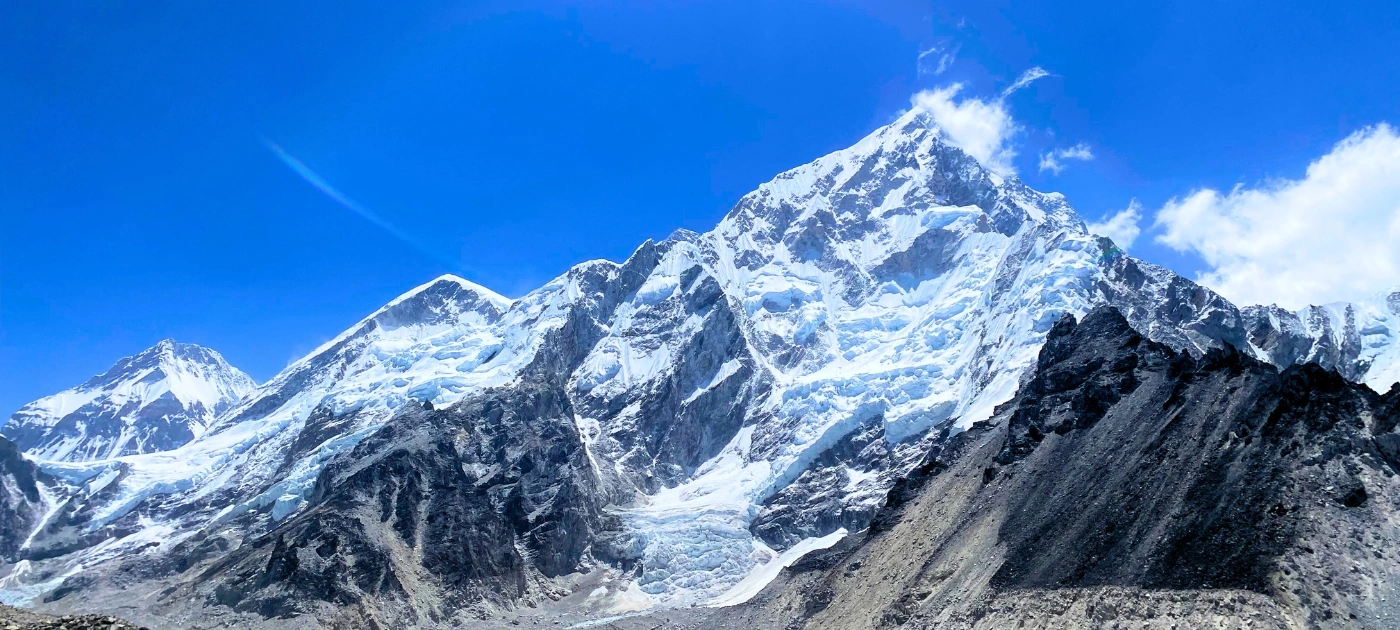
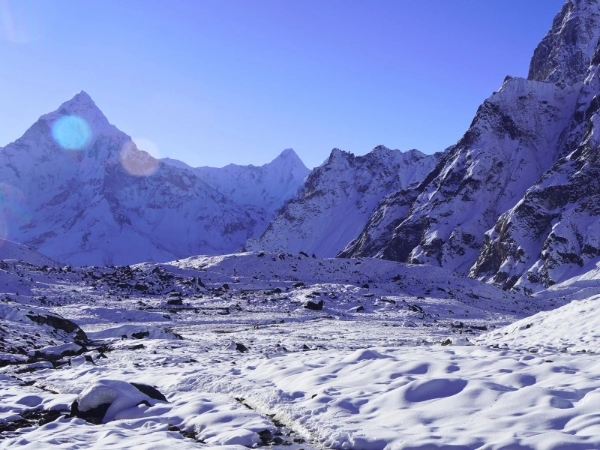
Winter runs from December through February. It is cold, direct, and honest. The temperature drops below zero at night from Tengboche upward, and the snow settles on the ridge lines around Lobuche and Gorakshep. But winter skies open wide. On many mornings, Everest appears so clearly that it looks closer than it truly is.
Winter trekking requires mental and physical preparation. Because of freezing temperatures, walkers wear heavy base layers, down insulation, and gloves that allow dexterity without frostbite risk. Some tea houses remain closed at high elevations due to low tourism. But those that stay open often offer quiet, intimate evenings around the indoor stove.
Winter is possibly the best time for Everest Base Camp Trek for trekkers who crave stillness. The mountains speak more during winter because there is less chatter around them. Those who trek in January often return saying that they heard the heartbeat of the Himalayas in the silence.
Route-Specific Considerations for Timing
From Lukla to Namche Bazaar, trekkers move through forests and river gorges. Weather here changes quickly. Lukla can be sunny while Monjo is raining. Namche Bazaar sits at the turning point of climate. Above Namche, the trail transitions into alpine openness.
The long path from Tengboche to Dingboche marks the transition into drier, thinner air. From Dingboche onward, views become more exposed. This is where the advantage of trekking in spring or autumn becomes clear. If a trekker enters Dingboche on a crystal day in October, the views of Ama Dablam stay locked in the memory for life.
From Lobuche to Gorakshep, wind becomes a dominating element. In winter this wind cuts sharply. In monsoon it can push moisture across the trail. In autumn and spring, it carries clarity.
Best Time for Everest Base Camp Trek Based on Your Personality
Some trekkers want social energy. They want to share dining room tables. They want to hear languages from Europe, South America, Australia, and Asia. They want to make friends, laugh, and drink hot tea around a wood stove. For them, spring and autumn are the best.
Some trekkers want reflection and quiet thought. They want to walk for hours with no conversation. They want to breathe slowly under wide silent skies. For them, winter or late November are the best.
Some trekkers love dramatic weather. They enjoy storms and mist. They like the feeling of unpredictability. For them, the monsoon might be appealing.
There is no single best time for Everest Base Camp Trek. There is only the right time for the right person.
Local Rhythm of Tea House Life by Season
In spring and autumn, tea houses run like structured guest lodges with full menus, heaters warming dining areas, and fresh supplies carried in by porters.
In winter, tea houses become small family shelters. Fewer rooms are used. Meals are simpler. Conversations are longer.
In monsoon, tea houses feel like rain shelters. Boots sit drying near stoves. The owners talk slowly and share local tales.
Popular Questions About the Best Time for Everest Base Camp Trek
What is the best time to visit Everest Base Camp?
The best times for the Everest Base Camp (EBC) trek are Spring (March-May) for blooming rhododendrons and expedition buzz, and Autumn (Sept-Nov) for crisp, clear post-monsoon views, ideal temperatures, and vibrant festivals like Dashain and Tihar. Both seasons offer excellent visibility, though Spring has warmer days and Autumn brings clearer skies but colder nights, with October and November being especially popular for stable weather.
What is the best month to go to Mount Everest?
The best months to go to Mount Everest (for trekking to Base Camp or climbing) are during the Spring (March-May), especially April, and Autumn (September-November), particularly October, as these offer clear skies, stable weather, and better views, with spring offering blooming rhododendrons and autumn having crisp, clear air, though spring is much busier with climbing teams and trekkers.
What is the single best month?
Many trekkers choose October because it brings ideal clarity and steady walking temperatures. Others choose April because it offers warm trekking days and blooming forests.
What is the coldest period?
The coldest period in the Everest region is Winter (December to February), especially January, where temperatures at Everest Base Camp (EBC) can drop below -20°C (-4°F) at night, plunging to -30°C (-22°F) or lower with wind chill, with the highest extreme cold felt at higher camps like Camp IV and the summit. The coldest spots are always higher up, with the summit experiencing temperatures around -41°C (-42°F) and extreme wind chill, while lower valleys are relatively milder.
What is the busiest period?
Mid-October through mid-November, and mid-April through early May.
When is the quietest time?
Mid-January through early February.
When are views sharpest?
Views are sharpest during Autumn (September-November) and Spring (March-May), especially post-monsoon when skies are crystal clear after the rains, offering pristine, dust-free air and stable weather, with October often cited as peak for perfect conditions, though expect bigger crowds and warmer days than late autumn. Early mornings are best for sharpest clarity before clouds build.
Final Thoughts
The best time for Everest Base Camp Trek depends on what you want from the mountains. If your dream is open skies, photogenic panoramas, and meeting travelers, then spring or autumn will give you what you seek. If your path is inward, and you want to feel the mountains in quiet solitude, winter will lay that path open to you. If you want a rare and personal journey with dramatic shifting clouds, then monsoon may even be your season.
Standing beneath Everest at Base Camp is an emotional moment. The Khumbu Glacier crackles beneath your boots. The summit looms far above the ice fields. The air feels thin yet clean. People often stand still there and think about the steps that brought them to this point. Every trekker remembers that moment. They do not remember it because of the calendar date. They remember it because something changed inside them.
The mountains speak differently in every season. Choosing the best time for Everest Base Camp Trek is choosing the voice in which the mountain will speak to you.