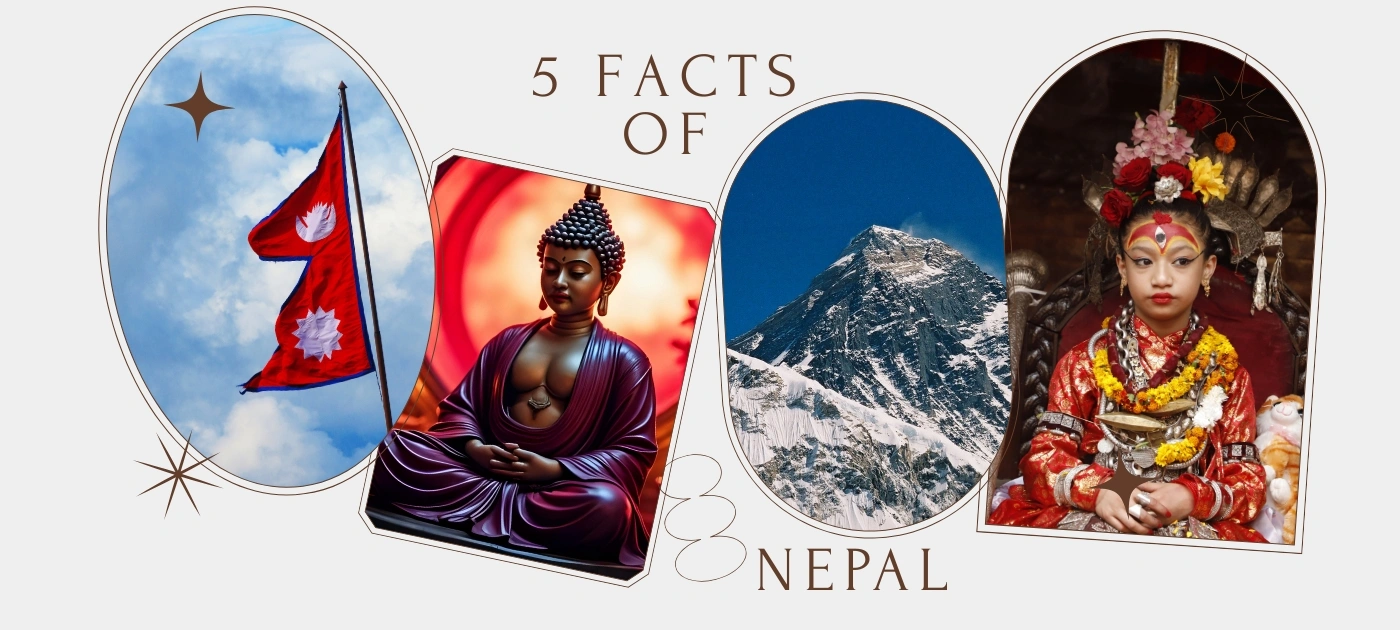
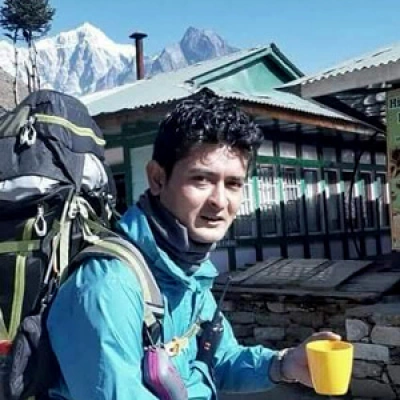
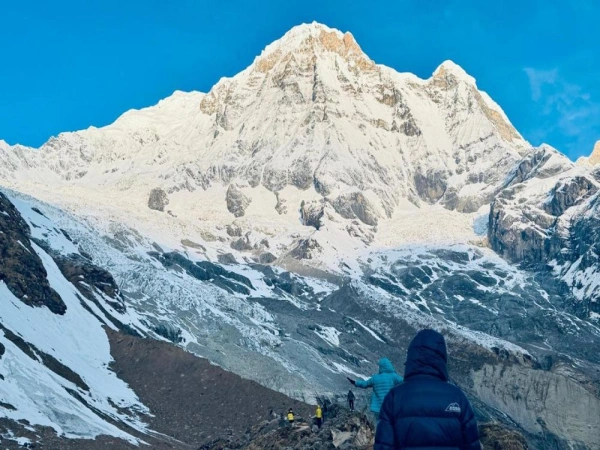
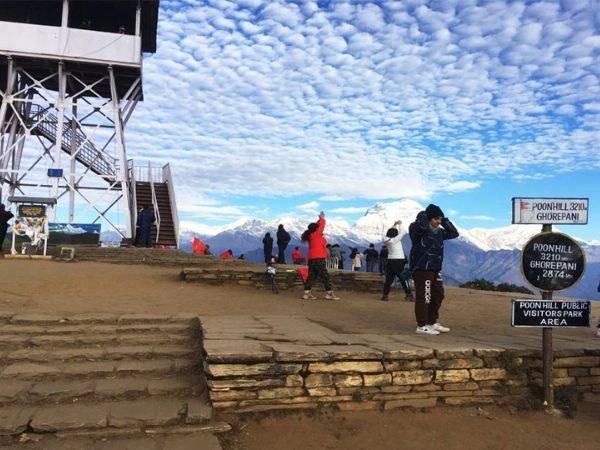
Nepal is a country of remarkable landscapes, towering mountains, and rich cultural traditions. Known for its Mount Everest, the highest peak in the world, Nepal also has eight of the ten tallest mountains on Earth. These peaks make it one of the most sought-after destinations for trekking adventures, including famous routes like the Everest Base Camp and the Annapurna Circuit.
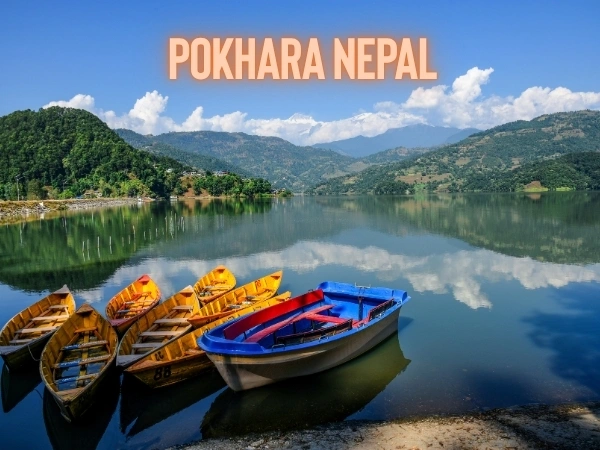
When exploring facts of Nepal, travelers discover that it is the birthplace of Buddha, a center of spiritual learning and pilgrimage. The country is home to the Living Goddess Kumari, a tradition that has lasted for centuries, reflecting the deep-rooted beliefs and rituals of its people. Nepal’s triangular flag is unique in the world, symbolizing its history and identity. Cities like Kathmandu and Pokhara offer a mix of bustling streets, ancient temples, and serene landscapes, making Nepal a destination that combines adventure, spirituality, and culture.
Beyond mountains and traditions, Nepal has lush forests, winding rivers, and vibrant wildlife, including tigers, rhinos, and snow leopards. Festivals like Dashain and Tihar showcase the colorful culture and bring communities together in celebration. Whether it is the excitement of mountain trekking, the calm of spiritual sites, or the warmth of local hospitality, these facts of Nepal highlight why it remains one of the most extraordinary countries in the world.
Key Geographical & Natural Facts:
- Highest Peaks: Home to eight of the 14 highest peaks in the world, including Mount Everest.
- Extreme Altitude: Ranges from near sea level to the highest point on Earth within a short span, featuring the deepest gorge, the Kali Gandaki Gorge.
- Landlocked: Situated in the Himalayas between China to the north and India to the south, east, and west.
- Biodiversity: A diverse terrain encompassing mountains, hills, and the flat Terai region.
Cultural & Historical Facts:
- Birthplace of Buddha: Lumbini, located in Nepal, is the birthplace of Siddhartha Gautama (Lord Buddha).
- Unique Flag: The flag of Nepal is the only national flag in the world that is not rectangular.
- Never Colonized: Nepal has never been colonized by any foreign power.
- Living Goddess: The tradition of the Kumari, or living goddess, is unique to Nepal.
- Cultural Diversity: A multi-ethnic country with over 140 ethnic groups and 120+ languages.
- Calendar: Uses the Bikram Sambat (BS) calendar, which is roughly 56 years and 8 months ahead of the Gregorian calendar.
Social & Political Facts:
- Government: Federal Democratic Republic with Kathmandu as the capital.
- Religion: Predominantly Hindu (over 80%), yet it is a secular nation.
- National Symbol: The cow is the national animal and is sacred; killing them is illegal.
- Gurkhas: Known for the fearless Gurkha soldiers, recognized globally for their bravery.
- Flag Motto: The national motto is "Janani Janmabhumishcha Swargadapi Gariyasi," which translates to "Mother and Motherland are Greater Than Heaven".
Top 5 Amazing Facts of Nepal
Home to Mount Everest and Extreme Altitude:
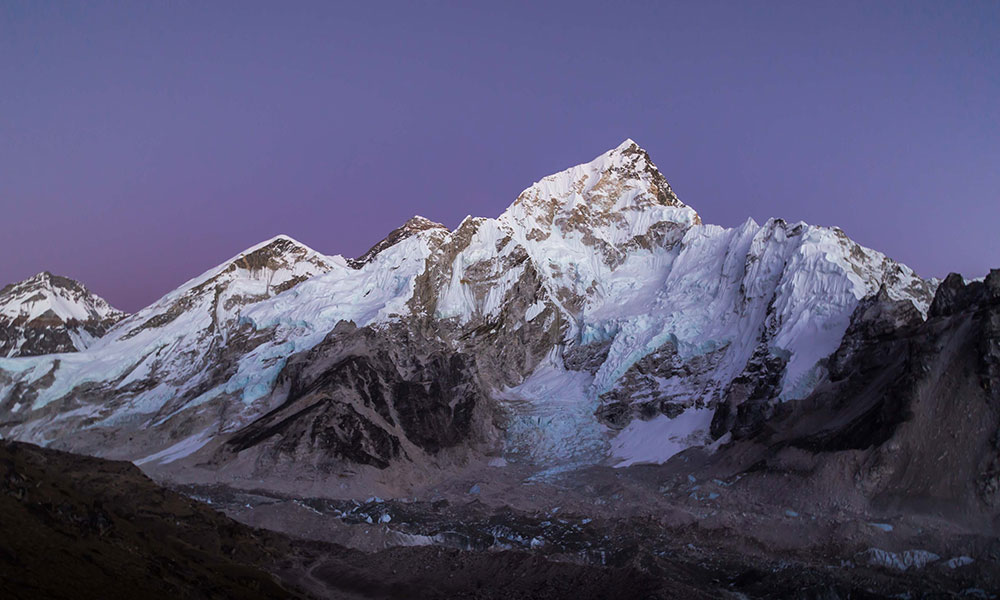
Nepal is home to Mount Everest, the tallest mountain on Earth, rising to 8,848 meters. Known as Sagarmatha in Nepali and Chomolungma in Tibetan, it is a symbol of the Himalayas and a top reason why adventurers and trekkers from around the world visit Nepal. The country also hosts eight of the fourteen highest peaks above 8,000 meters, making it a paradise for mountain lovers.
Why Everest Stands Out
Mount Everest is not only tall, it is alive in its own way. The mountain continues to grow a few millimeters every year as tectonic plates push together. Fossils found at the summit show that this land was once under the ocean millions of years ago. For the Sherpa people, Everest is sacred. Called Chomolungma, meaning “Mother Goddess of the World,” the mountain is treated with great respect. Climbers often participate in a puja ceremony at Base Camp, asking the mountain for safety and blessings.
Everest drives Nepal’s tourism economy. Expeditions are costly, often tens of thousands of dollars, and thousands of Nepalis earn their living as guides, porters, lodge owners, and helicopter pilots. The mountain also inspires records and achievements, like Kami Rita Sherpa, who has reached the summit thirty times.
A Top Fact of Nepal
Mount Everest is a symbol of Nepal itself. It represents adventure, natural beauty, human courage, and cultural heritage. Visiting Everest is more than a trek; it is a journey through Nepal’s landscapes, its traditions, and the lives of the people who live among the highest mountains on Earth.
Unique Flag: Only Non-rectangular flag in the world
One of the most fascinating facts of Nepal is its national flag, which is the only non-rectangular flag in the world. Unlike other countries that use rectangular or square flags, Nepal’s flag is made of two stacked triangles, called a double-pennon, symbolizing the Himalayan peaks. Every part of the flag, from its shape to its colors and celestial symbols, reflects Nepal’s history, culture, and independence.
The two triangles form a concave pentagon, unlike other national flags. Its proportions, about 1:1.22 height-to-width, are set in Nepal’s constitution, making it one of the most precise national flags in the world. The shape preserves ancient traditions of the Indian subcontinent and shows that Nepal has always held on to its cultural heritage.
Symbolic Elements
- Crimson red stands for bravery, victory, and the national flower, the rhododendron.
- Blue borders show peace and harmony.
- Crescent moon on the upper triangle represents calmness, serenity, and the cool Himalayan climate, as well as the Chandravanshi dynasty.
- Sun with 12 rays on the lower triangle reflects energy, determination, and the warmth of the lowlands, symbolizing the Suryavanshi dynasty.
Together, the sun and moon represent the hope that Nepal will last as long as these celestial bodies exist.
Cultural Significance
The triangles also mirror Hindu and Buddhist traditions, similar to temple pennants, and reflect Nepal’s mountainous terrain. The non-rectangular design has remained unchanged for centuries and stands as a symbol of Nepal’s independence and heritage.
Nepal’s flag is not only a national emblem but also a mathematical, cultural, and spiritual symbol, showing bravery, peace, and a strong connection to the Himalayas.
Lumbini: The Birthplace of Lord Buddha in Nepal
Nepal is a land of spiritual heritage, and few places hold as much significance as Lumbini, the birthplace of Siddhartha Gautama, who later became the Lord Buddha. Located in the Rupandehi District of southern Nepal, near the Indian border, Lumbini has drawn pilgrims and travelers from around the world for centuries.
A Sacred Birth
Queen Maya Devi gave birth to Siddhartha Gautama in the gardens of Lumbini around the 6th century BCE while visiting her parental home. This moment marked the beginning of a journey that would eventually inspire millions through the teachings of Buddhism.
The site’s sanctity was recognized centuries later when Emperor Ashoka visited in 249 BCE and erected a pillar with an inscription confirming Lumbini as the Buddha’s birthplace. This pillar remains one of the most important archaeological proofs of Buddha’s origin in Nepal.
Key Landmarks in Lumbini
- Maya Devi Temple: The spiritual heart of Lumbini, built over ancient temple ruins, marks the exact spot of Buddha’s birth. Archaeologists have uncovered a marker stone and other artifacts confirming the sacred site.
- Puskarni (Sacred Pond): Just outside the temple, this pond is where Queen Maya Devi is believed to have bathed before giving birth. It symbolizes purity and devotion.
- Monastic Zone: Divided into East and West, this area hosts dozens of monasteries built by countries such as Thailand, China, Germany, and Cambodia. Each reflects its own architectural style, showing the global impact of Buddhism.
- The Eternal Peace Flame: A flame burning continuously at Lumbini, symbolizing the universal desire for peace and non-violence.
UNESCO World Heritage Site
Lumbini was declared a UNESCO World Heritage Site in 1997, preserving its ancient ruins, temples, and monasteries. It represents a living history of early Buddhist architecture, devotion, and pilgrimage traditions.
Why Lumbini is Special
Lumbini is more than a historical site; it is a place of peace, reflection, and spiritual significance. Pilgrims and visitors come to walk in the footsteps of the Buddha, meditate under the sacred Sal trees, and experience a connection to a tradition that spans more than two millennia.
Unlike the snowy peaks of the Himalayas, Lumbini lies in Nepal’s tropical Terai plains, making it an accessible and warm destination for spiritual seekers and tourists alike. Its combination of history, culture, and tranquility makes it a must-visit for anyone exploring Nepal.
Living Goddess of Nepal: The Mystical Kumari
Nepal is a land full of unique traditions, and few are as fascinating as the Kumari, the Living Goddess. Unlike anywhere else in the world, Nepal worships a real, breathing child as a deity. This tradition blends history, religion, and culture in a way that continues to intrigue visitors and scholars alike.
Who is the Kumari?
The Kumari is a young girl chosen to embody the goddess Taleju Bhawani, a form of Durga. She usually comes from a Buddhist family in the Kathmandu Valley, specifically the Shakya or Bajracharya castes. From a very young age, candidates are tested for purity, courage, and a set of 32 physical and character traits known as Battis Lakshanas. These include features like eyelashes like a cow, a chest like a lion, and a body that resembles a banyan tree.
Once selected, she becomes the official Living Goddess and resides in the Kumari Ghar at Basantapur Durbar Square. Her daily life is carefully guided, and she appears in public only during festivals and important ceremonies.
The process of selecting a Kumari is strict and unique. Candidates are observed for their fearlessness and calmness during traditional tests, including staying alone overnight during ritual ceremonies. The final decision often involves the outgoing Kumari recognizing her successor through personal items.
This careful process ensures that the chosen girl truly embodies the qualities of the goddess she represents.
Although she lives in seclusion, the Kumari emerges during key festivals like Indra Jatra. During these celebrations, she is carried on a chariot through the streets of Kathmandu. Devotees believe that seeing the Kumari brings blessings, prosperity, and protection from harm.
A painted “fire eye” on her forehead symbolizes her divine power and perception. She rarely speaks, and her gestures are considered meaningful omens. Her feet are not allowed to touch the ground, reflecting her sacred status.
The Kumari’s divine role is temporary. She retires when she experiences her first menstruation or loses any of the 32 required physical traits. After retirement, she returns to ordinary life, and the search begins for the next Living Goddess.
Despite the temporary nature of her role, the Kumari leaves a lasting impact on Nepalese culture. The tradition dates back to the 17th century, during the reign of King Jaya Prakash Malla, and reflects a deep connection between Hindu and Buddhist practices. It is a living example of Nepal’s respect for feminine power and spiritual heritage.
Why is it fascinating facts of Nepal?
The Kumari remains one of the most remarkable traditions in Nepal. She represents a living link to ancient beliefs, a symbol of divine femininity, and a unique blend of religion, culture, and history. Visitors from around the world come to witness this mystical tradition, making the Kumari one of Nepal’s most fascinating cultural treasures.
Cultural Melting Pot and Ethnic Diversity:
Nepal may be small in size, but it is huge in culture and diversity. The country is home to over 140 ethnic groups and more than 120 languages, making it one of the most culturally varied nations in the world. Often called a cultural melting pot, Nepal showcases a unique "unity in diversity," where people from different backgrounds live together peacefully, blending cultures, traditions, and spiritual practices. The cow remains a sacred national animal, reflecting the spiritual values deeply rooted in daily life.
Ethnic Groups and Languages
Nepal is a true mosaic of cultures. Major ethnic groups include Brahmins, Chhetris, Newars, Gurungs, Magars, Tharus, Tamangs, and Sherpas. Each group has its own language, traditional dress, festivals, and cuisine, yet they coexist peacefully. The rugged Himalayan terrain has preserved unique languages and dialects for centuries. Traveling even short distances can reveal completely different cultural and linguistic traditions.
Vertical Diversity
Nepal’s diversity is not just cultural—it is geographical too. The country’s people and traditions change with altitude:
- Himalayas (North): Sherpas, Lhopas, and Dolpa-pas follow Tibetan Buddhism and thrive in high-altitude conditions.
- Hills (Middle): Gurungs, Magars, Tamangs, and Newars dominate this region, with Newars shaping the famous pagoda architecture of the Kathmandu Valley.
- Terai (South): Tharus and Madhesi groups live in the subtropical plains, blending cultures from India with indigenous practices.
Religious Harmony
Nepal is a model of unity in diversity. Hindus, Buddhists, Muslims, Christians, and Kirants live together peacefully, often sharing festivals and sacred spaces. Hindu and Buddhist traditions frequently overlap—Hindus visit Buddhist stupas, and Buddhists celebrate Hindu festivals. This harmony contributes to Nepal’s identity as a nation of peace and coexistence.
Festivals and Celebrations
Because of its diversity, Nepal celebrates more than 50 festivals each year. From Holi’s vibrant colors to the masked dances of Indra Jatra and the high-altitude rituals of Mani Rimdu, every region has its unique traditions. In Kathmandu, locals say, “There are more festivals than days in the year,” highlighting how central culture is to daily life.
Why It’s a Top Fact of Nepal
Nepal’s cultural and ethnic richness makes it a global standout. Few countries its size can match so many ethnicities, languages, and traditions living together in harmony. This density of diversity—combined with centuries of preserved culture—draws travelers, anthropologists, and cultural explorers, ranking Nepal alongside icons like Mount Everest, Lumbini, and the Kumari as a country of unique wonders.
Frequently Asked Questions of Nepal Facts
What is Nepal best known for?
Nepal is best known for being the home of Mount Everest and the world's highest peaks, attracting trekkers and mountaineers, alongside its rich spiritual heritage as the birthplace of Gautama Buddha (Lumbini), and a unique blend of Hindu and Buddhist cultures seen in its many temples, stupas (like Boudhanath), and UNESCO sites, plus vibrant traditions, diverse landscapes, and unique culture like the brave Gorkhas.
What is Nepal No. 1 in?
Nepal is primarily number one in two key areas: it is home to Mount Everest, the highest mountain in the world, and it was found in a recent global study to rank first globally for nature connectedness.
The country's geography is unique, featuring the greatest altitude change of any location on Earth, ranging from low-lying plains to the world's tallest peaks, a span that also contains eight of the ten highest mountains in the world. Besides its mountainous grandeur, Nepal holds a special place as the birthplace of Siddhartha Gautama, the Buddha, in Lumbini, a significant pilgrimage site for millions worldwide.
What is Nepal proud of?
Nepal is proud of its breathtaking Himalayan landscapes, unique non-rectangular flag, rich spiritual heritage as the birthplace of Buddha, and the land of Hindu-Buddhist harmony.
It is home to diverse cultures and resilient people, including the world-famous Gurkhas, and boasts significant water resources, all while maintaining a history of independence, having never been colonized.
Key points of pride include Mount Everest, ancient temples like Pashupatinath and Swayambhunath, rich biodiversity, and a tradition of peaceful political transitions and unity in diversity.
What are the 5 facts of Nepal according to Wikipedia?
Nepal is a landlocked Himalayan nation known for hosting Mount Everest and eight of the world's ten highest peaks, being the birthplace of Buddha, having a unique non-rectangular flag, and being home to diverse wildlife, with a culture deeply rooted in Hinduism and Buddhism, where cows are sacred.
Here are 5 key facts about Nepal:
Home to the World's Highest Peaks: Nepal contains Mount Everest (the highest point on Earth) and eight of the world's ten highest mountains.
Birthplace of Buddha: Lumbini, the birthplace of Siddhartha Gautama (the Buddha), is located in Nepal, making it a vital pilgrimage site for Buddhists.
Unique Flag: Nepal has the world's only non-rectangular national flag, featuring symbols of the sun and moon.
Religious Harmony: It's a multi-religious nation where Hinduism and Buddhism coexist, with the country formerly being the world's only Hindu Kingdom before becoming a republic in 2008.
Rich Biodiversity: Due to its varied geography from tropical plains to arctic heights, Nepal boasts incredible biodiversity, including unique species like the spiny blabber and numerous rhododendron species.
Conclusion
Nepal is a land of peaks and stories. From the towering heights of Mount Everest to the quiet sanctity of Lumbini, every corner holds a tale of courage, faith, and wonder. The Living Goddess Kumari, the vibrant festivals, the unique flag, and the resilient people all weave together into a tapestry of life unlike anywhere else on Earth. Walking through its valleys and villages, you feel the pulse of a country that has preserved its spirit through centuries.
We at Index Adventure are here to guide you into that heart. We lead you to Everest Base Camp, show you the villages where culture thrives, and let you witness the harmony of traditions and the bravery of the Gurkhas firsthand. With every trek, we help you experience Nepal not just as a destination, but as a story you live through, carrying memories of its mountains, people, and spirit long after the journey ends