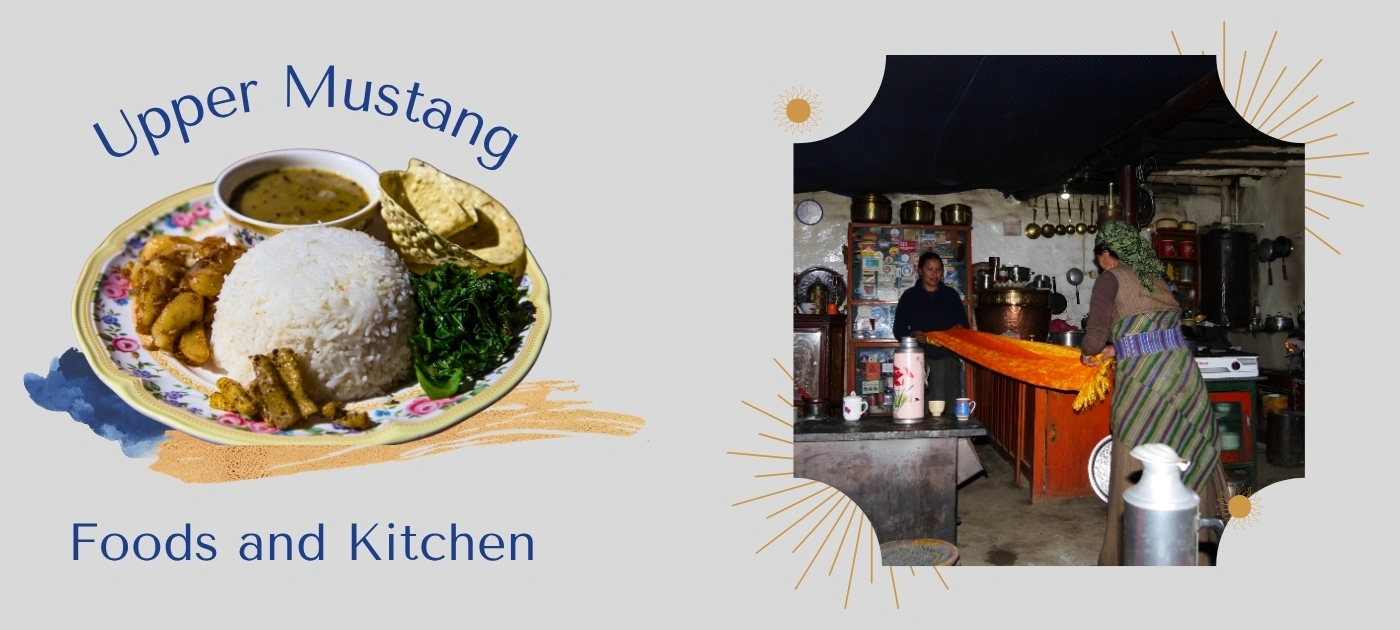
Trekking is not always about the scenes and views, rather it is about the memories and the experiences you draw from the journey. To make those amazing memories, traveling gives you an opportunity to come face to face with the cultures, habits, and traditions. What more than the food to represent all the diverse cultures you explore along the way?
Most people do not arrive in Upper Mustang expecting the food to matter much. They come for the ancient walled city of Lo Manthang, the red cliff landscape, the sky caves, the monasteries. And then they sit down in a teahouse at 3,800 metres, hands cold and legs heavy, and a bowl of steaming thukpa arrives. That is usually when it changes for them.
The food up here is simple. It is also hearty and culturally rooted in a way that most trekking cuisine in Nepal is not. Cooking at this altitude has always been about practicality, warmth, and using what the land actually grows. And Mustang grows different things from the rest of Nepal. Buckwheat, barley, millet, potatoes, apples, apricots.
The cuisine built from those ingredients belongs to a different world entirely. Meals here rely on local grains, root vegetables, and yak and chauri dairy, cooked on wood or gas stoves in communal teahouse kitchens. Ghee and Tibetan spices flavour most dishes, which tells you something important about how deeply Tibetan the culture of Mustang truly is.
We would argue the food in Upper Mustang is one of the most underrated parts of the entire trek. People focus on the permit, the landscape, the archaeology. But the meals? They are a genuine part of what makes this place feel unlike anywhere else in Nepal.
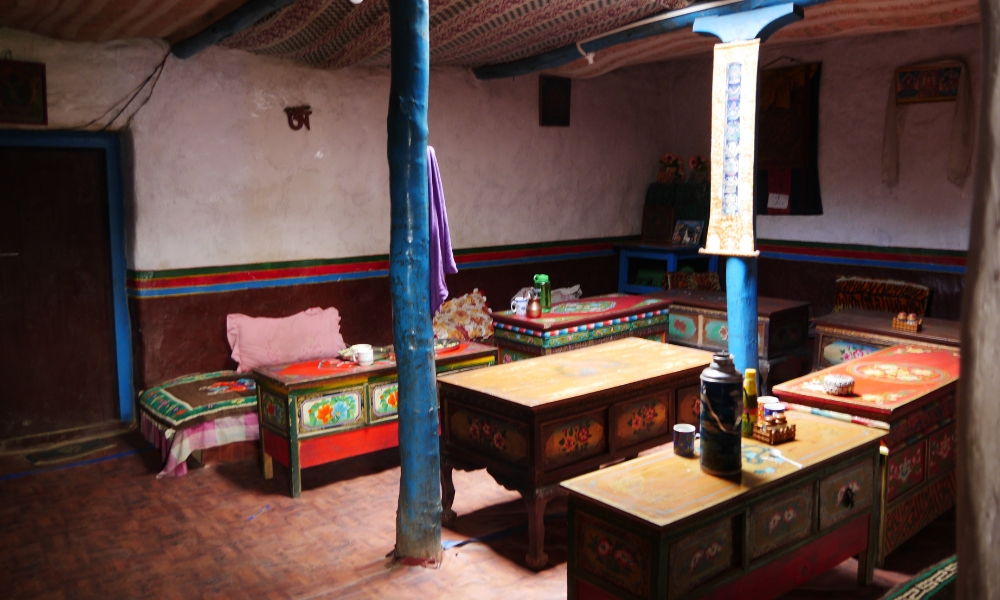
What Makes Upper Mustang Cuisine Different From the Rest of Nepal
Upper Mustang Trek is a trek to the northern side of the Himalayan region of Nepal which is home to various ethnic groups representing different food cultures. As you start the trek to the Mustang region, the first meal you have is the iconic Dal-Bhat which is a mixture of rice along with lentils, vegetables, Gundruk (fermented spinach), achars, and Chatnis on the side. This meal is the go-to food here in Nepal and is eaten twice a day as it is energizing and fulfilling.
In context with many other cuisines, you will come across local authentic food varieties such as newari food, street foods such as pani puri, Syabhale, Chowmin, momos, keema noodles and more in the first few days of your stay at Kathmandu. Kathmandu being the capital city offers a mixture of various different cultures with their unique diet.
Newari food and Thakali food are famous among local tourists as well as international tourists. The diverse ethnic and cultural values are represented by the diversity of the food people eat within their respective communities. You experience this diversity through the foods you have along the way to the Mustang region.
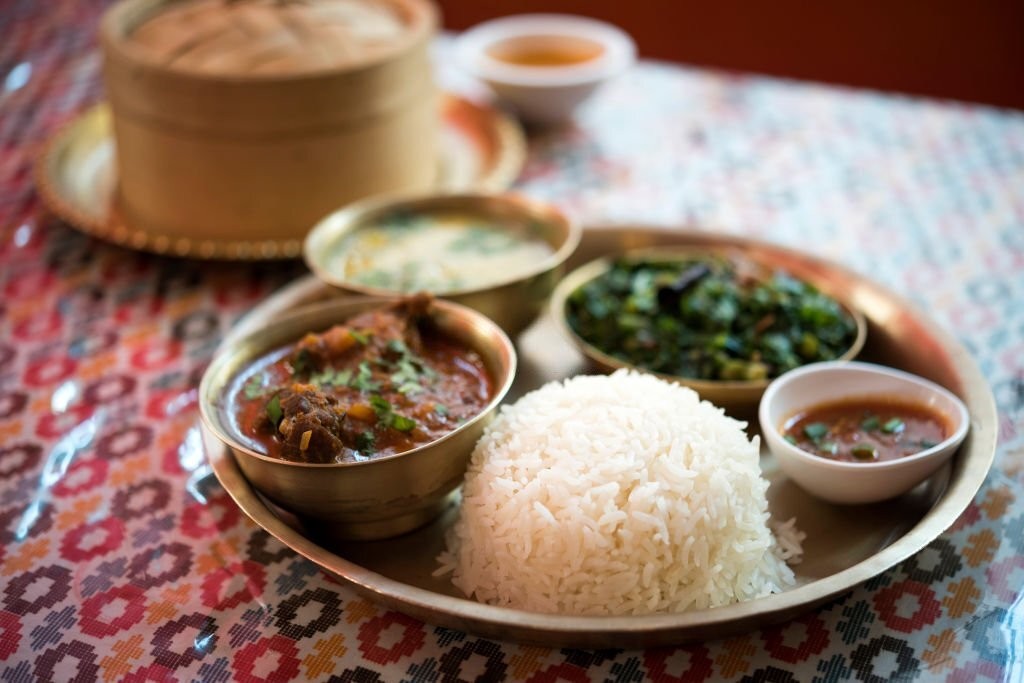
Food and meals during the Upper Mustang Trek
Talking about the food and meals, the infamous Momo gives you an exploding taste of spices and richness. Thukpas are Nepali hot noodle soup that gives you a warm cozy feeling as you move towards the cold windy region of Mustang. Yak and Chauri meats that are indigenous to the mountains are also appealing and nutritious along with the cheese that is made from the milk they produce.
One of the interesting and most intriguing diets you have is the pudding made from buckwheat, maize, or millet known as Dhido which is mostly consumed in the higher region instead of rice. The only rice produced and consumed in the colder region such as upper mustang is Marsi Rice.
Other than Dhido you might find rotis pretty common there which can be of varied types such as Phapar roti, Kodo roti, and Gahuko roti.
These regions of the 15 -days Upper Mustang Trek are mainly known for the production of potatoes, so different dishes of potatoes can be seen. Among them, Rildhok is a famous dish that is basically soup with cloudy textured potatoes, but this is the most comforting dish you will ever have.
Besides these foods, a common food item you see is the Churpi, it is the hardest cheese you find and is available everywhere you go on this trek. Another interesting thing regarding the food here in Nepal is the fermented and stored food.
During this trek, you are offered various fermented edible traditional dishes such as Gundruk, Sinki (fermented radish), fermented achars of fruits and vegetables such as mangos, Nepali hog pum, cucumber, radish, chilly, lemon, and more. The Ghee is the star of every Nepali dish as it is considered to give a premium taste to the buds.
So you experience the balanced as well as fulfilling taste of varied food items during the Upper Mustang Trekking However, as you approach Muktinath Temple you mostly find foods known as Prasads mostly made up of sweets and milk.
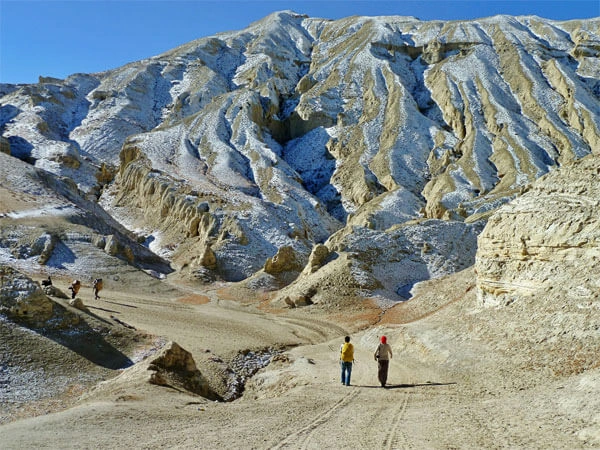
Best Villages for food around Mustang
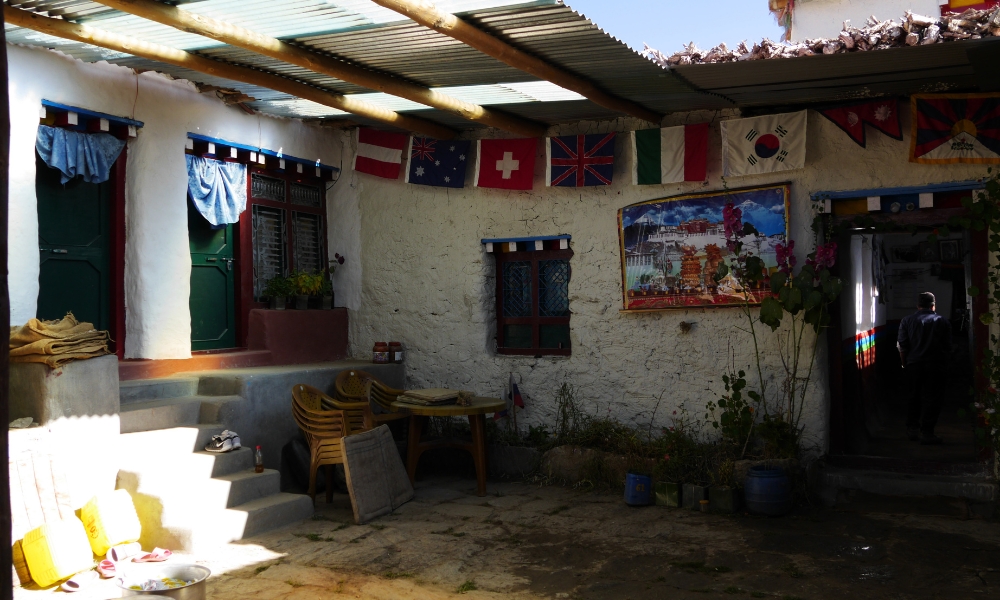
Not every village offers the same food experience, and knowing the differences before departure makes route planning significantly easier.
Kagbeni has the widest variety and freshest ingredients of any stop before the restricted zone begins. Multiple teahouses, Western options, fresh vegetables, and familiar items make it the most comfortable food stop on the route. It is also the last reliable place to stock up on snacks at reasonable prices.
Lo Manthang is the best food destination within the restricted zone. Multiple teahouses, the widest menu selection available at this altitude, and the best-equipped kitchens north of Kagbeni make it the place for a proper meal. Some lodges here offer something genuinely special with local produce, particularly in summer when fresh ingredients are most available.
Ghami and Charang are reliable mid-route villages with decent teahouses serving Dal Bhat, noodles, some pasta, and local Tibetan bread. Consistent but not exceptional. Good pit stops that do exactly what is needed.
Samar and Geling are smaller and more remote. Food options here are mostly Dal Bhat and simple noodles. Expectations should be adjusted accordingly. The food is honest and functional, and the cooking happens under conditions that make it genuinely impressive that anything arrives hot at all.
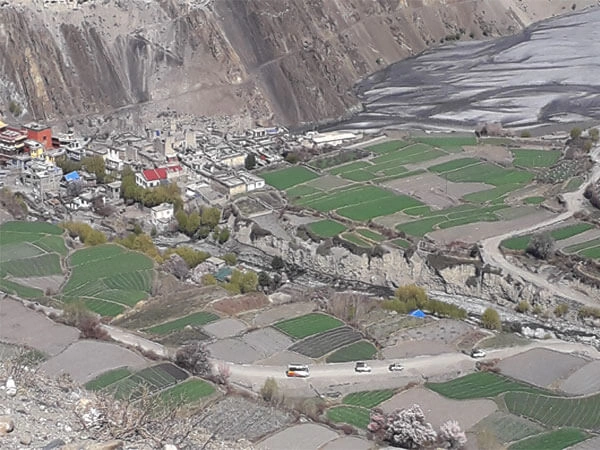
Packing and Food Tips for Mustang Trip
High-energy snacks are essential for the gaps between villages. Nuts, energy bars, chocolate, and instant porridge all earn their weight in a trekking bag when a teahouse is still two hours away and energy levels are starting to slide. Village shops from Kagbeni onwards carry some provisions, but markups are steep because supply costs are high.
A reusable bottle and water purification tablets or a filter bottle make a significant difference. Kagbeni and every village north of it charges for bottled water, and the cost accumulates quickly over a 12 to 15 day trek. Filtered or boiled water is available at teahouses throughout the route, but having a personal system as backup removes dependence on any single source.
Electrolyte sachets or ORS packets are worth carrying. Altitude and sustained physical exertion deplete salt levels faster than most trekkers expect, and staying on top of electrolyte balance has a measurable effect on morning energy levels. Basic stomach remedies are also sensible additions to any kit, since mild digestive adjustment is common in the first day or two as the body adapts to both altitude and new food.
One point of protocol worth knowing: cooking personal food is not permitted in Upper Mustang teahouses. All meals are ordered from the established teahouse menu. Tipping well when the food is good acknowledges the considerable effort of cooking at altitude with mule-transported supplies.
Beverages and Drinks in Upper Mustang, Nepal
To add further you are offered the finest of beers and rice wines that are traditionally made in Upper Mustang. Marpha is also known as the apple brandy of the fruit brandy which is highly consumed in the Mustang region. You can enjoy this fruit brandy with a luxurious view of the peaceful mountain range of the Annapurna circuit.
In addition to this, there is other authentic local alcoholic beverage that you can try during this trek. Chaang and Tongba, for example, are home-brewed fermented beer which is indigenous to the Sherpa people, Raksi is the traditionally distilled alcohol that can be found in local shops of Jomsom and Lo Mangthang.
You will explore the events of people drinking yak blood as a cultural belief of the medicinal properties that it holds. Other than alcoholic beverages, you also enjoy the traditionally made curd and yogurt as well as Mohi(a mixture of yogurt and water after the butter is separated). Tea made from the highly nutritious milk of the Yaks and Chauries raged in the hardy weather of Mustang is appreciable.
The usual cuisines offering burgers, noodles, soup, salad, eggs, French fries, and more are also available but with the local Nepali touch of the locally available herbs and fresh ingredients from their farms.
Vegetarian, Vegan, and Gluten-free meals
Vegetarians do well in Upper Mustang, better than on many other trekking routes in Nepal. Most dishes are naturally meat-free. Vegetable Dal Bhat, vegetable momo, thukpa, potato dishes, eggs, pancakes, and bread are all consistently available. Many teahouses mark vegetarian items clearly on their menus, and most hosts will accommodate without requiring extensive negotiation.
Vegan trekkers need to communicate clearly and early. Butter, yak dairy, cheese, and eggs appear in many dishes that seem plant-based at first glance. Tingmo, the steamed Tibetan bread, often arrives with butter or cheese as a default pairing. A guide who knows the dietary requirement before the trek begins makes this easier to manage at every stop.
Gluten-free trekkers can work well within the menu if they focus on rice-based dishes, Dhido made from corn or millet flour, and vegetable curries. Noodles and breads contain wheat flour and appear frequently. Informing the guide before departure, not mid-route, gives the best chance of consistent accommodation across all teahouse stops.
The consistent advice from guides across the route is to stick to vegetarian or clearly local dishes at higher altitudes. Meat travels significant distances by mule to reach remote teahouses and freshness cannot always be verified.
The food tour during the Upper Mustang trek is worthwhile as it fills your heart with the sweetness of the diverse cuisine you consume throughout the journey.
Upper Mustang Food and Drink packages with Trekking Agencies
Most trekkers book Upper Mustang through a registered agency because the restricted area permit requires an organised group, and food logistics are best handled at the same time as permits and guides.
The Budget Teahouse Package covers accommodation and meals in local teahouses along the route. Breakfast and dinner are included in the package rate. Lunch is paid for on the trail as the day progresses. Trekkers eat where they sleep, choose from the teahouse menu each meal, and experience Upper Mustang cuisine exactly as the route was designed to be experienced.
The Standard Semi-Guided Package with Full Board covers all three meals within the package cost. The agency arranges teahouses and the daily food is sorted without any calculation required from the trekker. Dal Bhat, thukpa, momo, and whatever the kitchen is producing that day all arrive as part of the arrangement.
Faqs regarding Mustang Meals and Drinks
What foods are served on the Upper Mustang trek?
Mainly Nepali and Tibetan meals including Dal Bhat, thukpa, momo, Tibetan bread, Dhido, Thenthuk, and potato dishes. Western options like pasta, pizza, and pancakes appear in bigger stops like Kagbeni and Lo Manthang, but become rare further into the route.
How much should a trekker budget for food and drinks?
Plan for NPR 2,000 to 4,000 per day per person, which covers approximately USD 20 to 40 and includes three meals and basic teahouse lodging. Individual meals average NPR 500 to 900.
Are meals included in trek packages?
Most organised Upper Mustang itineraries include full board, meaning breakfast, lunch, and dinner are covered at each teahouse stop. Trekkers choose from the menu each meal. Extra snacks, beverages, and alcohol require additional spending.
Which dishes are most worth trying specifically in Mustang?
Dal Bhat is the daily staple that anchors every trekker's diet on the route. The dishes that feel most specific to Mustang are Rildhok, Dhido, Chhurpi, Thenthuk, and Marpha apple brandy. These are experiences that cannot be replicated anywhere else in Nepal.
Where is the best food on the route?
Kagbeni offers the widest variety before the restricted zone. Lo Manthang offers the best food within it. Ghami and Charang are reliable mid-route stops. Samar and Geling are basic, with Dal Bhat and noodles as the primary options.
Can vegetarians eat well across the entire route?
Yes, consistently. Most dishes are naturally vegetarian or easily adjusted. Communicating this to a guide before departure covers most situations without requiring negotiation at every teahouse.
Is food safe for trekkers from outside Nepal?
Yes, when standard precautions are followed. Hot cooked meals at reputable teahouses, boiled or filtered water at all times, and avoidance of raw vegetables and meat of uncertain freshness cover the main risks. A guide will navigate any grey areas along the route.
What is Chhurpi?
It is dried yak cheese made from yak or chauri milk. Hard, protein-dense, and chewed slowly as a trail snack or grated onto dishes, it is one of the most iconically Mustangi foods available on the route.