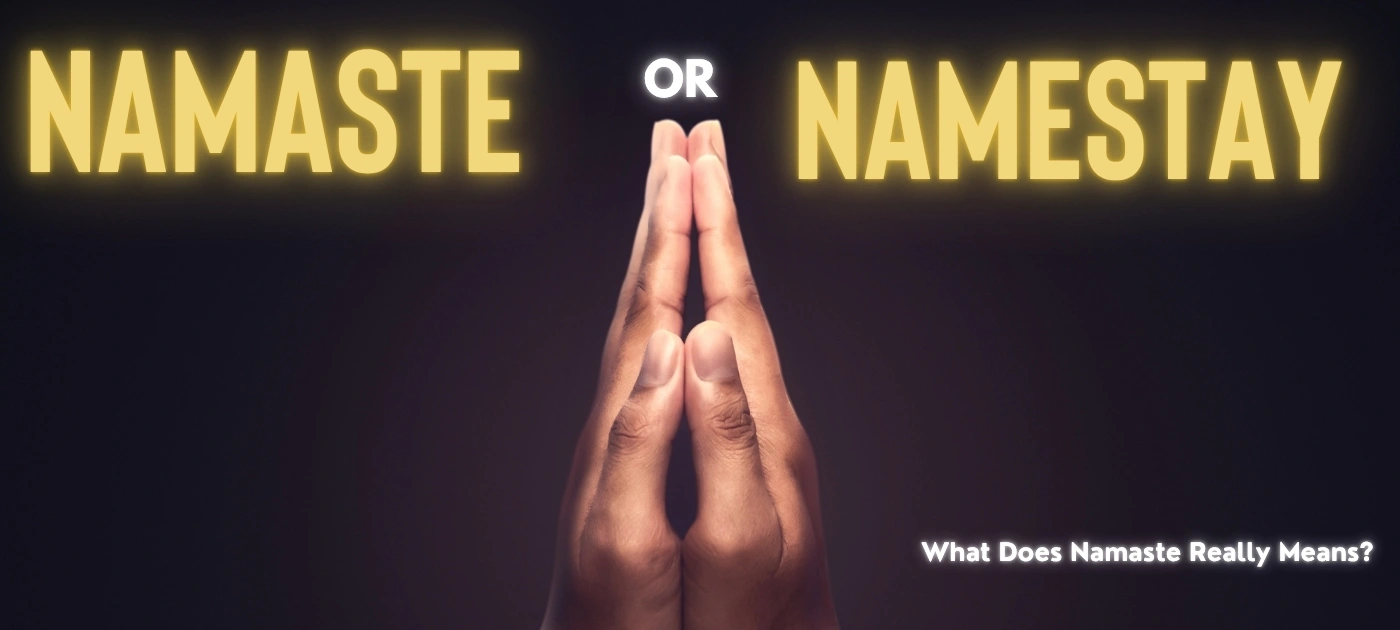
Namaste or Namestay (नमस्ते) is a respectful Hindu greeting, often accompanied by a slight bow and pressed palms (Añjali Mudrā), translating to "I bow to you". It is commonly used across India and Nepal to show honor and reverence, rooted in ancient Vedic tradition.
Nam aste! This traditional, respectful greeting, often used in Nepal and India, literally means "I bow to you," derived from Sanskrit namas (bow) and te (to you). It acknowledges the divine light, peace, and soul within another person, often accompanied by pressed palms (Anjali Mudra) and a slight bow
You've probably heard it at least once. Maybe at the end of a yoga class, hands pressed together, teacher bowing slightly. Maybe from a Nepali family greeting you at their front door. Or maybe you saw world leaders doing it during the pandemic instead of shaking hands. The word "Namaste" travels far these days. But most people only catch the surface of what it actually means.
So let's get into it properly.
Namaste (नमस्ते) is one of the most layered greetings on the planet. Not just a hello. Not just a yoga send-off. It's a Sanskrit expression that's been alive for over 4,000 years, carrying respect, humility, and a genuinely spiritual recognition of the person in front of you. Understanding the real meaning of Namaste changes how it feels when someone offers it to you.
And yes, some people spell it "Namestay." That's a phonetic variation that's become its own trending search, especially in travel and wellness communities. Same word, same meaning, different spelling. We'll get into that too.
What Does Namaste Mean Literally?
What does Namaste Mean Literally
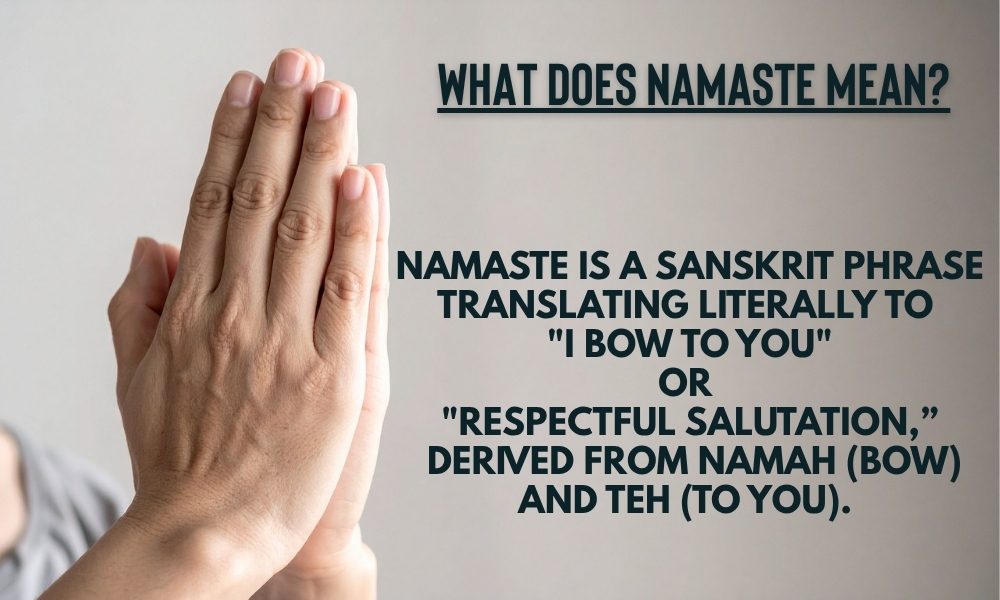
The Namaste meaning comes straight from ancient Sanskrit. Break the word into its two roots and you get "Namah" (नमः), meaning bow or reverence, and "Te" (ते), meaning "to you." The literal Namaste definition is "I bow to you."
But stop there and you've only got half the picture.
The fuller spiritual meaning of Namaste reads something like "the divine within me honors the divine within you." Some people phrase it as "the light in me recognizes the light in you." Both versions point to the same philosophical core: every person carries something sacred, and Namaste is the verbal and physical acknowledgment of that.
That's not a modern yoga interpretation. That's baked into the word from the very beginning.
Namaste Meaning in English: Why Translation Gets Tricky
When people ask for the Namaste meaning in English, the honest answer is that no single English word does it justice. "Hello" captures the greeting function but none of the depth. "I bow to you" captures the literal translation but sounds stiff in English.
What does Namaste mean in English most accurately? We'd say something like "I see the sacred in you, and I honor it." But even that feels like a reduction. Some meanings genuinely resist clean translation, and Namaste is one of them.
The Namaste greeting meaning operates on three levels simultaneously. It's a social greeting. It's an expression of respect. And it's a spiritual acknowledgment of shared humanity. All three layers are active every time someone offers it sincerely.
Namaste Pronunciation: How to Say It Correctly
Most English speakers say "nah-mah-STAY." Understandable. But the authentic Sanskrit Namaste pronunciation is closer to "nuh-MUH-stheh."
Here's what that means in practice. The "a" vowels carry a short "u" sound rather than the long "ah" that English speakers default to. The "st" combination is softer than in English, with the tongue touching just behind the front teeth, almost like a gentle "th." And the final syllable is soft, not emphasized the way English speakers tend to land on it.
How to pronounce Namaste correctly matters more than people usually acknowledge. Getting it right signals genuine respect for the language and culture it comes from. It shows you're engaging with the real thing rather than borrowing the aesthetic.
Namaste Symbol and Gesture: Añjali Mudrā
Namaskar
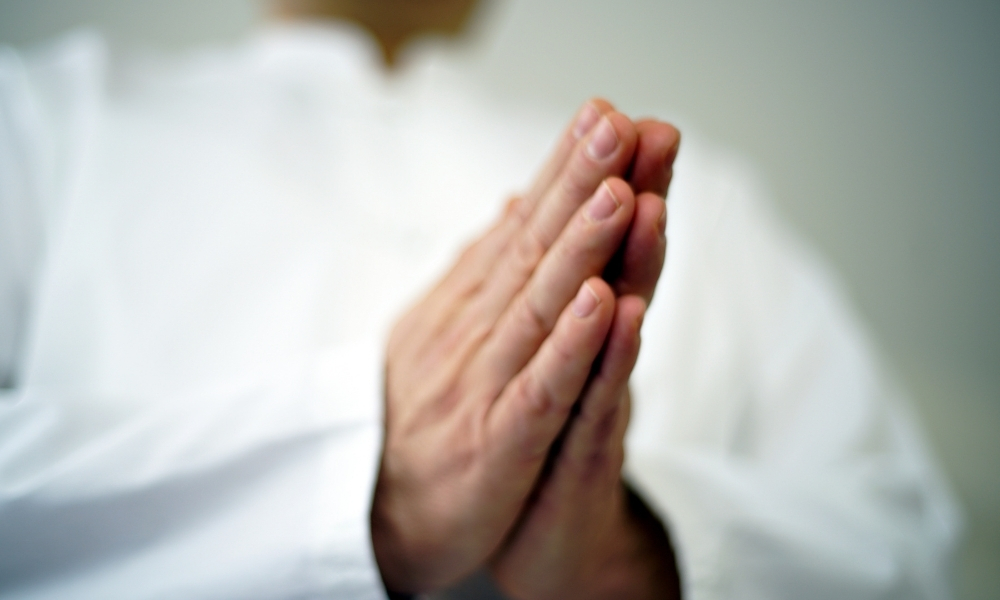
Namaste isn't just a word. The Namaste hand gesture is called Añjali Mudrā (अञ्जलि मुद्रा), and the standing posture that accompanies it is Pranāmāsana. The Namaste symbol you see everywhere, two hands pressed together with a slight bow, carries its own complete spiritual meaning.
Bringing both palms together at the chest represents the meeting of opposites into unity. Left and right. Giving and receiving. The individual self and the divine. It's used in Indian classical dance forms like Bharatanatyam to express reverence. It appears throughout yoga and meditation as a grounding, centering posture. And it plays a central role in Hindu, Buddhist, and Jain religious ceremonies.
There's actually a subtle distinction worth knowing between Añjali Mudrā and Namaskara Mudrā. In Añjali Mudrā, the thumbs angle perpendicular to the fingers with backs of the hands facing the chest, more commonly used in offerings and blessings. In Namaskara Mudrā, the thumbs align with the other fingers in a more uniform position, typically used in greetings and expressions of mutual respect. Same folded hands on the surface, meaningfully different in context.
The Namaste emoji 🙏 that appears everywhere in digital communication draws directly from this gesture, though it's worth knowing that in some East Asian cultures the same emoji carries different meanings. Context still matters, even in digital shorthand.
How to Say Namaste: The Full Practice
Performing Namaste properly is simple. But doing it with genuine intention takes a little more thought.
Stand or sit comfortably with a relaxed, upright posture. Bring both palms together at the center of your chest, fingers pointing upward, pressed gently but firmly together. This is Añjali Mudrā. Bow your head slightly forward. A sincere nod is enough.
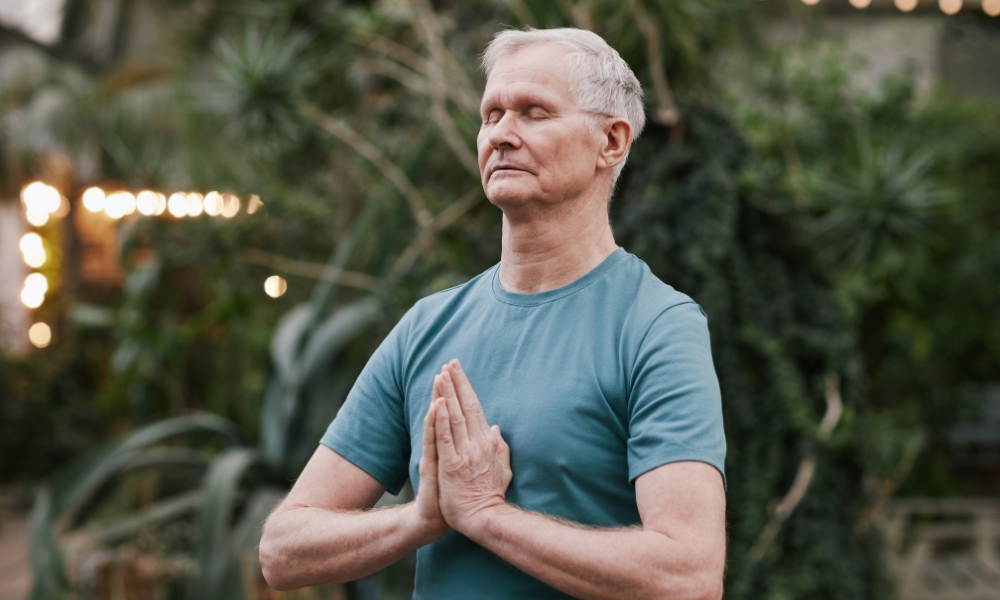
A deep bow isn't necessary in most casual interactions. Close your eyes briefly if the moment feels right. Many people find it deepens the sincerity of the exchange. Say "Namaste" with a calm, warm tone. Not performative. Not rushed. Just genuine.
And when someone greets you with Namaste? You respond with Namaste. The same gesture, the same word, the same spirit returned. The exchange is designed to be mutual.
Namaste Origin and History: Where Did It Come From?
Nam aste, Namestay or Namaste?
The Namaste origin goes back further than most people expect. Significantly further.
Archaeological excavations connected to the Indus Valley Civilization have uncovered terracotta figurines in the Añjali Mudrā posture dating to the Mature Harappan period, roughly 2600 to 1900 BCE. That's over 4,000 years ago. The gesture predates modern yoga culture by millennia. It predates most of the world's currently practiced religions.
The Namaste origin and history in written texts begins with the oldest Sanskrit scriptures. The Rigveda, the Atharvaveda, and the Taittiriya Samhita all reference the concept of Namaskara, meaning salutation and reverence. Rigveda 10.85.22 uses the term "names-krita" specifically to convey worship and adoration. The Atharvaveda 6.13.2 and Taittiriya Samhita 2.6.11.2 both use "Namas-te" in contexts of reverence and homage. The full expression "Namaste" as we know it developed further in the Mahabharata.
So when someone asks about Namaste origin and history, the answer spans four millennia of continuous use across religious, cultural, and social contexts. That's not a small thing.
Nam aste in Hindu Art and Temple Architecture
The Añjali Mudrā appears throughout Hindu temple architecture in ways that make its spiritual significance impossible to miss.
The 13th-century Chennakesava Temple in Somanathapura, Karnataka, features elaborate carvings of the Hindu god Kubera alongside a figure in the Namaste posture. The Thrichittatt Maha Vishnu Temple in Kerala has entrance pillars adorned with figures holding the Añjali Mudrā. In Nepal, the Changu Narayan Temple (4th century CE) and the Pashupatinath Temple in Kathmandu both feature intricate sculptures of deities and devotees in the Namaste posture.
These aren't decorative choices. They're theological statements about the nature of reverence, carved in stone and preserved for centuries.
Namaste Spiritual Meaning: The Philosophy Behind the Greeting
Here's where the Namaste spiritual meaning gets genuinely interesting.
In Hindu philosophy, Atman refers to the universal Self, the divine essence that exists within every individual. When you say Namaste to someone, you're saying: I see that divine essence in you, and I honor it with the divine essence in me. It's not a transaction. It's a recognition.
Sanskrit scholar Stephen Phillips points out something worth sitting with: the word "Te" in Sanskrit is actually an intimate, informal form of "you," the kind of language reserved for close relationships or for addressing the divine directly. So every Namaste implicitly treats the person in front of you as someone deserving that level of closeness and reverence.
This spiritual greeting operates across multiple traditions simultaneously. For Hindus, it acknowledges the divine in others. In Buddhism, monks use it to express mutual respect and mindfulness. In Jainism, it's offered before teachers and enlightened beings as an expression of humility. Three traditions, one shared gesture, the same fundamental intent. The cultural significance of Namaste genuinely crosses religious lines in a way that most greetings simply don't.
Namaste Meaning in Yoga: Why Yogis Say It
Namaste in Yoga
The yoga world gets credit for introducing Namaste to global audiences, even when the deeper meaning sometimes gets simplified in the process.
Namaste meaning in yoga is used at the start and end of classes as a gesture of mutual gratitude between teacher and student. The teacher typically offers it first, acknowledging the student's presence and effort. Students return it to honor the guidance they've received. Why do people say Namaste at the end of yoga? Because closing a practice with a sincere acknowledgment of shared experience is more meaningful than just rolling up your mat and heading out.
We'd argue this is actually a faithful use of the original meaning, as long as it's offered with some genuine understanding rather than just as a trendy sign-off. Namaste meaning in yoga is most powerful when the person offering it actually knows what they're saying and means it.
Namaste in Hindi and Across South Asian Languages
In Hindi (नमस्ते), Namaste is the standard formal greeting used across northern India and in Bollywood culture. It's how you'd address an elder, greet someone you respect, or open a formal interaction. Hello in Hindi is often simply "Namaste" in practice.
The greeting travels across South Asian languages, each with its own variation rooted in the same Sanskrit core.
Marathi uses Namaskar (नमस्कार). Bengali also uses Namaskar (নমস্কার). Telugu speakers say Namaste (నమస్తే). Kannada uses Namaskara (ನಮಸ್ಕಾರ). In Malayalam, the equivalent is Namaskaram (നമസ്കാരം), a traditional greeting from Kerala. Tamil uses Vanakkam (வணக்கம்). Sinhala uses a form of Namaste (නමස්තේ). In Urdu (نمستے), Namaste is recognized as part of Indian cultural heritage, though "Salaam" remains the more common everyday greeting.
Namaste in Japanese and Global Contexts
Namaste in Japanese (ナマステ) has been adopted primarily within yoga and wellness communities. Japan maintains its own traditional gestures, particularly Gassho (合掌) in Buddhist practice, which carries similar energy to Añjali Mudrā. But Namaste has found genuine traction in Japanese yoga spaces as teachers and students adopt its framing of mutual respect.
In Chinese Buddhist contexts, the equivalent gesture is Héshílǐ (合十礼). In German and other Western European languages, there's no direct equivalent. "Guten Tag" handles the greeting function but carries none of the spiritual layering. Namaste in German contexts tends to appear in yoga studios and wellness communities, where its meaning is increasingly understood even without a direct translation.
Across Western languages including French, Spanish, and Russian, Namaste functions more as a spiritual or yoga-specific salutation than an everyday greeting. But its global footprint keeps growing.
Namestay Country: Where It Comes From and Where It Lives
People sometimes search "Namaste country" wanting to know its geographic origin. The honest answer is that Namaste belongs to the Sanskrit language tradition, which spans the entire Indian subcontinent. It's most deeply embedded in Nepal and India, but its roots predate both modern nations.
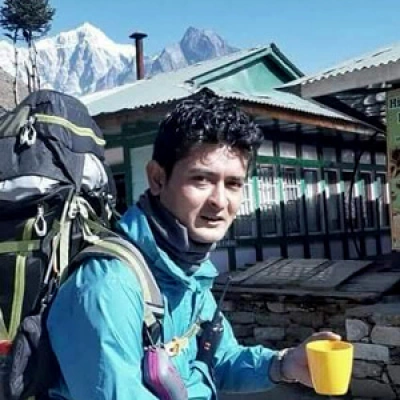
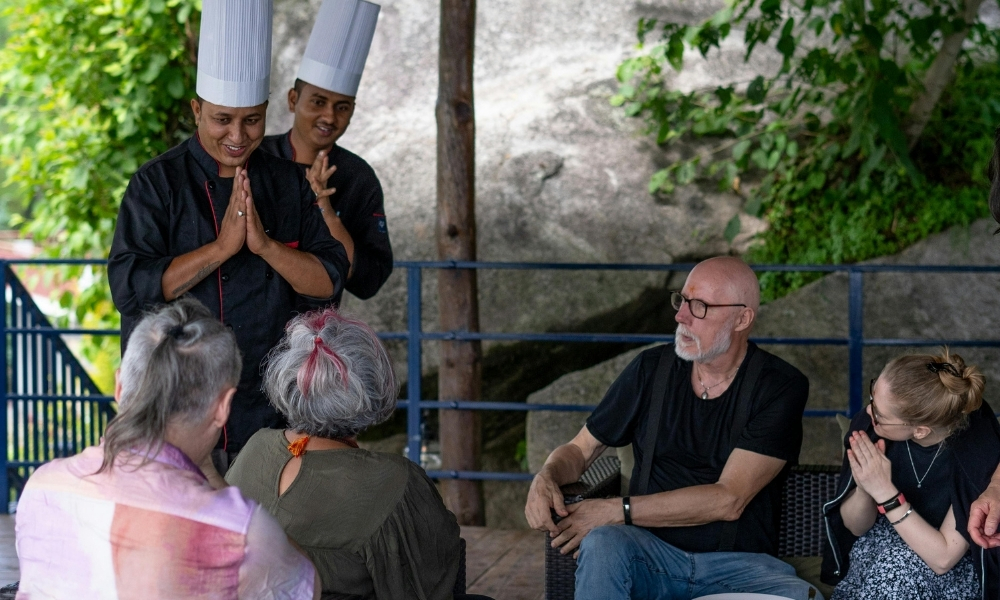
In Nepal, Namaste is woven into the fabric of daily life in a way that visitors immediately notice. Namaste culture in Kathmandu means you'll hear it from shopkeepers, hotel staff, trekking guides, schoolchildren, and grandmothers. It's not reserved for special occasions. It's just how people acknowledge each other.
Namaste meaning in Nepal carries the same Sanskrit foundation, "I bow to you," but with the added cultural weight of a society where this greeting has been the standard form of respectful acknowledgment for generations.
In India, Namaste greeting in India varies slightly by region. In the Hindi-speaking north, it's the default formal greeting. In southern states, regional variations like Vanakkam (Tamil) or Namaskara (Kannada) take precedence, but Namaste is universally understood throughout the country.
Why Do Hindus Say Namaste?
Namaste holds a specific position within Hindu worship that goes well beyond casual greeting. It's recognized as one of the 16 Upacharas, the veneration practices performed during puja, formal worship. When a Hindu devotee enters a temple and offers Namaste to the deity, that act carries the same spiritual weight as any other ritual offering.
The Taittiriya Upanishad articulates the principle of Atithi Devo Bhava, meaning "treat the guest as a god." In this framework, offering the Namaste greeting to a visitor means acknowledging them with divine-level respect. You're not just being polite. You're recognizing that the person at your door deserves the same reverence as a sacred guest.
Namaste is also one of the six traditional forms of Pranama, the bowing gestures within Hindu culture. In various regions of India and Nepal, Pranama and Namaste are used interchangeably to express respect for elders and spiritual teachers, humility before a higher power, and gratitude for wisdom received.
Is Namaste Religious or Cultural?
This comes up a lot. And to be fair, the answer is both, and neither exclusively.
Namaste has clear religious roots in Hinduism, Buddhism, and Jainism. But it also functions as a cultural greeting across South Asia regardless of personal religious belief. Many secular Nepali and Indian people use Namaste daily without any conscious religious intent. It's simply how you greet someone respectfully.
The question "is Namaste offensive in western culture" comes up sometimes too. The honest answer: using Namaste with genuine understanding and respect for its origins is generally considered appropriate. The concern arises when it's reduced to pure aesthetic, a trendy Instagram caption stripped of all meaning. If you know what it means and offer it sincerely, you're engaging with it the right way.
Should tourists say Namaste in Nepal? Absolutely. Locals genuinely appreciate when visitors use it properly. It signals respect, curiosity, and a willingness to engage with the culture on its own terms.
Namaste Etiquette for Travelers: When and How to Use It
Use of Namaste
Knowing Namaste etiquette for travelers can meaningfully improve every interaction you have in Nepal or India.
Use Namaste when meeting someone for the first time. Use it when greeting elders or people you respect. Use it as a farewell as well as a greeting. The word works both ways. Don't use it sarcastically or performatively. The gesture reads immediately as insincere to people who use it genuinely every day.
When not to say Namaste? In extremely casual settings among close friends, it can feel overly formal in some contexts. And in business environments in urban India or Nepal, a regular handshake may actually be more appropriate depending on the context. Reading the room matters.
Namaste vs. Namaskar: What's the Difference?
People ask this constantly, and honestly both words get used interchangeably in everyday conversation all the time. But there are real distinctions worth knowing.
Namaste combines "Namah" (नमः) and "Te" (ते), making it versatile for everyday social, spiritual, and informal interactions. You use it to welcome guests, greet elders, express gratitude, and show everyday courtesy.
Namaskar combines "Namah" (नमः) and "Kara" (कार), meaning "I bow with respect." It carries slightly more formal and ritualistic weight. Namaskar appears more commonly in Hindu religious ceremonies, yogic practices, and formal gatherings. It typically implies a deeper bow and a more deliberate gesture.
Think of the difference between namaste and namaskar like the difference between "hello" and "good day." Same core intent. Different register and context.
The Three Meanings of Namaste
If someone asks what Namaste means, here's the complete three-part answer.
First, "I bow to you." That's the literal Sanskrit translation, the grammatical foundation of the word. Second, it's a greeting, a versatile way to say both hello and goodbye that carries genuine warmth beyond simple social function. Third, it's an expression of deep respect, an acknowledgment of the wisdom, divinity, or inherent worth of the person in front of you, whether that's an elder, a teacher, a stranger, or a deity.
All three meanings are active simultaneously every time someone offers a sincere Namaste. That's what makes it genuinely different from almost any other greeting in the world.
Namaste During COVID-19: A Global Turning Point
During the pandemic, something remarkable happened. World leaders needed a dignified, contact-free way to greet each other, and Namaste, a touch-free gesture of respect with global recognition, became the natural answer.
Indian Prime Minister Narendra Modi actively promoted its use. French President Emmanuel Macron and members of the British Royal Family including Prince Charles used it in diplomatic settings. President Joe Biden and other Western leaders adopted it during formal events.
A 4,000-year-old Sanskrit greeting became the world's go-to contact-free salutation almost overnight. It crossed linguistic barriers, worked across cultural backgrounds, and carried a message of shared humanity at exactly the moment the world needed one. That's not coincidence. That's a greeting with staying power built into its DNA.
Namaste as a Travel Lifestyle and Wellness Trend
The Namestay meaning in travel culture has developed into something distinct from the original Sanskrit greeting. "Namestay" has become shorthand in the travel and wellness world for a whole approach to being present, respectful, and grounded while exploring new places. You'll see it used across Namaste Instagram captions, Namaste aesthetic content, and Namaste wellness culture broadly.
We'd argue there's something genuine in this trend even if the word gets stretched. The underlying idea, approaching travel and life with humility, openness, and respect for what you encounter, actually maps pretty faithfully onto what the original greeting means. As long as the commercial Namaste products, Namaste clothing brands, and Namaste home decor that follow in its wake don't completely drain the word of meaning, the wellness culture adoption of Namaste seems basically in good faith.
Namaste Meaning in Buddhism vs. Hinduism
This is worth unpacking separately because the two traditions approach Namaste differently even while sharing the same gesture.
In Hinduism, Namaste explicitly acknowledges the divine, Atman or Purusha, within each person. It's theologically loaded in a specific way, connected to Vishnu worship, Shakti traditions, and the broader framework of recognizing divinity in all created beings.
In Buddhism, the practice is more about mutual respect, mindfulness, and compassion than about acknowledging a divine Self. Buddhist monks use the Añjali Mudrā to express reverence, mark sacred moments, and signal presence and attentiveness. The gesture carries spiritual weight without the same theological specificity about the nature of what's being honored.
Both uses are genuine. Both are respectful. The Namaste meaning in Buddhism vs. Hinduism differs in philosophical framing while landing in the same place emotionally and socially.
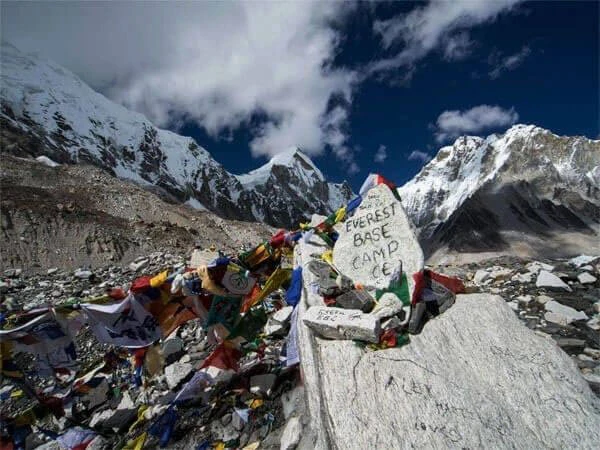
Greetings on the Trek: Namaste in Nepal's Mountains
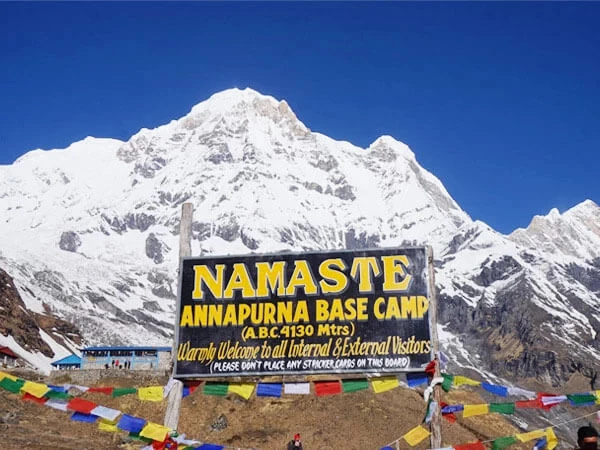
If you're planning to trek in Nepal, using Namaste properly will genuinely enrich every trail interaction you have.
In the Everest Region among Sherpa communities, "Tashi Delek" (meaning blessings and good luck) is the traditional greeting, though Namaste works everywhere without exception.
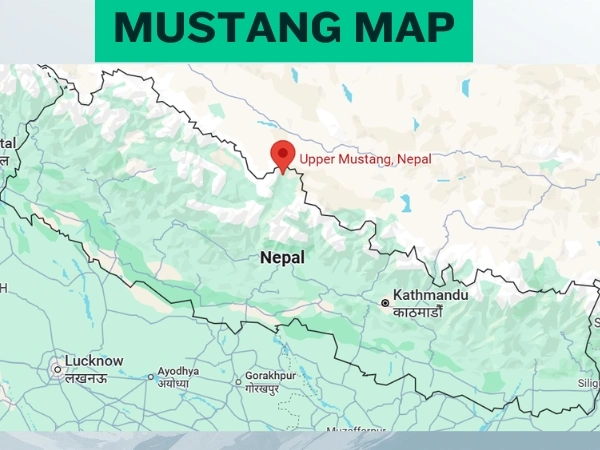
In Langtang and Manaslu Region, both Tashi Delek and Namaste land well. In Mustang and Dolpo where Tibetan influence runs deep, Tashi Delek or "Kuzu Zangpo La" are warmly received.
When genuinely unsure? A warm smile paired with a sincere Namaste works everywhere in Nepal. Every time. Without exception. Learning even a single local greeting demonstrates that you came to engage, not just to pass through.
Final Thoughts: Why Namaste Still Matters
So why has a greeting from ancient Sanskrit texts traveled to yoga studios in California, diplomatic meetings in Paris, wellness feeds on Instagram, and mountain trails in the Himalayas?
Honestly, because the core idea translates universally. The acknowledgment that every person carries something worth honoring, that respect isn't just courtesy but a genuine recognition of shared humanity, that's not exclusively Hindu or Nepali. It's human.
Namaste has survived four millennia because the world keeps rediscovering that this is actually the right way to approach other people. With humility. With warmth. With the simple recognition that whoever is standing in front of you deserves to be seen.
That's what Namaste means. And that's why it matters.
Namaste or Namestay FAQs
What does Namaste mean literally?
Literally, Namaste means "I bow to you." It combines the Sanskrit "Namah" (bow or reverence) and "Te" (to you). The deeper spiritual interpretation is "the divine within me honors the divine within you."
What does Namaste mean in Nepali?
In Nepali (नमस्ते), Namaste means "I bow to you" or "I salute you." It's the standard everyday greeting across Nepal, used for hellos, goodbyes, and every respectful acknowledgment in between.
Is Namaste Indian for hello?
Namaste functions as a greeting in both India and Nepal, but calling it simply "Indian for hello" misses the depth entirely. It originated in Sanskrit, predating modern national boundaries, and carries cultural and spiritual significance across South Asia that goes well beyond a casual hello.
Why do Hindus say Namaste?
Hindus use Namaste as one of the 16 Upacharas in formal worship, as a daily greeting that acknowledges the divine essence in others, and as a gesture of humility before elders, teachers, and deities. It reflects the Hindu philosophical belief that every person carries Atman, the universal divine Self, within them.
What is the difference between Namaste and Namaskar?
Both mean "I bow to you" and use the Añjali Mudrā gesture. Namaste is more versatile and used in everyday social interactions. Namaskar carries slightly more formal and ritualistic weight, more commonly appearing in religious ceremonies and yogic practices.
Is Namaste religious or cultural?
Both. Namaste has clear roots in Hinduism, Buddhism, and Jainism. But it also functions as a secular cultural greeting used across South Asia regardless of personal religious belief. Many people use it daily with no conscious religious intent. It's a greeting, a cultural practice, and a spiritual acknowledgment, depending on who's using it and why.
Should tourists say Namaste in Nepal?
Yes, absolutely. Locals genuinely appreciate visitors who use it properly with a sincere gesture and genuine respect. It signals cultural engagement and respect. Just learn the right pronunciation and offer it with real intention rather than as a performance.