For years, the ancient walled city of Lo Manthang, the turquoise eye of Shey Phoksundo Lake, and the sacred valleys of Dolpa existed as places solo travellers could only dream about from a distance quite literally, because Nepal's law wouldn't let them in alone.
That just changed from now on, March 2026. Big Breaking news for solo travellers to trek in Nepal's restricted regions.
Nepal Opens Restricted Trekking Areas to Solo Travellers starting from 2026
Solo foreign trekkers can now obtain permits for Nepal’s 15 restricted border zones, the Department of Immigration (DoI) announced on 22 March 2026.
The department-level decision ends a decades-old requirement that trekking permits in these sensitive areas be issued only to groups of at least two foreign nationals. It follows sustained lobbying by the Trekking Agencies’ Association of Nepal (TAAN) and other tourism stakeholders, who argued the old rule created unnecessary inconvenience, discouraged independent travellers and was harming Nepal’s tourism promotion.
What has changed and what remains mandatory? (Key Updates as of 2026)
- Date of change: 23 March 2026
- Authority: Nepal Department of Immigration
- Number of zones now open to solo trekkers: 15
- Districts affected: 13 (all bordering China)
- Guide still required: Yes, licensed guide from a registered agency
- Group requirement: Abolished for solo permit applications
- Max guide-to-trekker ratio: 1:7
- Advance application now possible: Yes, using visa submission ID
- Recommended insurance: Full cover for high-altitude trekking and helicopter evacuation
The permit system has also been digitised. Foreigners no longer need a stamped Nepal visa number at the time of application. Those planning from abroad can now use their visa Application Submission ID to submit documents and pay fees in advance.
A dedicated helpline (+977-9761423636) has been launched for technical support.
The 15 restricted zones now accessible to solo trekkers
The policy covers 15 designated areas across 13 mountain districts along Nepal’s border with China. Under the new rules, solo travellers can now apply to access all of them:
| Region | District | Why It's Special |
|---|---|---|
| Upper Mustang | Mustang | Ancient Kingdom of Lo; arid trans-Himalayan desert; Lo Manthang walled city |
| Upper Dolpa | Dolpa | Remote Bon Buddhist culture; Shey Phoksundo Lake; one of the world's great wilderness treks |
| Lower Dolpa | Dolpa | Dense forest valleys; crystal mountain rivers; pristine Himalayan villages |
| Manaslu Circuit (Restricted Zone) | Gorkha | World's eighth-highest peak; Tibetan-influenced culture; dramatic high passes |
| Tsum Valley | Gorkha | Hidden sacred valley; ancient gompas; one of Asia's most intact Buddhist communities |
| Nar Phu Valley | Manang | Near-vertical valleys; fortress villages; raw, unspoiled Himalayan wilderness |
| Kanchenjunga Area | Taplejung | One of the world's least-visited high-altitude regions; rare wildlife corridor |
| Olangchung Gola / Nele | Sankhuwasabha | Remote northeast Nepal; traditional Sherpa heartland |
| Hongu Basin | Solukhumbu | Technical alpine terrain; rarely-trekked valleys south of Everest |
| Rolwaling Valley | Dolakha | Sacred Sherpa valley; challenging high passes; gateway to Gauri Shankar |
| Langtang (Upper) | Rasuwa | Tibetan border zone; yak pastures; recovering from the 2015 earthquake |
| Mugu | Mugu | Karnali heartland; Rara Lake region; virtually untouched by tourism |
| Humla (Limi Valley) | Humla | Three-monastery valley on the Tibetan plateau; Nepal's most remote trekking district |
| Bajhang | Bajhang | High Himalayan passes into far western Nepal; ancient salt trade routes |
| Darchula / Api Nampa | Darchula | Api and Nampa peaks; rich culture; Nepal's far western frontier |
These regions share one defining characteristic: they exist outside the reach of mass tourism. Many have fewer than a few hundred foreign visitors per year. Some have far fewer than that.
These are the same high-altitude, culturally protected regions that have long required special Restricted Area Permits (RAP). Tsum Valley, for instance, was opened to organised trekking only in 2008. Upper Dolpa’s ancient monasteries and Phoksundo Lake are currently on a path toward UNESCO World Heritage recognition.
What Exactly Changed in Nepal Restricted Region Rules And Why It Matters
Until this week, Nepal's restricted areas operated under a firm rule: permits were issued only to groups (2 or more people). A solo traveller wanting to walk the wind-scoured plateaus of Upper Mustang or follow the footsteps of Peter Matthiessen into Dolpa had exactly one legal option, find a trekking partner or stay home.
That old rule of nepal government for restricted region are trekking is now gone.
The Department of Immigration issued a public notice on Sunday, 23 March 2026, confirming that individual foreign nationals can now apply for Restricted Area Permits (RAPs) independently, provided they meet two non-negotiable conditions: their application must go through a registered trekking agency, and they must be accompanied on the trail by a licensed Nepali guide at all times.
The decision came after sustained pressure from the Trekking Agencies' Association of Nepal (TAAN) and other tourism industry bodies, who argued that the group-only requirement was strangling demand, turning away independent travellers, and ultimately damaging Nepal's economy. According to the Department's spokesperson, Tikaram Dhakal, the reform is designed to "promote tourism in Nepal, create domestic employment opportunities, and enhance the personal safety of trekkers."
Why did the change happen suddenly?
The original restrictions dated back to security concerns during the Khampa insurgency era (1960s–1970s), when Tibetan resistance fighters operated along the northern border. That context was relevant then; today it is considered outdated.
Was this change a sudden one? No, TAAN first formally proposed the reform on 19 November 2025, led by General Secretary Sonam Gyalzen Sherpa and President Sagar Pandey. The association also highlighted outdated permit-fee structures (many treks have shortened due to new road access) and successfully pushed for a Cabinet amendment to Schedule 12 of the Immigration Regulations 2051, reducing Upper Mustang to USD 50 per day (previously a flat USD 500 for 10 days). Similar fee fairness discussions continue for other zones.
The timing coincides with broader economic pressures. Regional tensions have disrupted Gulf air routes, leading to early estimates of 35,000-45,000 fewer higher-value visitors this season and significant impacts on jobs and revenue across the tourism value chain.
How to apply: Step-by-step for independent travellers for restricted area
- Step 1: Choose your restricted area and route Research the zone you want to visit. Consider altitude, season, duration, and your trekking experience level.
-
Step 2: Select a registered trekking agency Your agency must be registered with the Government of Nepal. Check registration at Nepal Tourism Board's official database. Your agency handles all permit applications on your behalf.
-
Step 3: Apply for your Nepali visa Once you receive your visa application submission ID, you can use this to begin the permit process from your home country without waiting for the visa stamp itself.
-
Step 4: Permit application through your agency Your agency submits the Restricted Area Permit application to the Department of Immigration through the online platform. Processing typically takes 24–48 hours with a properly registered agency.
-
Step 5: Secure additional permits Depending on your route, you will also need a National Park or Conservation Area permit. Your agency handles these simultaneously.
-
Step 6: Carry everything in physical and digital form You will pass multiple checkpoints. Keep physical copies of all permits, your passport, visa, and guide licence details. Keep digital copies backed up in the cloud.
-
Step 7: For technical difficulties with the online system Contact the Department of Immigration helpline: +977-9761423636
What "Solo Trekking" Actually Means Under the New Rules
It is important to be clear about what this reform does and does not mean, because the word "solo" is doing a specific job here.
You can now apply as an individual. You no longer need to find a second person to share your permit application.
You still cannot walk these trails without a guide. A licensed Nepali trekking guide remains a legal requirement. You will not be alone on the mountain.
You must book through a registered agency. The agency takes on full legal responsibility for your emergency rescue and logistical safety while you are in the restricted zone.
Think of the new rule this way: Nepal has separated the question of how many people apply from the question of how many people are on the trail. Previously, the answer to both had to be "more than one foreigner." Now, only the second part requires company and that company is a professional guide who, frankly, could save your life.
The Department has also introduced a maximum guide-to-trekker ratio of 1:7 for group treks, meaning a single guide can now lead no more than seven trekkers. Previously, large groups with a single guide were creating safety risks in terrain that offers no margin for error.
Most Searched Restricted Regions
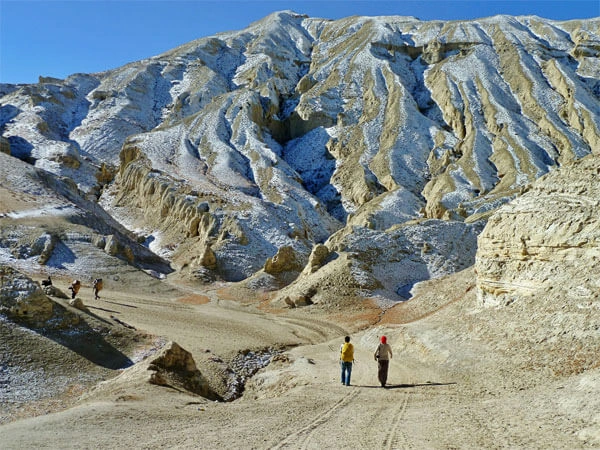
- Upper Mustang: Often referred to as the "Forbidden Kingdom," offering barren landscapes and ancient Tibetan culture.
- Manaslu Circuit & Tsum Valley: Known for trekking around the 8th highest peak and exploring sacred Buddhist regions.
- Upper/Lower Dolpo: Remote, arid landscapes featuring Shey Gompa and pristine Tibetan culture.
- Nar Phu Valley: Hidden, high-altitude villages and, dramatic mountain passes.
- Kanchenjunga Region: Known for raw nature, high-altitude trekking, and cultural diversity in the east.
- Other Restricted Zones: Include Mugu (Rara Lake area), Limi Valley in Humla, and parts of Bajhang
The Permit Costs: What Solo Travellers Should Budget
Restricted area permits are among the most expensive in the trekking world, deliberately so. High fees are a primary tool for keeping visitor numbers manageable and ensuring that the revenue generated is proportionate to the environmental and cultural cost.
Here are the current permit fees for the most popular restricted zones:
Upper Mustang
- USD 500 for the first 10 days
- USD 50 per additional day
- Additional permits required: Annapurna Conservation Area Permit (ACAP)
Upper Dolpa
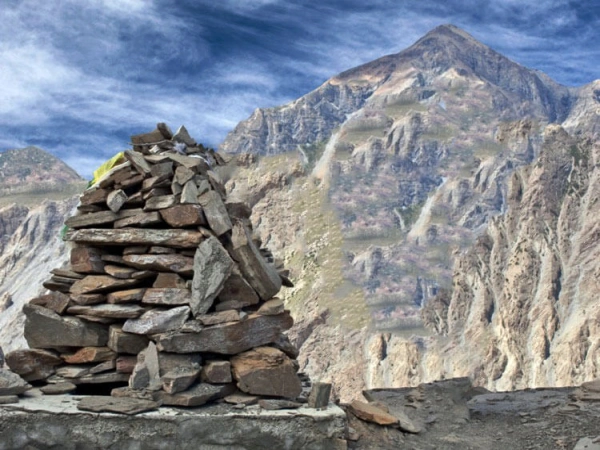
- USD 500 for the first 10 days
- USD 50 per additional day
- Additional permits required: Shey Phoksundo National Park entry
Manaslu Restricted Zone
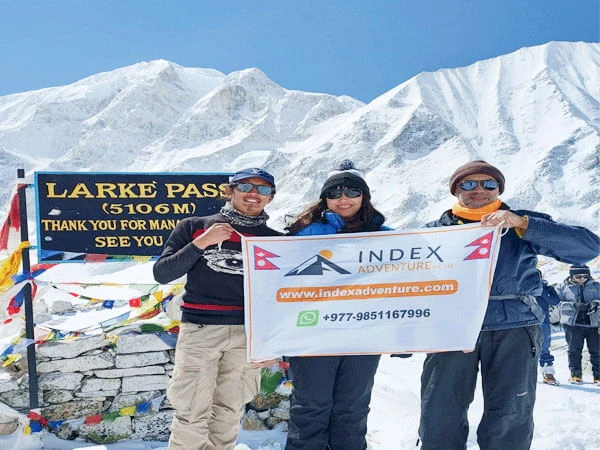
- USD 100 per person (September - November, peak season)
- USD 75 per person (December - August)
- USD 50 per person (off-season)
- Additional permits required: Manaslu Conservation Area Permit (MCAP)
Tsum Valley
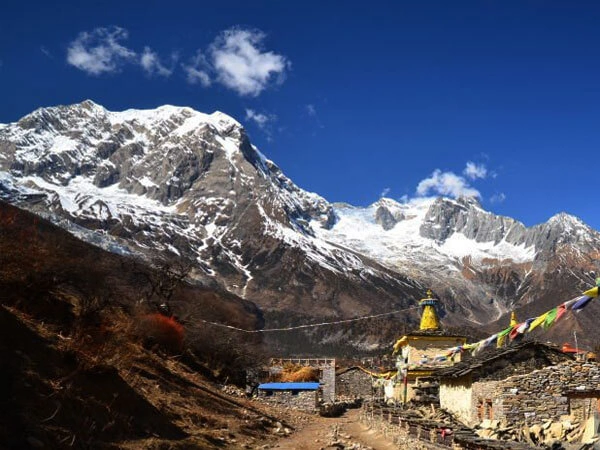
- USD 40 per week (peak season)
- USD 30 per week (off-season)
Nar Phu Valley
- Included under Annapurna Conservation Area permits with additional restricted zone fees , confirm current rates with your registered agency
Mountaineering exemption: Climbers holding a separate peak permit who pass through restricted zones do not pay additional trekking fees.
These fees are in addition to the standard costs of hiring a licensed guide, trekking agency fees, and any accommodation and transport. Solo trekking in Nepal's restricted areas is not a budget undertaking. It is, however, now a legally possible one.
Why Were These Areas Restricted in the First Place?
Understanding the history makes the significance of this change clearer.
Before 1991, entire swaths of Nepal's northern border territories were completely closed to foreign nationals. When they opened, the government applied a compromise: access was permitted, but only in controlled conditions. The restricted area system emerged from three overlapping concerns that remain relevant today.
Border security. These 15 zones all border Tibet, which is administered by China. Nepal maintains careful diplomatic relations with Beijing, and remote border territories, many with minimal infrastructure and sparse population, require monitoring. A group permit system made foreign movements easier to track.
Cultural preservation. Upper Mustang, Dolpa, Tsum Valley, and Humla are home to some of the most intact Tibetan Buddhist cultures anywhere in the world ,including Tibet itself, where decades of political upheaval eroded much of the old way of life. The restricted permit system, combined with significant fees, kept visitor numbers low enough to prevent the cultural erosion that has affected more accessible areas.
Environmental protection. Many of these zones sit within or adjacent to national parks and conservation areas, Shey Phoksundo National Park in Dolpa, the Annapurna Conservation Area in Mustang, and the Manaslu Conservation Area in Gorkha. The ecosystems are fragile, and unregulated visitor numbers can cause damage that takes decades to reverse.
None of these concerns have disappeared. The new policy addresses them not by relaxing oversight, but by shifting its form — replacing group-number requirements with mandatory guides and registered agency accountability.
FAQs About Restricted Trekking Areas in Nepal
Is solo trekking banned in Nepal?
No. Solo travellers are now allowed in all restricted areas with a licensed guide and registered agency.
Restricted region of Nepal, is it possible to visit?
Yes. With the 2026 update, solo foreign trekkers can visit all 15 restricted zones under the new permit rules.
Can I trek completely alone without any support?
No. A licensed guide and registered agency remain mandatory for safety and regulatory reasons.
Which is the most famous restricted area?
Upper Mustang, widely known as the Forbidden Kingdom.
Do I still need to join a group?
No. You can trek privately with just your guide (maximum seven trekkers per guide).
Recent Searches of Nepal Restricted regions
Solo Travelers Can Now Explore Restricted Areas in Nepal
Trekking Alone? Nepal's New Policy Makes it Possible for All
Nepal Restricted Area Permit Update 2026 Explained
Nepal to allow solo trekkers to visit restricted mountain areas
Nepal Allows Solo Restricted Area Permits with Guide
Nepal Eases Strict Rules for Solo Foreign Trekkers in Restricted regions
New Rules for Restricted Area Trekking Permits in Nepal 2026: Solo Permits Now Allowed
Nepal Trekking Rules 2026: Solo Trek Permits Now Allowed
Rules for solo trekkers in restricted areas eased
Nepal Allows Solo Trekkers to Get Permit for Restricted Areas
Immigration eases rules for solo trekkers in restricted areas
Where can I check the latest rules?
Contact the Department of Immigration or a registered trekking agency for the most up-to-date information.
This March 2026 policy change is a welcome and balanced step. Nepal has removed an outdated barrier while keeping the protections that matter most safety, cultural respect, and local benefits.
If you have been dreaming of trekking Upper Mustang, Dolpa, Manaslu Circuit, Tsum Valley, or other hidden Himalayan gems as a solo traveller, the opportunity is now more open than ever.
Start planning with a trusted registered agency and always confirm the latest fees and procedures directly with the Department of Immigration.
This article is based on the official DoI public notice of 22 March 2026 and verified reporting from The Kathmandu Post, The Himalayan Times, Xinhua, Economic Times, and other authoritative Nepali and international sources published up to 24 March 2026. All fees, procedures and conditions should be confirmed with the Department of Immigration (+977-9761423636) or Index Adventure trekking agency before travel.