Forty-three people died on the Annapurna Circuit in a single day. That was October 14, 2014, and Nepal hasn't seen a trekking disaster like it since. Outside that catastrophe, the Circuit records roughly 5 to 21 deaths per year depending on which zone you're measuring. For a route that 20,000-plus trekkers walk every season, the overall fatality rate sits below 1%. But below 1% still means real people die here every year, and in most cases, from causes that were preventable.
This guide breaks down every number, every cause, and everything the data actually tells you about risk on one of the world's most famous treks.
Annapurna Circuit Death Statistics
|
Statistic
|
Figure
|
Source
|
|
Deadliest single event
|
43 deaths, Oct 14, 2014
|
Nepal Govt / ACAP
|
|
Annual Circuit deaths (FY 2023-24)
|
5
|
ACAP Chief Dhak Bahadur Bhujel
|
|
Full Annapurna Conservation Area AMS deaths (FY 2023-24)
|
21
|
Himalayan Times / ACAP
|
|
Overall trekker mortality rate
|
Below 1%
|
ACAP
|
|
Global hazard ranking
|
10th most dangerous trek
|
RSS Nepal
|
|
Annapurna I summit deaths (as of Feb 2025)
|
75 from 559 ascents (13.42%)
|
Guinness World Records
|
|
Helicopter evacuations in Nepal (2024)
|
500+
|
Shikhar Adventure / ACAP
|
How Many People Have Died on the Annapurna Circuit?
There's no single official cumulative death count for the Annapurna Circuit. Nepal's ACAP only started systematically archiving trekking fatalities recently. What we do know: the single biggest event killed 43 people in one day. Annual documented deaths on the Circuit route itself run between 5 and 10 in recent years. Expand the count to the entire Annapurna Conservation Area, which includes Muktinath and the upper Mustang zone, and the figure rises to 21 or more deaths per year from altitude sickness alone.
So the honest answer is: no one knows the full historical total. But the annual rate is low by any reasonable measure, and the 2014 disaster remains a major outlier that skews how people perceive the actual risk.
Annapurna Death Toll 2019
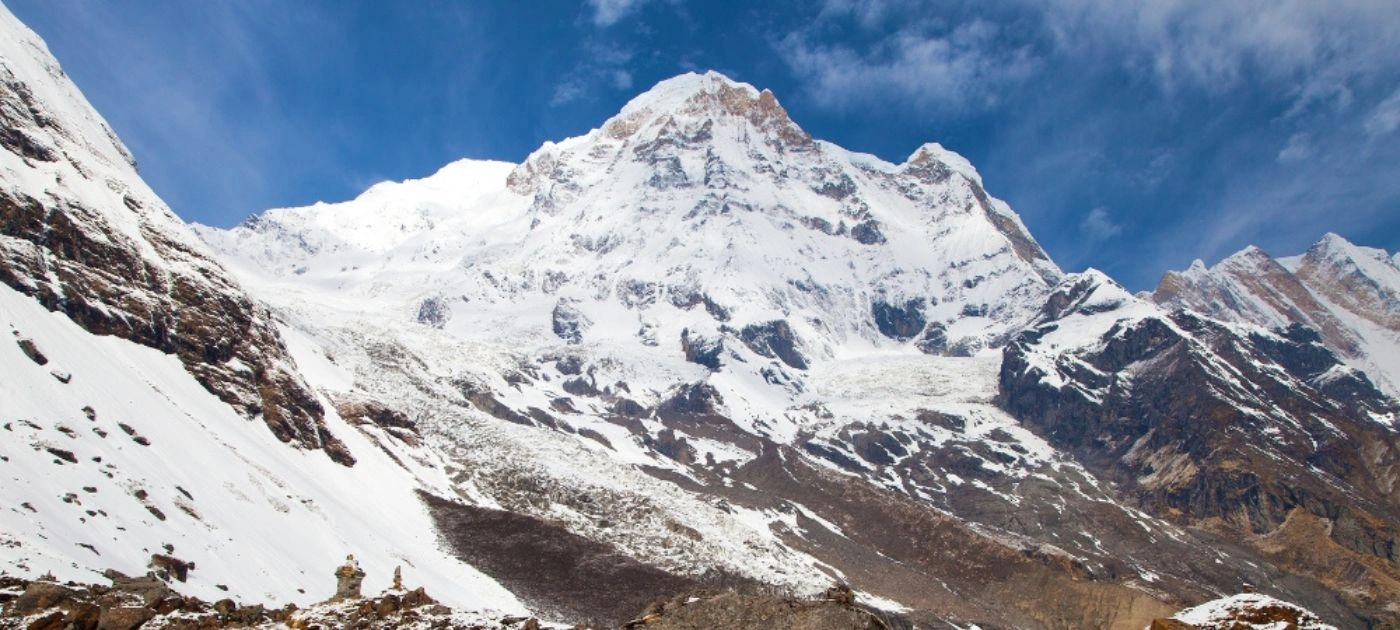
The 2019 death toll for the Annapurna Circuit trek was two, while the climbing death toll on Annapurna I (the 8,091-meter peak) was also a minimal figure (though widely publicized incidents, including the tragic loss of the Malaysian climber Wui Kin Chin, made headlines).
If you are looking for the massive 43-fatality disaster that frequently dominates Annapurna headlines, that catastrophic blizzard and avalanche event actually occurred on October 14, 2014.
Annapurna Fatality Statistics
To better understand the risks and statistics, it is helpful to look at the differences between the mountain and the popular trekking circuit:Annapurna I (Mountaineering): Historically known as the deadliest of the eight-thousanders, climbing the peak has a historical fatality rate of around 13% to 32% depending on the decade. However, the overall survival rate has significantly improved to over 86% as forecasting, gear, and rescue capabilities have evolved.
Annapurna Circuit (Trekking): This world-renowned hiking trail is significantly safer, with a fatality rate well under 1%. However, the broader Annapurna Conservation Area (ACAP) still experiences 5 to 21 deaths annually, primarily caused by altitude sickness (Acute Mountain Sickness).
How many bodies are on Annapurna?
There are an estimated 75 recorded bodies or fatalities on Mount Annapurna I since climbing records began. Historically, it is one of the world's most dangerous eight-thousanders, with about 1 in 3 climbers dying in the early decades. However, the modern fatality rate is about 13% as forecasting and rescue technology have improved.
While there is no exact census, it is estimated that dozens of bodies remain on Annapurna I, as about 75 climbers have died on the mountain. Because of extreme terrain, avalanches, and the "Death Zone" environment, many fallen climbers cannot be recovered and are left on the slopes.
The official historical and fatality statistics for Annapurna I (8,091m) reveal its harsh reality:
- Total Deaths: Approximately 75 climbing-related fatalities have been recorded.
- Total Summits: About 570 summits have been recorded, giving it one of the highest historically documented fatality rates among 8,000-meter peaks.
- Recovery: For safety reasons and physical limitations, recovery operations are incredibly difficult in the higher altitudes, leaving many lost climbers resting on the mountain.
Note: These statistics apply specifically to mountaineering expeditions on Annapurna I, not to the thousands of trekkers who safely hike the lower-altitude Annapurna Circuit each year.
The 2014 Annapurna Blizzard: The Deadliest Day on the Circuit
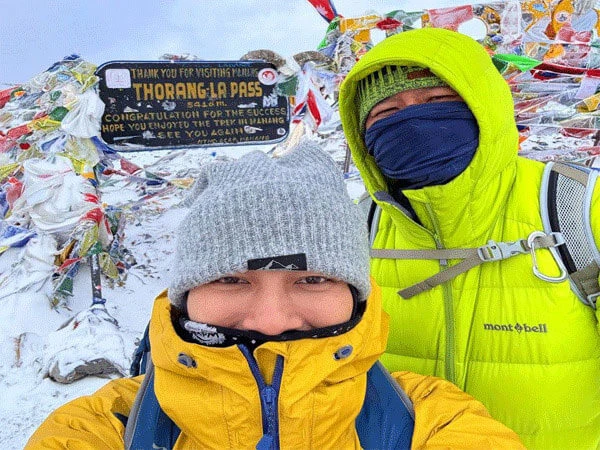
On October 14, 2014, Cyclone Hudhud, which had originated off Thailand's coast, tracked north and collided with an early-season Himalayan storm. What hit Thorong La Pass at 5,416 meters wasn't a normal snowfall. It was a near-total whiteout that dropped meters of snow in hours.
More than 200 trekkers were on the pass when it struck. Most had no warning. Many had no guide. Quite a few were in light gear built for the standard October weather, not a cyclone. Forty-three people didn't make it home. Another 175 were injured, with some losing fingers and toes to frostbite. The dead included trekkers from Nepal, Canada, Poland, Israel, Slovenia, India, and Vietnam, plus three Nepali yak herders.
The rescue operation that followed became the largest helicopter evacuation the Himalayas had ever seen. Nepal's government faced serious criticism afterward for the absence of early warning systems and its failure to enforce guide requirements. Safety reforms followed, including trekker registration checkpoints, weather alerts at passes, and mandatory guide registration in restricted zones. But the mountain didn't change. The same conditions that made October 14 catastrophic still exist on every October crossing.
Annapurna Circuit Death Rate: What the Annual Numbers Show
In FY 2023-24, five people died on the Annapurna Circuit specifically. A 69-year-old American fell from a cliff near Khotro in Manang. A 35-year-old Indian tourist died from altitude sickness in Manang district. A British national was found dead in a lodge room in a remote village. A Nepali porter died from AMS near Chulubes Camp in Manang. The fifth death wasn't fully disclosed publicly.
Zoom out to the full Annapurna Conservation Area, and the count reaches 21 altitude sickness deaths in that same year, 11 of them Indian nationals, with most incidents clustered around the Muktinath area in Mustang. That concentration tells a clear story. Trekkers arriving from lower-altitude South Asian regions frequently underestimate how fast AMS escalates above 4,000 meters when you ascend too quickly without rest days.
For context, tens of thousands of trekkers complete the Circuit every season. The sub-1% mortality rate is real. But it rests entirely on the assumption that trekkers prepare properly, which many don't.
Why Do People Die on the Annapurna Circuit Trek?
Common Causes of Death on the Annapurna Circuit:
|
Cause
|
Risk Level
|
Who's Most Vulnerable
|
|
Acute Mountain Sickness (AMS)
|
High
|
Fast ascenders, solo trekkers, unguided groups
|
|
HAPE (fluid in lungs)
|
Very High
|
Anyone at altitude without acclimatization
|
|
HACE (fluid in brain)
|
Very High
|
Anyone pushing through AMS symptoms
|
|
Avalanche
|
Moderate-High (seasonal)
|
October, November, March trekkers
|
|
Falls / cliff exposure
|
Moderate
|
Sections near Manang, Thorong La approach
|
|
Hypothermia / storm exposure
|
Moderate
|
Shoulder season, Thorong La crossing
|
|
Landslide
|
Low-Moderate
|
Lower gorge sections, monsoon fringe
|
Altitude sickness during the Annapurna Circuit is the number one killer, and it's almost entirely preventable. HAPE and HACE are both life-threatening conditions that can develop within hours at elevation. The critical variable isn't your fitness level. It's your ascent speed and whether you act on early symptoms or push through them. Most deaths from AMS on the Circuit involve someone who felt rough at 3,500 meters, didn't descend, and deteriorated by the time they hit 4,000 or above.
The 2014 disaster established avalanche and storm exposure as the second major risk, but that event was extraordinary. In normal seasons, avalanche risk concentrates in specific windows, mostly October to November and March, and on specific trail sections above Manang and near Thorong La.
Falls account for a smaller but consistent share of fatalities. Several trail sections above the Marsyangdi valley have steep cliff drops with minimal protective infrastructure. The American who died in FY 2023-24 fell from exactly this type of exposure section.
Why is Annapurna called a silent killer?
Annapurna earns its chilling nickname due to its historically high fatality rate and its tendency to unleash sudden, unpredictable avalanches without warning.
- Statistically Lethal: Historically, the fatality-to-summit ratio has hovered between 27% and 30%, making it one of the most lethal of the 8,000-meter peaks. For decades, it held the highest death rate of all principal "eight-thousanders," meaning historically one in three climbers did not return alive.
- Unpredictable Avalanches: The mountain is renowned for spontaneous and massive avalanches. Because of inherently unstable slopes, massive seracs and ice walls collapse without warning.
- Sudden Weather Shifts: The mountain's climate is notorious for high-velocity winds and blinding snowstorms that can strike in any season, severely trapping mountaineers and trekkers alike.
- Commitment and Isolation: The climbing routes (such as the 3,000-meter South Face) are incredibly steep, deeply secluded, and leave very little room for error.
What is the death rate of the Annapurna Circuit?
The overall death rate for the Annapurna Circuit is less than 1%. Each year, more than 20,000 trekkers safely complete the route. Fatalities do happen, but they are typically rare and usually caused by acute altitude sickness, sudden extreme weather, or accidents on the trail.
Annapurna Circuit vs. Annapurna IMany people confuse the Annapurna Circuit (a trekking route that takes 11–22 days to walk around the massif) with Annapurna I (the 8,091-meter mountain peak).
Annapurna Circuit (Trek): Fatality rate is < 1%.Annapurna I (Climb): Fatality-to-summit ratio is historically between 13% and 32%. It is statistically one of the deadliest mountaineering peaks in t
Why Is Thorong La Pass Called a Silent Killer?
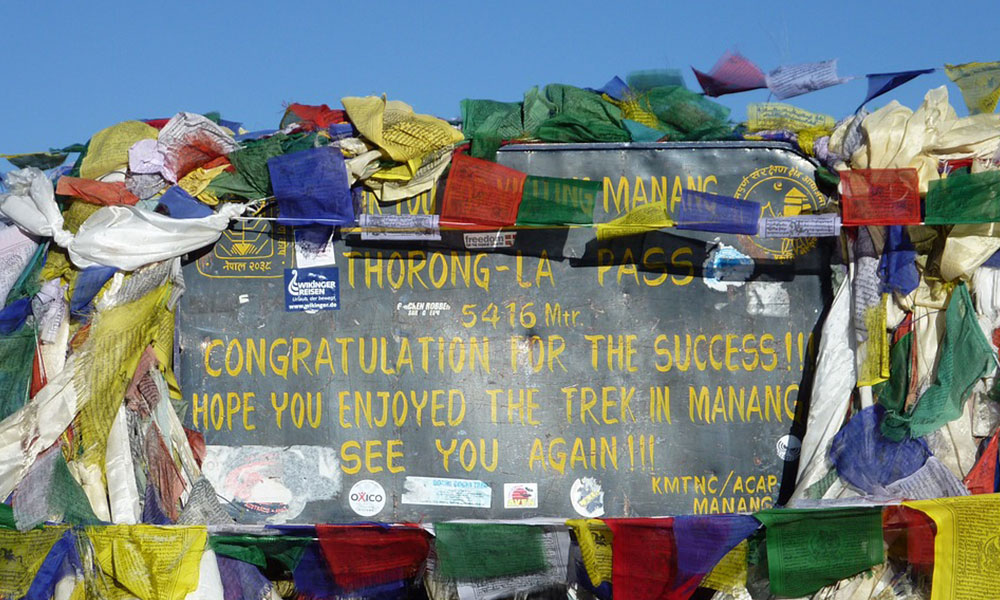
The highest point during Annapurna Circuit Thorong La Pass sits at 5,416 meters, and it earns the "silent killer" label for a specific reason. The danger doesn't announce itself. Trekkers cross the pass on clear mornings when conditions look perfect, then find themselves caught by afternoon storms, deteriorating oxygen levels, and exhaustion they didn't account for. AMS symptoms that felt manageable at Manang can turn serious on the long climb to the pass, and many trekkers don't recognize the progression until it's too late to descend safely.
In January 2023, a 45-year-old Korean solo trekker was found dead near Thorong La Pass. She had been trekking without a guide and, by all accounts, pushed through early warning signs rather than stopping and descending. The pass demands respect that its popular reputation doesn't always communicate.
Annapurna Circuit vs Everest Base Camp: Which Trek Is More Dangerous?
We'd argue the Annapurna Circuit carries higher objective risk than Everest Base Camp, and the data supports that.
|
Factor
|
Annapurna Circuit
|
Everest Base Camp
|
|
Maximum trail elevation
|
5,416m (Thorong La)
|
5,364m (Base Camp)
|
|
Guide requirement
|
Not mandatory (most sections)
|
Not mandatory
|
|
Weather predictability
|
Lower (cyclone-affected)
|
Moderate
|
|
Trail exposure
|
Higher (cliff sections, passes)
|
Lower (valley-following route)
|
|
Annual deaths (conservation area)
|
21 AMS deaths (2023-24)
|
Lower per comparable visitor count
|
|
Emergency infrastructure
|
Moderate (HRA posts in Manang)
|
Strong (Lukla hospital, Pheriche AMS clinic)
|
|
Helicopter evacuation cost
|
$10,000-$20,000
|
Similar range
|
The Everest Base Camp route has better emergency medical infrastructure at high elevations, notably the Himalayan Rescue Association posts and the Pheriche clinic. The Annapurna Circuit has HRA facilities in Manang, but coverage thins out past that point. For solo trekkers and beginners, that gap matters.
Annapurna Circuit vs Manaslu Circuit: Which Is Safer?
The Manaslu Circuit is generally considered more dangerous than the Annapurna Circuit for two reasons. First, Larkya La Pass reaches 5,160 meters across more remote terrain with fewer evacuation options. Second, the lower gorge sections between Soti Khola and Jagat carry significant landslide risk on narrow cliff ledges above the Buri Gandaki river. In 2024, multiple sections of the Manaslu approach required rerouting from landslide damage.
The Annapurna Circuit has better teahouse infrastructure, more established rescue coordination, and a more predictable trail profile outside of Thorong La. By raw incident data, the Annapurna Circuit is safer than the Manaslu Circuit, though both demand the same fundamental preparation.
Is the Annapurna Circuit Safe for Beginners?
Honestly, it depends on what "beginner" means.
If you've never trekked at altitude before but you're physically fit, willing to follow a proper acclimatization schedule, and planning to hire a licensed guide, the Annapurna Circuit for beginners is manageable. Tens of thousands of first-time high-altitude trekkers complete it every year without incident.
If "beginner" means you've booked a 12-day itinerary to save time, you're planning to go solo without prior high-altitude experience, or you're treating it like a hill walk with good views, that's where the risk becomes real. The circuit isn't technically difficult on most sections. But Thorong La at 5,416 meters doesn't care about your fitness level if you haven't given your body time to adjust.
For beginners specifically:
- Minimum 16-18 day itinerary to allow proper acclimatization
- Mandatory rest days in Manang at 3,519m (at least two)
- Hire a licensed guide from a registered agency
- Carry a pulse oximeter and know what the numbers mean
- Get travel insurance that covers helicopter evacuation above 6,000m
- Know the symptoms of AMS, HAPE, and HACE before you leave Kathmandu
Can Beginners Do Annapurna Circuit Trek Safely?
Yes, with the right structure. The trail itself follows teahouse routes with village accommodation every few hours of walking. You don't need technical climbing skills, ropes, or mountaineering experience. What you need is patience. The mountain punishes speed, not inexperience. Take the time to acclimatize, listen to your body, and don't cross Thorong La if conditions deteriorate. Most deaths involving first-time trekkers trace back to ignoring those three principles, not to the difficulty of the trail itself.
Emergency Rescue on the Annapurna Circuit: What You Need to Know
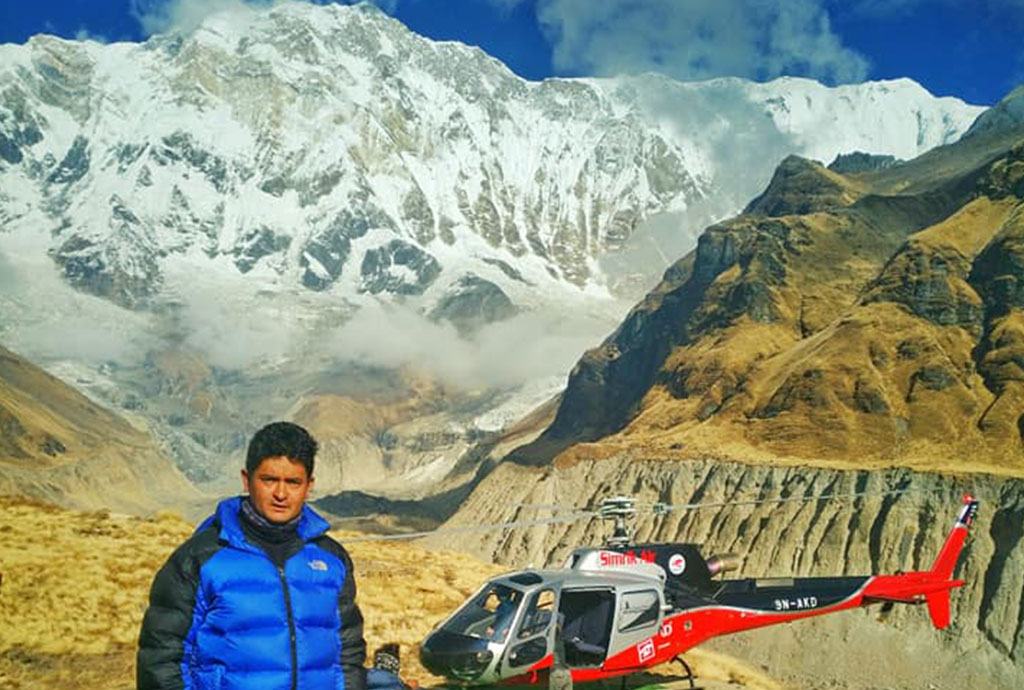
Nepal recorded over 500 helicopter evacuations across trekking routes in 2024. The Annapurna region accounts for a significant share of those. The Himalayan Rescue Association (HRA) operates an altitude sickness clinic in Manang at 3,519m, staffed seasonally by volunteer physicians. This is your last medical checkpoint before Thorong La.
The Manang clinic runs free altitude consultations during peak season and will advise you whether it's safe to continue. A surprising number of trekkers ignore that advice. Don't be that person.
Helicopter dispatch typically requires proof of insurance coverage or upfront payment. Without coverage, you're looking at $10,000 to $20,000 before the helicopter takes off. Insurance policies must cover helicopter evacuation above 6,000m (Thorong La is 5,416m, so check the policy ceiling carefully), and both HAPE and HACE must be listed as covered conditions, not excluded as "altitude-related illness."
How Climate Change Is Affecting Safety on the Annapurna Circuit
This is a newer risk factor that doesn't appear in older safety guides. Changing patterns of weather in the Annapurna circuitregion have made storm timing less predictable than it was even a decade ago. October, historically one of the safest months for crossing Thorong La, now sees more erratic weather events. The 2014 disaster was driven by a cyclone that forecasters didn't anticipate reaching the Himalayas with that intensity.
Warming temperatures have also destabilized snowpack above the pass, increasing avalanche risk in late-season windows. Trail sections that were solid in November five years ago are now less predictable. The Annapurna Conservation Area Project has noted increasing incidents tied to weather unpredictability since 2018, and guides who've worked this route for decades describe conditions as less consistent than they used to be.
The practical implication: stick tighter to the core trekking windows of late September to early November and March to April, check weather alerts at Manang before crossing, and treat any deteriorating forecast as a hard stop, not a delay.
How to Stay Safe on the Annapurna Circuit Trek
Before you leave:
- Get a comprehensive medical checkup, especially cardiovascular health
- Book travel insurance covering helicopter evacuation above 6,000m, HAPE, and HACE
- Register your trek with ACAP and obtain TIMS card and ACAP permits
- Learn to recognize AMS, HAPE, and HACE symptoms, not just altitude headaches
On the trail:
- Follow the "climb high, sleep low" acclimatization principle strictly
- Take two acclimatization days in Manang, including the Gangapurna Lake hike to 3,800m
- Never cross Thorong La with any AMS symptoms present
- Check weather forecasts at the HRA clinic in Manang before your crossing day
- Cross Thorong La early, departing by 4-5am, to avoid afternoon weather
Emergency contacts:
- HRA Manang Clinic: open October to November, March to April
- ACAP emergency line and helicopter dispatch contacts should be saved before you enter the circuit
- Your agency's guide should have satellite communication capability past Manang
Annapurna Circuit vs Annapurna Base Camp: Which Is More Dangerous?
TheAnnapurna Circuit carries more risk than Annapurna Base Camp. The Circuit crosses Thorong La at 5,416m, which is nearly 1,300 meters higher than Annapurna Base Camp's maximum elevation of 4,130m. AMS risk increases significantly above 4,000m, and the Circuit's remote sections past Manang have fewer medical facilities.
Annapurna Base Camp has a lower mortality rate and is genuinely more accessible for first-time high-altitude trekkers. If you're choosing between the two and have no prior altitude experience, Annapurna Base Camp is the smarter starting point.
Is Annapurna Deadlier Than Everest?
For summit climbing, yes. Annapurna I carries a 13.42% fatality rate per summit attempt as of February 2025, compared to around 2.5% for Everest. That makes Annapurna I the deadliest of all 14 eight-thousanders by fatality-to-summit ratio. But this comparison applies purely to mountaineering expeditions, not trekking.
For trekking routes, Everest Base Camp and the Annapurna Circuit are broadly comparable in overall risk. The Annapurna Circuit has slightly less emergency infrastructure at high elevations, and its weather is less predictable. But both are safe for prepared, guided trekkers following proper acclimatization schedules.
The "Annapurna is the world's deadliest mountain" headline is accurate for climbing. It doesn't translate to the Circuit trek.
Is Mount K2 same as Mount Annapurna?
K2 is not the same mountain as Annapurna; they are two entirely separate peaks located in different countries and mountain ranges. K2 is the second-highest mountain in the world, standing at 8,611 meters within the Karakoram range on the border of Pakistan and China. Annapurna is the world's tenth-highest mountain, standing at 8,091 meters and located entirely within the Himalayas in Nepal.
Is It Worth the Risk? The Real Answer
In my view, yes, for the right trekker. The Annapurna Circuit is one of the most rewarding long-distance treks in the world. It crosses six climate zones, passes through ancient Tibetan villages, and delivers views that no other accessible trek in Nepal matches. The sub-1% mortality rate is real and reflects what actually happens when prepared trekkers take it seriously.
The honest risk profile: if you follow a proper itinerary, hire a guide, respect Thorong La's weather, and know the signs of altitude illness, your chances of completing this trek safely are excellent. The danger isn't the mountain. It's the people who treat it like a bucket-list photo stop.
Frequently Asked Questions
How many people have died doing the Annapurna Circuit?
No official cumulative total exists. The single largest event killed 43 people on October 14, 2014. In recent years, the Circuit records 5 to 10 deaths annually, with the full Annapurna Conservation Area recording up to 21 altitude sickness deaths per year.
What is the fatality rate of the Annapurna Circuit trek?
Below 1% for trekkers. The high fatality figures you see in headlines refer to Annapurna I summit climbing, not the Circuit trek.
Why is Annapurna called a silent killer?
Because altitude sickness doesn't always announce itself with dramatic symptoms. Trekkers can feel manageable discomfort at 3,500 meters and deteriorate rapidly above 4,500 meters without recognizing the progression. HAPE and HACE can both become life-threatening within 12 hours if ignored.
Is the Annapurna Circuit safe for solo trekkers?
Higher risk than guided trekking. Solo trekkers without guides have no one to recognize deteriorating symptoms or initiate evacuation. The January 2023 Korean trekker fatality near Thorong La is a documented example of the specific risk solo trekking carries.
Is Annapurna deadlier than Everest?
For summit climbing, yes. Annapurna I has a 13.42% fatality rate vs Everest's roughly 2.5%. For trekking routes, the comparison is closer, with Everest Base Camp having slightly better emergency medical infrastructure.
What is the most dangerous section of the Annapurna Circuit?
Thorong La Pass at 5,416m. Most storm-related and altitude fatalities occur here or in the Manang district leading up to it.
How much does helicopter evacuation cost on the Annapurna Circuit?
$10,000 to $20,000 without insurance. This is why evacuation coverage above 6,000m is non-negotiable before attempting this trek.
Is the Annapurna Circuit safe for beginners?
Yes, with a 16-18 day itinerary, licensed guide, proper acclimatization days in Manang, and travel insurance. Not recommended for beginners on compressed itineraries without guide support.
What time of year is safest on the Annapurna Circuit?
Late September through early November and March through April. Monsoon season (June to August) brings landslide risk in lower sections. Winter crossings of Thorong La are possible but require serious preparation and experience.
How effective are emergency rescue services on the Annapurna Circuit?
The HRA clinic in Manang provides altitude consultations and emergency assessments during peak season. Helicopter evacuation is available across the region but requires insurance or upfront payment. Response times vary by weather conditions, especially above Manang, where cloud cover regularly delays helicopter access.