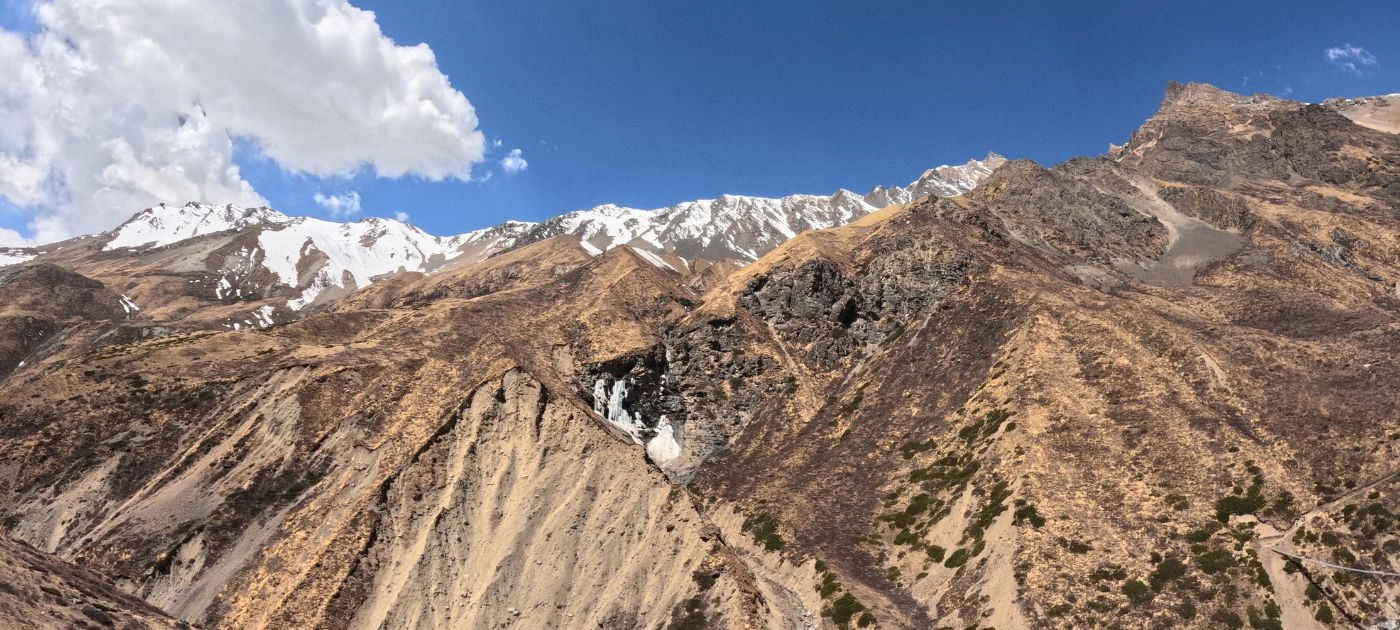
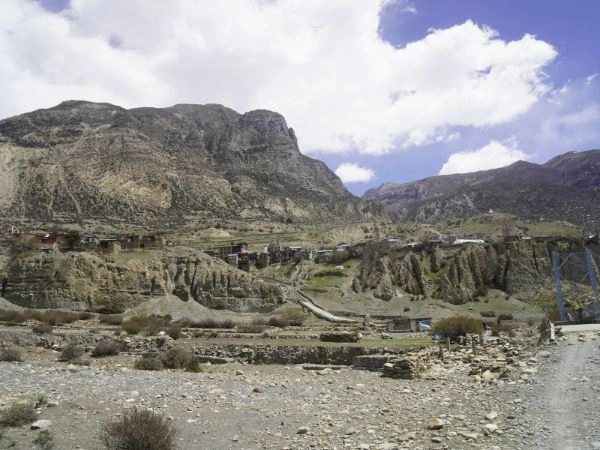
The best places to visit in Annapurna Circuit Trek include Thorong La Pass, Muktinath Temple, Manang Village, Tilicho Lake, Braga Monastery, Kagbeni, Jomsom, Marpha, Tatopani Hot Springs, and Poon Hill. Each stop along this legendary route offers something distinct, whether that's raw mountain scenery, centuries-old spiritual sites, or quiet village life that feels completely untouched by time.
Few trekking routes in the world pack this much variety into a single journey. The Annapurna Circuit covers roughly 160 to 230 kilometers depending on the route, looping around the entire Annapurna massif through terrain that shifts from subtropical river valleys to high-altitude desert. You start surrounded by rice paddies and cascading waterfalls. By the time you reach Thorong La Pass at 5,416 meters, the world below feels like a distant memory.
This guide covers every major attraction worth visiting on the Annapurna Circuit, with honest detail about what makes each stop genuinely worth your time.
What Makes the Annapurna Circuit Stand Out?
The Annapurna Circuit doesn't just show you mountains. It takes you through climatic zones that most people only read about in geography textbooks. One day you're walking through dense rhododendron forests. A few days later, you're crossing a barren, wind-swept plateau that looks more like the Tibetan highlands than anything you'd expect in Nepal. That contrast is what separates this trek from everything else in the region.
Trekkers who have done both the Everest Base Camp Trek and the Annapurna Circuit consistently say the Circuit offers more cultural variety. You pass through Gurung, Thakali, and Tibetan-influenced communities, each with their own food, architecture, and traditions. The landscapes shift so dramatically between stops that even seasoned trekkers find themselves pausing far longer than planned, simply because there's always something worth looking at.
Key Villages and Stops Along the Annapurna Circuit Route
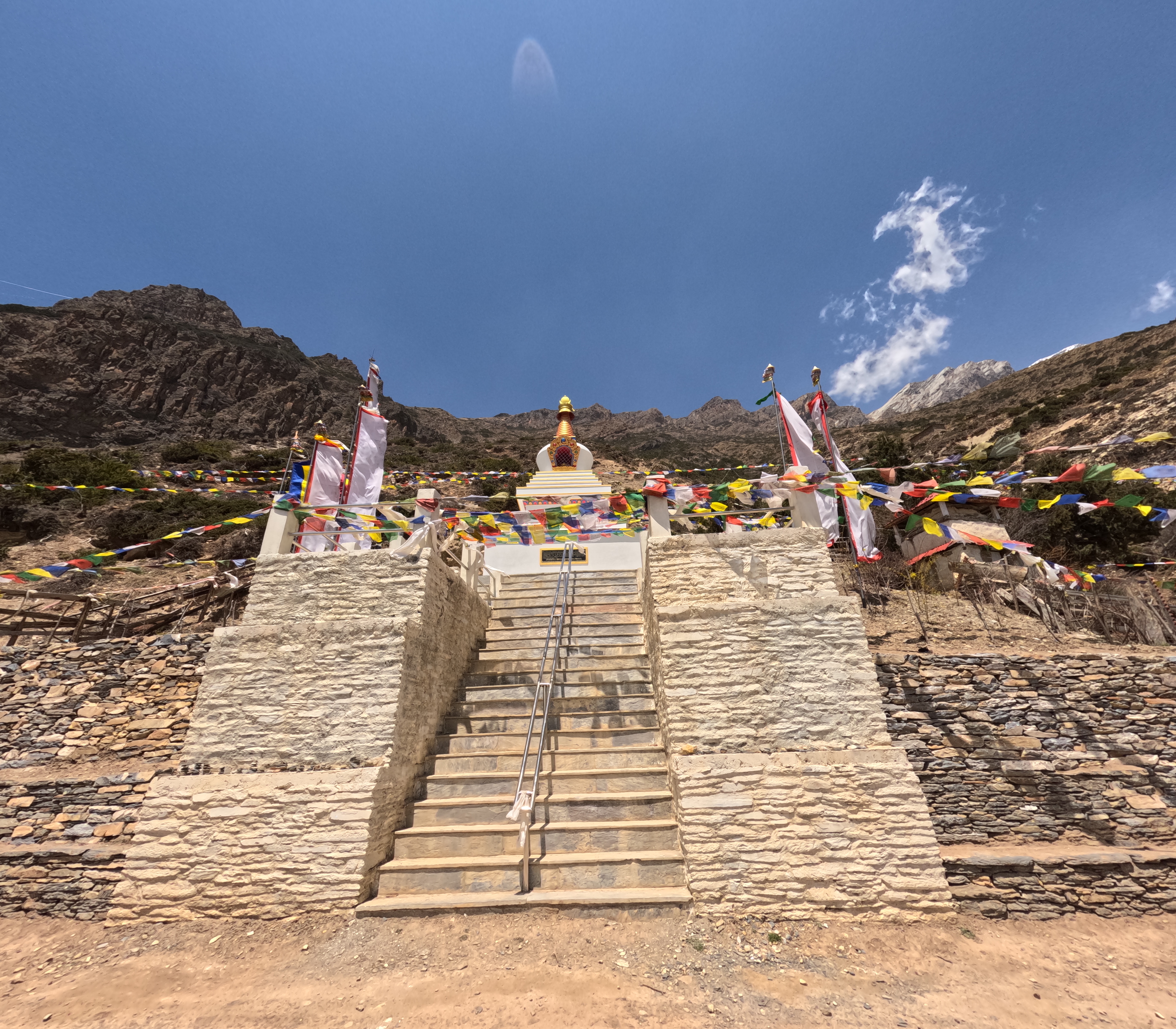
The Annapurna Circuit follows a roughly circular path around the Annapurna massif, beginning and ending near Pokhara. The route moves northeast from Besisahar through the Marsyangdi River valley, climbing through Chame and Pisang into the high Manang plateau before crossing Thorong La Pass at 5,416 meters. From there, it descends southwest through Muktinath, Kagbeni, Jomsom, and Marpha through the Kali Gandaki Valley, eventually reaching Tatopani and Ghorepani before returning toward Pokhara.
The key villages and stops in order of the standard route are Besisahar, Chamje, Dharapani, Chame, Lower and Upper Pisang, Manang, Thorong Phedi, High Camp, Thorong La Pass, Muktinath, Kagbeni, Jomsom, Marpha, Tatopani, Ghorepani, and Poon Hill. Each of these plays a specific role in the journey, whether logistical, cultural, or purely experiential. Understanding the sequence helps you plan rest days intelligently and avoid rushing through places that genuinely deserve more time.
Top Attractions in Annapurna Circuit Trek
Upper Pisang and Lower Pisang
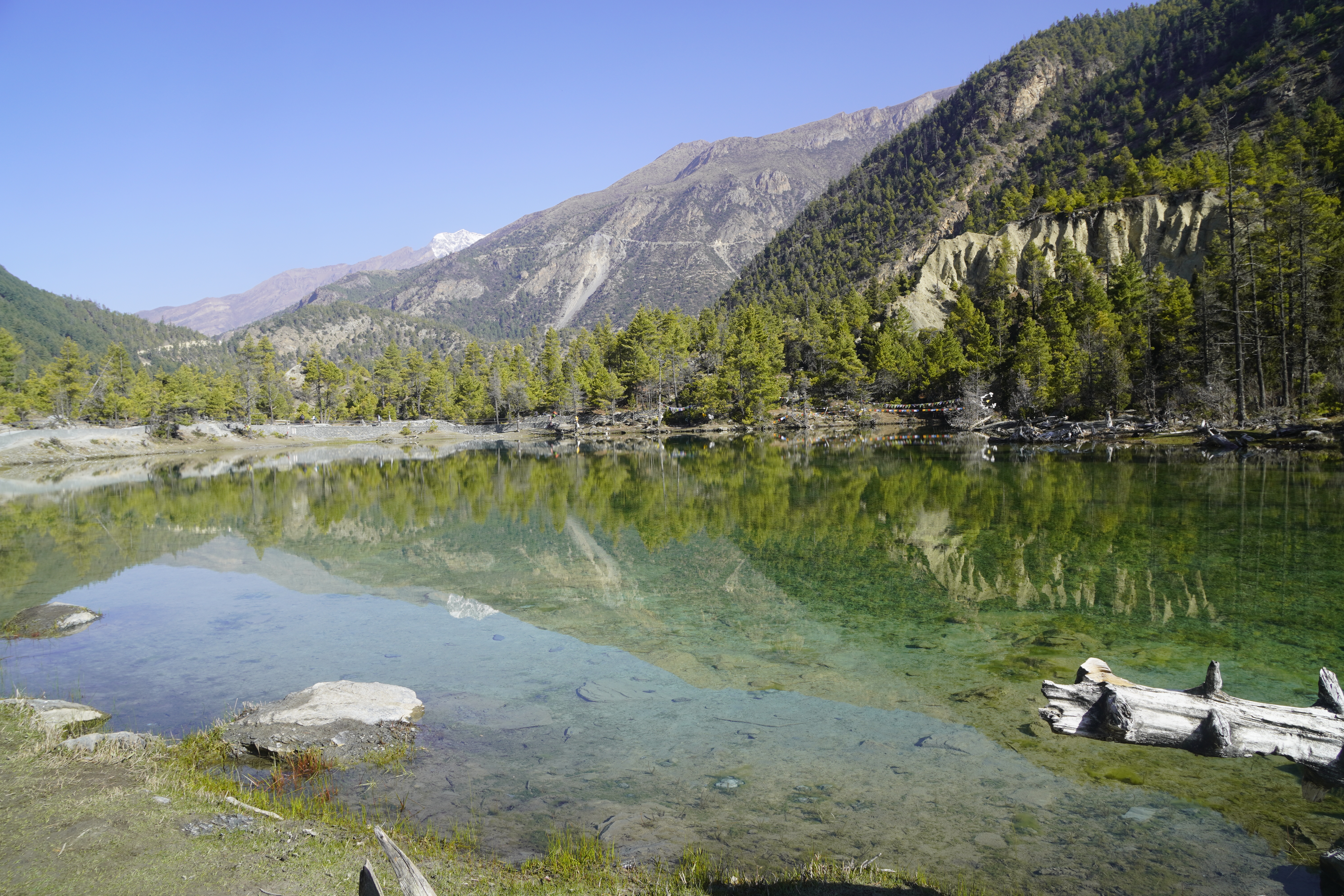
Pisang is one of those places that catches you off guard. Sitting at around 3,300 meters in the Manang Valley, it comes in two distinct parts. Lower Pisang hugs the valley floor with a more modern, accessible feel. Upper Pisang sits on a ridge above and holds an older, more traditional character that makes the extra climb feel completely worthwhile.
Trekkers who take the high route through Upper Pisang are rewarded with sweeping views of Annapurna II and the valley stretching back toward Chame. The old monastery perched above the village is quiet in the mornings, and the stone walls and fluttering prayer flags give the place a texture that no photograph truly does justice to. If you have the legs for the climb, Upper Pisang is one of the best villages along the Annapurna Circuit route and should not be skipped.
Braga Monastery
A short walk from Manang, Braga Monastery is one of the oldest and most significant religious sites in the Annapurna region. It sits on a cliff face at around 3,500 meters, and the monastery itself is over 600 years old. Inside, you'll find intricate wall paintings, ancient scriptures, and prayer wheels that have been in use for centuries. The views from here across the valley and the Annapurna range are genuinely spectacular.
Visiting Braga during your acclimatization day in Manang adds real cultural depth to what might otherwise just feel like a rest day. It's one of those cultural places to visit in the Annapurna Circuit that rewards curiosity, and the monks there are often welcoming to respectful visitors.
Manang Village
Manang is the acclimatization hub of the Annapurna Circuit, and it earns that title for good reason. Sitting at 3,540 meters, this is where most trekkers spend an extra day before the push toward Thorong La Pass. But calling it just a rest stop doesn't do it justice.
The village has a strong Tibetan Buddhist character. Stone houses line narrow alleyways, prayer flags stretch across rooftops, and several gompas sit on the hillside above the main settlement. There's a Himalayan Rescue Association clinic here, local bakeries that serve surprisingly good apple pie, and small shops where you can stock up before the high-altitude sections ahead. Manang is also the base for three excellent acclimatization hikes: Gangapurna Glacial Lake, Ice Lake, and the trail leading toward Tilicho Lake. Most trekkers end up wishing they'd planned for one more day here.
Gangapurna Glacial Lake
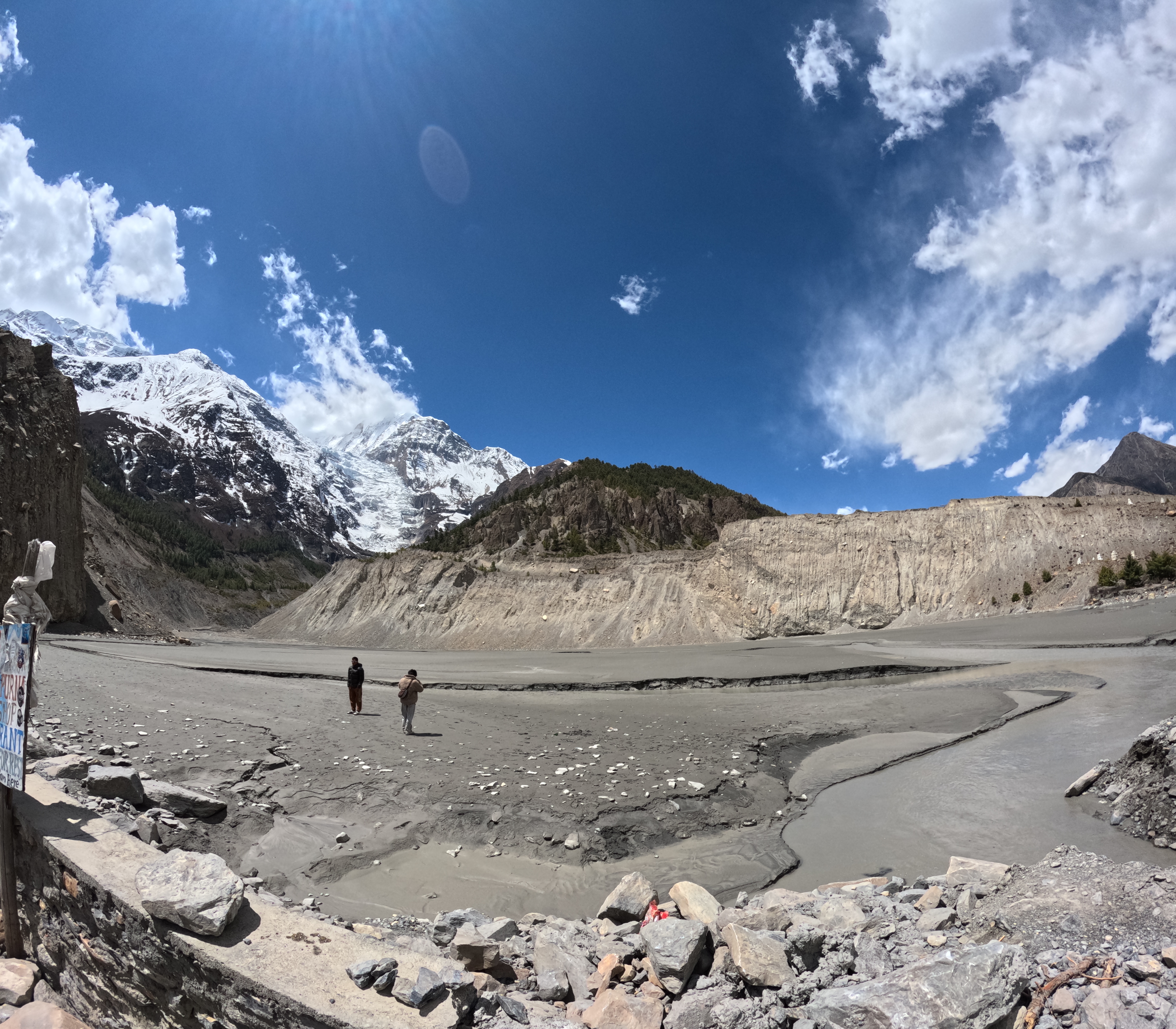
Easily one of the most beautiful acclimatization hikes from Manang, Gangapurna Glacial Lake sits below the 7,455-meter Gangapurna peak. The lake has a distinctive milky turquoise color, caused by fine glacial rock particles suspended in the water. It reflects the surrounding peaks in a way that feels almost too perfect for a real place.
The hike is moderate and manageable for most trekkers. Early morning is the best time to visit, when the light is soft and the surface of the lake is still. It's also one of the best photography spots in the Annapurna Circuit, offering a combination of foreground water, glacial ice, and towering peaks in a single frame.
Ice Lake (Kicho Tal)
For trekkers who want a more demanding acclimatization experience, Ice Lake is the answer. Locally known as Kicho Tal, this lake sits at approximately 4,600 meters above Manang and takes around four to six hours to reach on a trail that is steep and consistently challenging.
From the lake, you get panoramic views of Annapurna II, III, and IV, Gangapurna, and Tilicho Peak all at once. The lake is almost always surrounded by snow, which gives it a quality that is genuinely difficult to describe until you're standing there looking at it. This is one of the hidden gems in the Annapurna Circuit that still sees far fewer visitors than the main stops. The solitude up there, combined with the scale of the peaks surrounding you, makes it one of the most underrated attractions on the entire route.
Tilicho Lake
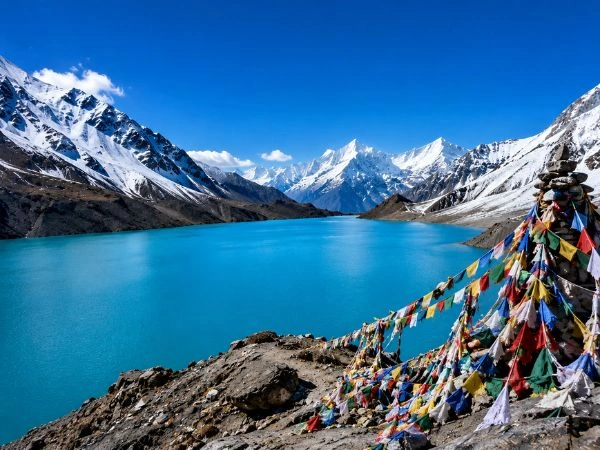
Tilicho Lake deserves its own conversation. At 4,919 meters, it's one of the highest lakes in the world, and it occupies a remote basin beneath the enormous face of Tilicho Peak. The route branches off from Shree Kharka, adding a day or two to your itinerary depending on your pace.
Trekkers who make the detour consistently call it one of the most stunning places they've ever seen. The lake is vast, a deep brilliant blue, and the ridgelines surrounding it block out everything except sky and mountain. There are no distractions up there. It's just you, the water, and one of the most extraordinary natural settings in the Himalayas. Is Tilicho Lake worth visiting? Absolutely, without hesitation.
Thorong La Pass
Thorong La Pass is the highest point on the Annapurna Circuit and the moment the entire trek builds toward. It sits at 5,416 meters, and most trekkers begin the ascent between 3 and 4 in the morning from Thorong Phedi or High Camp to avoid the strong afternoon winds.
The ascent is long, steep, and unforgiving in bad weather. The air thins noticeably in the final push toward the top. But the moment you stand at the summit, surrounded by a 360-degree panorama of snow-covered peaks including Dhaulagiri and the full Annapurna range, everything else fades. The sense of accomplishment at Thorong La is hard to match anywhere on this trail. It's the physical and psychological peak of the Annapurna Circuit, and years after the trek, most people say it's the moment they still return to in their minds.
Muktinath Temple
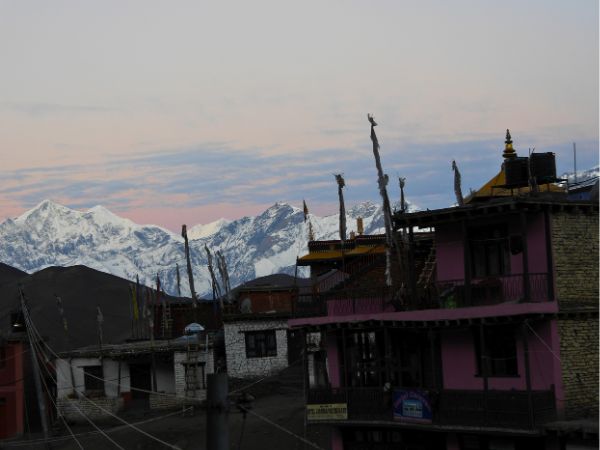
A few hours' descent from Thorong La Pass, Muktinath Temple is one of the most sacred pilgrimage sites in Nepal. It's revered simultaneously by Hindus and Buddhists, which makes it rare among religious destinations anywhere in the Himalayas.
The history of Muktinath runs deep. The site dates back thousands of years and appears in ancient Hindu texts as one of 108 Divya Desams, the sacred abodes of Lord Vishnu. For Hindus, Muktinath is worshipped here as Mukti Narayana, the liberator of souls, and completing a pilgrimage here is considered an act that breaks the cycle of rebirth. The temple features 108 water spouts arranged in a semicircular pattern, where devotees take holy baths as an act of purification. An eternal flame burns within the complex, believed to have been lit continuously for centuries, fed by natural gas seeping through the earth.
For Buddhists, the site is associated with Bodhisattva Avalokiteshvara, and both the flame and the water spouts carry deep spiritual meaning in that tradition as well. The Tibetan name for Muktinath is Chumig Gyatsa, which translates roughly as "hundred waters," a direct reference to the 108 spouts. People arrive as pilgrims from across Nepal, India, and Tibet, and the place always feels genuinely alive with that collective energy. For trekkers passing through, even without a religious connection, the atmosphere here is unlike anything else on the circuit.
Kagbeni Village
Kagbeni is one of the most visually striking villages on the entire circuit and one of its most underappreciated stops. It sits at the confluence of the Kali Gandaki and Mustang rivers at around 2,800 meters, and it marks the official entry point into Upper Mustang, the restricted high-altitude region that requires a separate permit.
The village has a medieval character. Narrow lanes wind through ancient chortens, and a striking red monastery rises above the rooftops against a pale, eroded landscape. Even without the Upper Mustang permit, Kagbeni rewards those who slow down. The views north toward the Mustang plateau, combined with the contrast of the green river valley against the surrounding dry hills, create one of the most distinctly Himalayan settings you'll encounter on the route. The must-see cultural landmark here is the Kag Chode Thupten Samphel Ling Monastery, one of the most important monasteries in the Mustang region, which dates back to the 15th century.
Jomsom
Jomsom serves as the administrative center of Mustang district and sits in the heart of the Kali Gandaki Valley. It's a functional, accessible town with an airport, shops, teahouses, and a regular wind that picks up dramatically every afternoon. But beyond its practical role as a transit hub, Jomsom holds genuine character.
The Thakali people call this region home, and their warm hospitality and distinctive cuisine are worth experiencing at least once. The Kali Gandaki Gorge, one of the deepest river gorges in the world, cuts through the landscape just outside town. Views of Dhaulagiri and Nilgiri from Jomsom are particularly striking in the early morning hours before the wind arrives. The town is also known for Shaligram fossils, ammonite-shaped stones found along the riverbed that carry significant religious importance for Hindus. Jomsom often gets treated as a stopover, but it deserves more time than most trekkers give it.
Marpha Village
Marpha sits at 2,650 meters in the Mustang region and has a reputation that precedes it on every version of the Annapurna Circuit. Known as the Apple Capital of Nepal, this village is clean, well-maintained, and lined with whitewashed stone houses that carry a distinctly Tibetan Buddhist character.
The must-see cultural landmarks in Marpha include the Marpha Monastery and the traditional Thakali architecture that defines the village's stone-paved central lane. The apple orchards surrounding Marpha are a genuine highlight, particularly in harvest season when the trees are heavy with fruit. Local producers turn the harvest into brandy, cider, dried fruit, and fresh juice, all available at small shops throughout the village. Walking through its narrow lanes, with the smell of apples in the air and the sound of prayer wheels turning nearby, is one of the most pleasant hours you'll spend on this entire trek.
Tatopani Hot Springs
Tatopani literally translates to "hot water" in Nepali, and the name tells you exactly what this stop offers. The natural hot springs here are heated by geothermal activity and are rich in minerals. The pools sit beside the Kali Gandaki River, surrounded by lush green vegetation that feels like a completely different world after the high-altitude sections behind you.
After days of steep descents, challenging passes, and long miles on rugged terrain, soaking here is an experience that trekkers look forward to for most of the journey. The warm water on tired muscles, with the sound of the river nearby and green hills around you, delivers a genuine sense of restoration. For a lot of trekkers, Tatopani is the moment the Annapurna Circuit finally lets you breathe.
Poon Hill
Poon Hill, sitting at 3,210 meters above the village of Ghorepani, is one of the most famous sunrise viewpoints in Nepal. It's a standard stop on the shorter Ghorepani Poon Hill Trek, but trekkers on the full Annapurna Circuit can incorporate it as a meaningful side trip.
The panoramic mountain views from the top include Annapurna I, II, III, and IV, Dhaulagiri, Machhapuchhre (Fishtail), Nilgiri, and Lamjung Himal. At sunrise, the light shifts across those snow-covered peaks in a way that changes color by the minute, going from deep orange to a clean white as the sun clears the ridgeline. It's one of the most photographed viewpoints in Nepal, and it earns that standing every single morning.
Best Side Trips from Manang for Acclimatization
Manang sits at 3,540 meters and serves as the main acclimatization base before Thorong La Pass. Most trekkers spend two nights here, and the side trips from Manang are not optional extras. They're a core part of preparing your body for the altitude ahead.
The three best acclimatization hikes from Manang are the walk to Braga Monastery, the moderate trail to Gangapurna Glacial Lake, and the demanding climb to Ice Lake at 4,600 meters. Braga is a short walk of around 20 minutes from Manang and pairs altitude gain with cultural exploration. Gangapurna Glacial Lake sits at around 3,800 meters and is the standard recommendation for most trekkers because the elevation gain is meaningful without being extreme. Ice Lake is the serious option. It sits 1,000 meters above Manang and takes four to six hours round trip. Trekkers who push through to Ice Lake generally handle the approach to Thorong La with noticeably better confidence.
For those with an extra day to spare, the trail toward Tilicho Lake via Shree Kharka is also done partly as an acclimatization extension, though it requires camping or an overnight stay at Tilicho Base Camp.
Why Thorong La Pass Is the Most Significant Landmark on the Annapurna Circuit
Thorong La Pass is significant for reasons that go beyond its altitude of 5,416 meters. It's the geographical dividing point between the Marsyangdi river basin to the east and the Kali Gandaki river valley to the west. Crossing it is the only way to complete the circuit without backtracking, which makes it the structural hinge of the entire trek.
In practical terms, everything before Thorong La is preparation and everything after it is descent. The physical and psychological weight of the pass shapes how trekkers approach every stop along the way. Acclimatization days in Manang exist because of Thorong La. The early morning starts from Thorong Phedi exist because of the afternoon winds at Thorong La. The route planning, the rest days, the permit checkpoints, the rescue clinic in Manang: all of it is organized around this single crossing.
Beyond the logistics, there's a cultural and spiritual dimension to Thorong La that most trekkers feel without quite being able to name it. The prayer flags at the summit have been placed there by pilgrims heading to Muktinath, not just trekkers seeking a summit photo. The pass has served as a high-altitude crossing for traders, pilgrims, and nomads for centuries. Standing at the top, you're sharing that ground with a long history of people who crossed it for reasons that had nothing to do with sport.
How to Prepare for Crossing Thorong La Pass
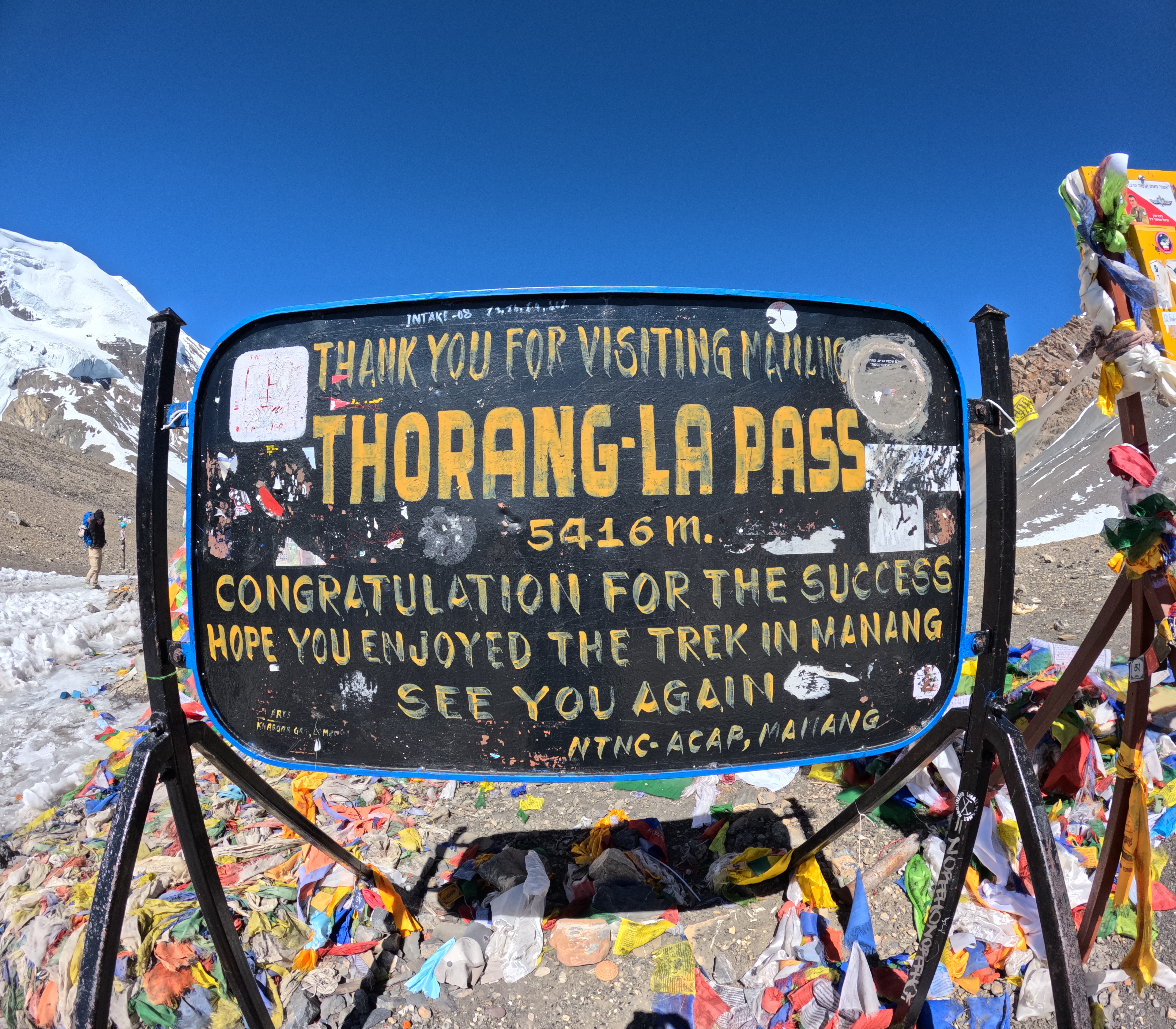
Preparation for Thorong La Pass begins well before you start the trek. The crossing demands cardiovascular fitness, proper altitude acclimatization, and the right gear. Arriving at Thorong La unprepared is genuinely dangerous.
On the fitness side, regular cardio training in the months before the trek makes a measurable difference. The ascent from High Camp to the summit covers around 500 vertical meters over roughly three to four hours. Your legs will feel it, but your lungs will feel it more.
Acclimatization is non-negotiable. Spend at least two nights in Manang and do a meaningful altitude hike on the rest day. Most altitude-related emergencies on the Annapurna Circuit happen because trekkers skip acclimatization days to save time. The Himalayan Rescue Association in Manang runs daily talks on altitude sickness that are genuinely worth attending.
Start the crossing early, ideally between 3 and 5 in the morning. The afternoon winds at Thorong La can reduce visibility and make movement difficult. By crossing in the early hours, you reach the summit before the worst conditions develop. Carry water, snacks, layers, and sun protection. The cold at the top catches many trekkers off guard even in spring and autumn.
Tilicho Lake Side Trip vs. Staying on the Standard Annapurna Circuit Trail
This is one of the most common decisions trekkers face on the Annapurna Circuit, and the answer depends on what you're looking for from the trek.
Staying on the standard trail means a cleaner itinerary, less altitude gain before Thorong La, and a more predictable schedule. For trekkers on a tight timeline or those who are already feeling the altitude in Manang, skipping Tilicho Lake is a sensible call. The standard circuit is already a full and extraordinary experience without it.
But the Tilicho Lake detour adds something the main trail cannot replicate. At 4,919 meters, the lake sits in a remote, enclosed basin that sees far fewer visitors than the main route. The trail from Shree Kharka to Tilicho Base Camp involves crossing a section of exposed ridge that is genuinely demanding. The lake itself has a scale and stillness that most trekkers describe as one of the most moving moments of the entire journey. If you have an extra day or two and your acclimatization is solid, the detour is worth taking without much deliberation.
One practical note: the Tilicho Lake route requires an overnight at Tilicho Base Camp or Shree Kharka. You return to the main circuit and continue toward Thorong La from Manang. Plan accordingly and don't attempt it the day before your Thorong La crossing.
Annapurna Circuit vs. Annapurna Base Camp Trek: Key Highlights
Trekkers frequently compare Annapurna Base Camp and Annapurna Circuit Route when planning a Nepal trip, and the differences are significant enough that choosing the wrong one for your goals can lead to real disappointment.
The Annapurna Circuit is a complete loop around the Annapurna massif. It takes 14 to 21 days, crosses Thorong La Pass at 5,416 meters, and passes through an extraordinary range of landscapes and cultures. The highlights are spread across the entire route: high-altitude passes, ancient monasteries, apple villages, Hindu-Buddhist pilgrimage sites, and one of the deepest river gorges in the world. The diversity of the Circuit is its defining quality.
The Annapurna Base Camp Trek is a shorter, more focused route that takes 10 to 14 days and reaches the Annapurna Sanctuary at 4,130 meters. It doesn't cross a high mountain pass. Instead, it moves through the Modi Khola valley via Ghandruk and Chhomrong into a glacial amphitheater surrounded by Annapurna I, Annapurna South, Hiunchuli, and Gangapurna. The highlights of the ABC Trek are concentrated and immersive rather than varied: Poon Hill sunrise, the Gurung village of Ghandruk, Chhomrong ridge views, and the dramatic setting of the Annapurna Sanctuary itself.
The Circuit suits trekkers who want a long, varied journey across multiple landscapes and cultural zones. ABC suits those who want a tighter, more contained mountain experience with less time on the trail. Both are exceptional. They're just exceptional in different ways.
Tea House Facilities and Accommodation in Manang and Muktinath
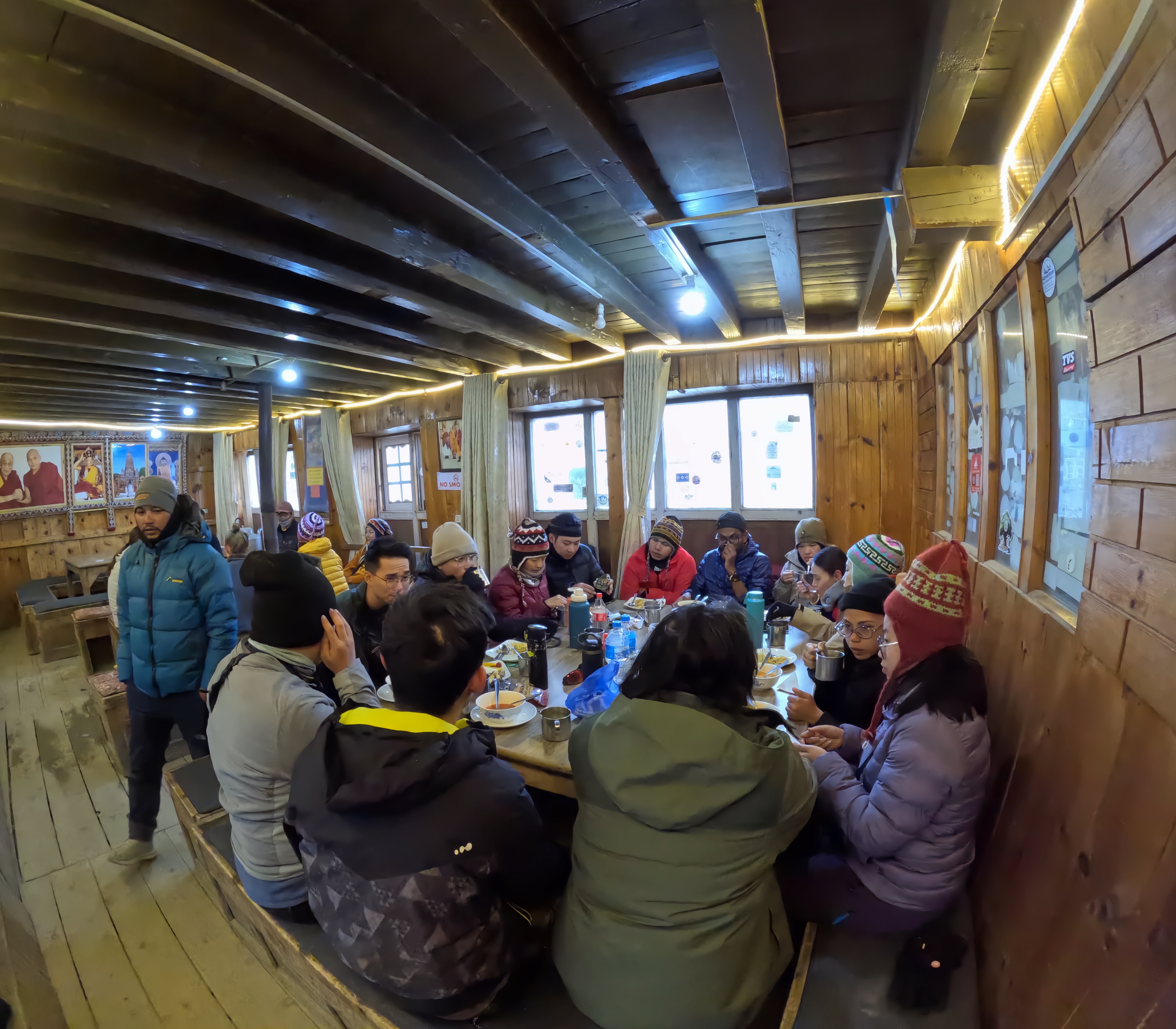
Both Manang and Muktinath have seen consistent improvement in tea house infrastructure over the past decade, though the experience in each town differs considerably.
Manang has the best facilities of any village on the upper Annapurna Circuit. Tea houses here offer private rooms with attached or shared bathrooms, hot showers (often solar-powered), charging points, and Wi-Fi at most lodges, though the connection is unreliable at altitude. The food options are genuinely broad for a village at 3,540 meters: dal bhat, pasta, pizza, momo, and baked goods from several local bakeries. The Himalayan Rescue Association clinic and a small museum are also within walking distance of most lodges. Manang is the last place on the circuit where you can expect a relatively comfortable rest before the conditions become more austere.
Muktinath sits at 3,800 meters and has a more limited but still functional range of tea houses. Most offer basic private rooms, common bathrooms, and simple meals. The facilities are adequate after crossing Thorong La, and the town has enough lodges to absorb the volume of trekkers who arrive after the pass crossing. Hot showers are available at most places but tend to be solar-heated and work best in the early afternoon. Muktinath's tea houses fill up quickly during peak season, so arriving early in the afternoon gives you the best choice of accommodation.
Annapurna Circuit for Solo Female Trekkers
The Annapurna Circuit is widely regarded as one of the safer long-distance treks in Nepal for solo female trekkers. The trail is busy, well-marked, and passes through villages with established tea house infrastructure throughout. You're rarely isolated for long stretches, particularly on the main route.
That said, a few practical points apply specifically in 2026. Solo trekking without a licensed guide is now restricted across the Annapurna region, which effectively means all solo trekkers, regardless of gender, must book through a registered agency with a licensed guide. This regulation, while primarily introduced for safety reasons, also provides an additional layer of support for solo travelers navigating unfamiliar terrain.
In terms of social dynamics on the trail, female trekkers generally report positive experiences in the villages along the circuit. Local families running tea houses are accustomed to international visitors, and the interaction tends to be respectful and hospitable. Carrying a door lock or a basic travel wedge for added privacy in shared facilities is a common recommendation from frequent trekkers. Manang, Muktinath, Jomsom, and Marpha all have enough infrastructure that you'll rarely feel entirely alone, even if you're trekking independently within your guided group. The circuit's popularity works in your favor here.
Hidden Gems in Annapurna Circuit Trek
Not every attraction on the Annapurna Circuit gets the attention it deserves. Ice Lake sees far fewer visitors than Gangapurna Lake, despite offering a more dramatic setting. Kagbeni gets passed through quickly by trekkers focused on Jomsom, but it rewards anyone who actually stops. The high route through Upper Pisang offers a completely different perspective on the Manang Valley than the standard lower trail, and most trekkers miss it entirely.
Braga Monastery, sitting right next to the more visited Manang, is consistently underexplored. The detour to Tilicho Lake is still treated as optional by some operators, which means the trail up there stays quieter than the main circuit. These are the places where the Annapurna Circuit shows its more personal side, away from the teahouse crowds and the beaten path.
Best Photography Spots in Annapurna Circuit
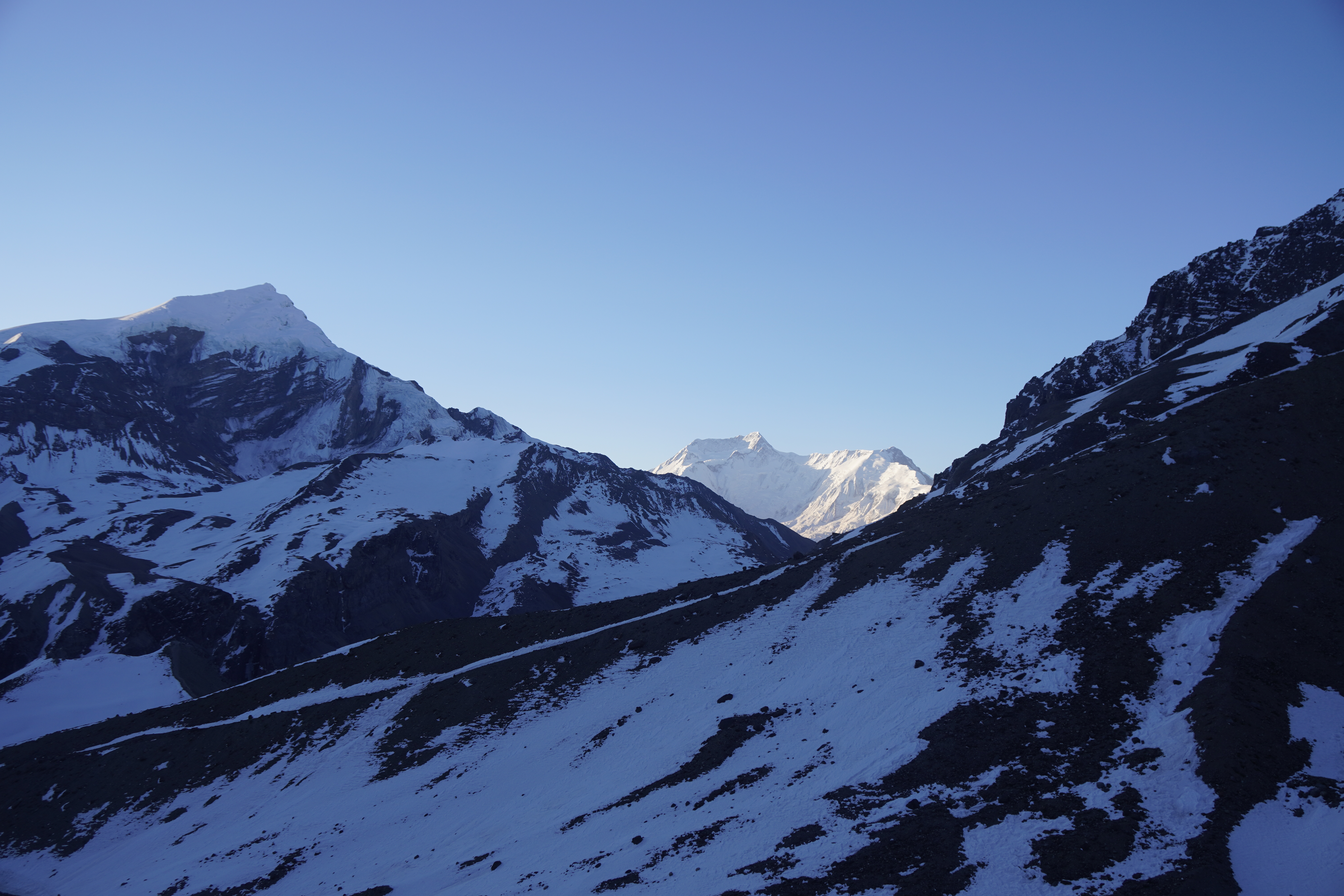
The best photography spots in the Annapurna Circuit are Thorong La Pass for dramatic high-altitude landscapes, Gangapurna Glacial Lake for its turquoise reflection shots, Poon Hill for sunrise mountain panoramas, Upper Pisang for village-and-peak combinations, and Kagbeni for medieval architecture set against a desert backdrop. Tilicho Lake and Ice Lake both offer conditions that are nearly impossible to find at lower elevations, with snow, glacial ice, and deep blue water sharing the same frame. Muktinath at dusk, with pilgrims gathered around the eternal flame, is another frame that stays with you long after the trek ends.
Altitude of Major Villages on the Annapurna Circuit
| Village / Stop |
Altitude (Meters) |
Altitude (Feet) |
Key Role |
| Besisahar |
760 m |
2,493 ft |
Trek starting point |
| Chame |
2,710 m |
8,891 ft |
First major town, permits checked |
| Upper Pisang |
3,300 m |
10,827 ft |
High-route views, old monastery |
| Braga Monastery |
3,500 m |
11,483 ft |
600-year-old Buddhist site |
| Manang Village |
3,540 m |
11,614 ft |
Acclimatization hub |
| Gangapurna Glacial Lake |
3,800 m |
12,467 ft |
Turquoise glacial lake |
| Ice Lake (Kicho Tal) |
4,600 m |
15,092 ft |
Panoramic peak views |
| Tilicho Lake |
4,919 m |
16,138 ft |
One of the world's highest lakes |
| Thorong La Pass |
5,416 m |
17,769 ft |
Highest point on the circuit |
| Muktinath Temple |
3,800 m |
12,467 ft |
Hindu-Buddhist pilgrimage site |
| Kagbeni Village |
2,800 m |
9,186 ft |
Upper Mustang gateway |
| Jomsom |
2,720 m |
8,924 ft |
Thakali culture, Kali Gandaki Gorge |
| Marpha Village |
2,650 m |
8,694 ft |
Apple Capital of Nepal |
| Tatopani Hot Springs |
1,190 m |
3,904 ft |
Mineral pools, post-trek recovery |
| Poon Hill |
3,210 m |
10,531 ft |
Best sunrise panorama in Nepal |
Essential Packing List for High-Altitude Sections of Annapurna Circuit
The high-altitude sections of the Annapurna Circuit, roughly from Manang to Muktinath via Thorong La, demand specific preparation. The gear that works fine at 2,000 meters will feel completely inadequate at 5,416 meters in pre-dawn cold and wind.
For clothing, a down jacket rated to at least minus 10 degrees Celsius is non-negotiable for the Thorong La crossing. Thermal base layers, a mid-layer fleece, waterproof shell jacket, waterproof trousers, and insulated gloves round out the core. Merino wool socks are worth the investment for multi-day comfort. Gaiters are useful when snow covers the trail in spring or autumn.
For footwear, well broken-in waterproof trekking boots with ankle support are essential. Do not attempt Thorong La in trail runners unless you have significant experience with this type of terrain.
For health and safety, carry diamox (acetazolamide) after consulting a doctor, a pulse oximeter to monitor your blood oxygen levels, a basic first aid kit, and oral rehydration salts. Sun protection at altitude is critical: SPF 50 sunscreen, UV-blocking sunglasses, and a sun hat prevent issues that can derail a crossing quickly.
Trekking poles make a measurable difference on both the ascent to Thorong La and the steep descent to Muktinath. Carry at least two to three liters of water capacity and use purification tablets or a filter for refills along the trail. A headlamp with fresh batteries is essential for the pre-dawn start from High Camp.
Important 2026 Trekking Rules for Annapurna Circuit
Two significant regulatory changes came into effect for 2026 that every trekker needs to know before booking.
Solo trekking without a licensed guide is now restricted across the Annapurna region. Hiring a guide through a registered trekking agency is mandatory, and you cannot obtain a TIMS card or ACAP permit without a guide's license number attached to your application. This rule applies to all foreign nationals regardless of experience level.
On permits, the fees for 2026 remain stable. Foreign nationals pay NPR 3,000 for the Annapurna Conservation Area Permit (ACAP) and NPR 2,000 for the TIMS card. Both must be obtained in Kathmandu or Pokhara before the trek begins, as permit checkpoints at Besisahar and Dharapani do not issue them on the trail.
For trekkers planning an Upper Mustang extension beyond Kagbeni, the Restricted Area Permit fee was revised in late November 2025. The old fixed USD $500 charge for 10 days has been replaced with a daily rate of USD $50 per person, making shorter visits to Upper Mustang significantly more practical and affordable than before.
FAQ: Best Places in Annapurna Circuit Trek
What are the best places to visit in Annapurna Circuit Trek?
The top places to visit are Thorong La Pass, Manang Village, Muktinath Temple, Tilicho Lake, Braga Monastery, Kagbeni, Jomsom, Marpha, Tatopani Hot Springs, and Poon Hill. Each stop contributes something distinct to the overall experience.
Which village is best in Annapurna Circuit?
Manang is widely considered the best village on the circuit for its cultural depth, mountain views, and facilities. Marpha is a strong second, known for its apple orchards and clean Tibetan-influenced architecture. Kagbeni stands out for its medieval atmosphere near the Upper Mustang border.
Is Tilicho Lake worth visiting?
Yes, without question. Tilicho Lake at 4,919 meters is one of the highest lakes in the world and one of the most rewarding detours on the circuit. The extra day or two required is a worthwhile investment for the scenery alone.
What is the most beautiful part of Annapurna Circuit?
Most trekkers cite Thorong La Pass, the Manang Valley, and the landscape around Tilicho Lake as the most beautiful sections. The views from Poon Hill at sunrise and the high-altitude desert through Mustang also rank consistently among the most memorable parts of the route.
What is special about Thorong La Pass?
Thorong La Pass at 5,416 meters is the highest point on the Annapurna Circuit and one of the highest trekking passes in the world. Crossing it requires proper acclimatization, an early start, and physical preparation. It's also the geographical dividing point between two major river valleys and has served as a crossing for pilgrims, traders, and nomads for centuries. The 360-degree summit views and the sense of accomplishment make it the defining moment of the entire trek.
Which side trip is best in Annapurna Circuit?
The Tilicho Lake detour and the Poon Hill excursion from Ghorepani are consistently rated as the best side trips. For acclimatization hikes specifically, Ice Lake above Manang offers the most dramatic high-altitude experience on the circuit.
How many days are needed for Annapurna Circuit Trek?
The standard Annapurna Circuit Trek takes between 14 and 21 days depending on the route, pace, and side trips included. Adding Tilicho Lake or the Poon Hill detour will extend the itinerary by one to three days.
Is the Annapurna Circuit safe for solo female trekkers?
Yes. The Annapurna Circuit is one of the safer long-distance treks in Nepal for solo female trekkers. The trail is well-traveled, villages are spaced regularly, and the tea house culture is generally respectful and hospitable. The 2026 mandatory guide requirement also means all solo trekkers now trek with a licensed local guide, which adds a practical layer of support.
What accommodation is available in Manang and Muktinath?
Manang has the best facilities on the upper circuit, with private rooms, hot showers, Wi-Fi, and a wide food selection at most tea houses. Muktinath has adequate but more basic accommodation, with simple private rooms and hot showers available at most lodges. Both fill up quickly during peak season, so arriving early in the afternoon gives you the best options.
How do the Annapurna Circuit and Annapurna Base Camp treks compare?
The Circuit is longer (14 to 21 days), covers more terrain, crosses a high pass at 5,416 meters, and offers far greater cultural and landscape variety. The ABC Trek is shorter (10 to 14 days), more focused, and delivers an intimate experience inside the Annapurna Sanctuary at 4,130 meters without a high pass crossing. Both are exceptional but suit different types of trekkers and timelines.