The Annapurna Circuit has long been heralded as one of the most diverse long distance treks on the planet. As we move into the 2026 trekking season, the landscape of Nepalese tourism is shifting toward a model that prioritizes trekker safety and environmental sustainability. Whether you are a seasoned mountaineer or a first time trekker, navigating the new 2026 permit systems and mandatory guide regulations is essential for a successful journey.
This guide provides a deep dive into the permits of the Annapurna Circuit. We will cover the latest financial requirements, the cultural nuances of the Manang and Mustang districts, and the physiological preparations needed to cross the formidable Thorong La Pass.
Why the Annapurna Circuit Remains the Gold Standard of Trekking
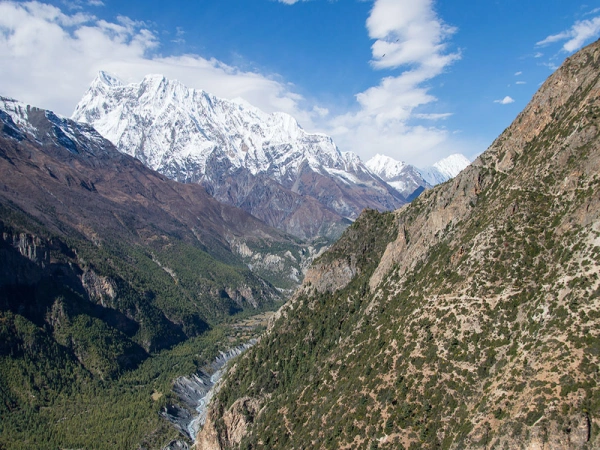
Unlike the linear route to Everest Base Camp, the Annapurna Circuit is a grand circumnavigation of the Annapurna Massif. In 2026, the trail continues to offer a transition through nearly every climatic zone on Earth. You begin in the subtropical lowlands with lush rice paddies and end in the arid, rain shadow high altitude deserts that mirror the Tibetan Plateau.
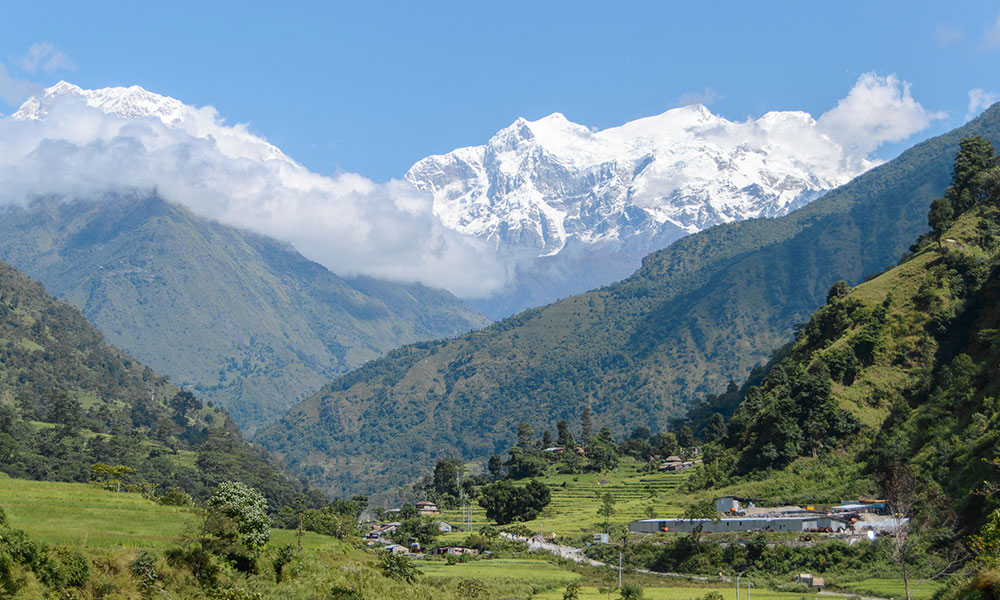
Key Highlights of the Annapurna Circuit 2026 Season
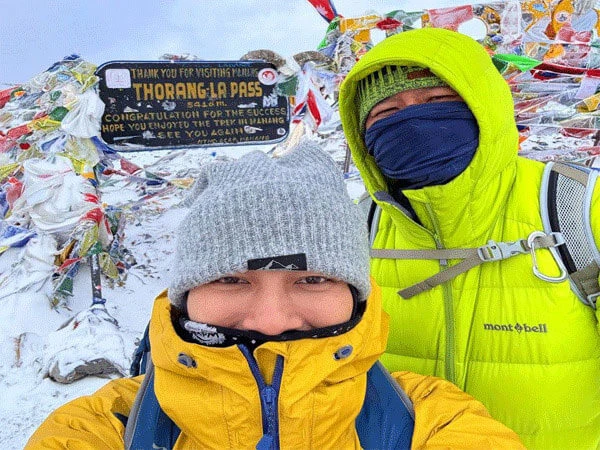
- Thorong La Pass (5,416m): The ultimate physical challenge of the trek.
- The Kali Gandaki Gorge: Recognized as the deepest gorge in the world.
- Muktinath Temple: A sacred pilgrimage site for both Hindus and Buddhists.
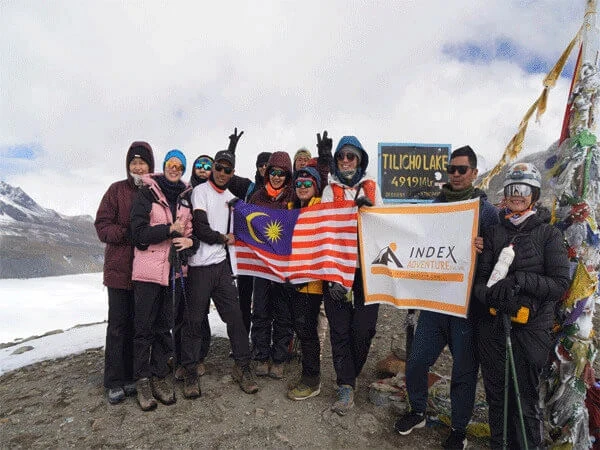
- Tilicho Lake Detour: The highest altitude lake of its size, often included as a 3 day extension.
- Modernized Teahouses: Improved Wi-Fi and solar charging capabilities in villages like Manang and Chame.
Detailed Permit Requirements and 2026 Cost Structure
Navigating the bureaucracy of trekking permits in Nepal can be daunting. For 2026, the government has moved toward a more integrated digital system, though physical checkpoints remain the primary method of verification.
Annapurna Conservation Area Permit (ACAP)
The ACAP is managed by the National Trust for Nature Conservation (NTNC). It is mandatory for all individuals entering the Annapurna region. The funds are used for trail maintenance, wildlife protection, and community education programs.
- Foreign Nationals: NPR 3,000 (Approx. USD 23 to 30)
- SAARC Nationals: NPR 1,000 (Approx. USD 8 to 10)
- Children under 10: Free of charge
Trekker's Information Management System (TIMS) Card
The TIMS card is your "safety passport." It records your entry and exit dates to ensure that authorities can track your location in the event of an earthquake, landslide, or blizzard.
- Foreign Nationals: NPR 2,000 (Approx. USD 15 to 20)
- SAARC Nationals: NPR 1,000 (Approx. USD 8)
2026 Permit Cost for Annapurna Circuit Summary Table
The table below provides a quick reference for budgeting your mandatory permit fees in the local currency (NPR) and the estimated USD equivalent for Annapurna Circuit Trek permits.
|
Category
|
ACAP Fee (NPR)
|
TIMS Fee (NPR)
|
Total Cost (NPR)
|
Est. Cost (USD)
|
|
Foreign Nationals
|
3,000
|
2,000
|
5,000
|
$35 to $40
|
|
SAARC Nationals
|
1,000
|
1,000
|
2,000
|
$15 to $18
|
|
Expats in Nepal
|
3,000
|
2,000
|
5,000
|
$35 to $40
|
|
Children (<10 yrs)
|
Free
|
Free
|
Free
|
Free
|
Note: All payments at the Nepal Tourism Board must be made in cash using Nepalese Rupees. Credit cards are generally not accepted for permit fees.
Essential Documents for Your Application to ACT
To obtain these permits in Kathmandu or Pokhara, you must present a specific set of documents. Missing even one can result in delays that push back your start date.
- Original Passport: You must have at least six months of validity remaining.
- Passport Photocopies: Carry at least three clear copies of your photo page.
- Nepal Tourist Visa: Ensure your visa duration covers your entire planned trek plus a few buffer days.
- Passport Photos: You will need four (4) physical passport sized photos. While some offices use webcams, physical photos are still required for the paper ACAP permits.
- Insurance Details: You must provide the name and policy number of your travel insurance provider.
- Trekking Route: A basic itinerary including your starting point (Besisahar or Syange) and your ending point (Jomsom or Nayapul).
Where to get Annapurna Circuit Trek Permit?
Annapurna permits (ACAP and TIMS) are obtained at the Nepal Tourism Board (NTB) office in Kathmandu (Bhrikutimandap), NTB office/TAAN office in Pokhara (Damside), or online via NTNC e-permit.
Key Locations to Get Permits:
- Kathmandu: Nepal Tourism Board (NTB) office in Bhrikutimandap (Sunday-Friday, 10 am–5 pm).
- Pokhara: Nepal Tourism Board Service Center or TAAN Lakeside office (Sunday-Friday, 10 am–5 pm).
- Besisahar: The NTB office in Besisahar (for Circuit trekkers).
Tips:
- Closed Days: Offices are closed on Saturdays and public holidays.
- Last Minute: While you can get them at trail entry points, obtaining them in Kathmandu or Pokhara beforehand is advised.
- Validity: The permit is valid for a single entry only.
How to Apply Annapurna Circuit Trek Permits Online?
To trek the Annapurna Circuit, you need the Annapurna Conservation Area Project (ACAP) permit (approx. NPR 3,000/~$25) and a Trekkers' Information Management System (TIMS) card (approx. NPR 2,000/~$20). While in-person acquisition in Kathmandu/Pokhara is standard, ACAP can be initiated online via the official NTNC epermit site.
Online Permit Procedure (ACAP Only)
- Visit the Portal: Go to the official NTNC epermit website.
- Create Account: Register as a user to fill in personal details.
- Fill Application: Enter passport details, trekking itinerary, entry/exit points, and emergency contacts.
- Upload Documents: Upload a passport-size photo and a scan of your passport.
- Payment: Pay the fee ( NPR 3000 + tax) online.
- Download and Print: Download the approved permit and print multiple copies.
- Pick-up: Note that some procedures still require you to pick up the physical permit at NTNC offices in Kathmandu or Pokhara or at checkpoint offices, though it makes the process faster
Important Notes
- TIMS Requirement: As of 2026, the TIMS card is still required for safety tracking.
- Children: Children under 10 do not need a permit.
- Physical Verification: Always carry your passport, passport photos, and hard copies of the permits. You must show these at checkpoints like Besisahar and Dharapani.
- Restricted Areas: The main Annapurna Circuit does not require special restricted area permits unless you are heading into areas like Nar Phu.
Disclaimer: Permit regulations can change, so it is best to verify with the Nepal Tourism Board or a local agency before traveling.
critical update for 2026 is the full enforcement of the mandatory guide policy. Following several high profile incidents of solo trekkers going missing, the Nepal Tourism Board now requires all foreign trekkers to be accompanied by a licensed guide.
The Benefits of a Licensed Guide
- Medical Expertise: Early detection of Acute Mountain Sickness (AMS) symptoms.
- Cultural Authoritativeness: Providing accurate historical context for the monasteries and "mani" walls you encounter.
- Logistical Experience: Guides have established relationships with teahouse owners, ensuring you get a room during the crowded peak seasons of Autumn and Spring.
- Emergency Trust: In the event of a helicopter evacuation, a guide manages the complex communication with insurance companies and rescue pilots.
Training and Physical Preparation for 5,416 Meters
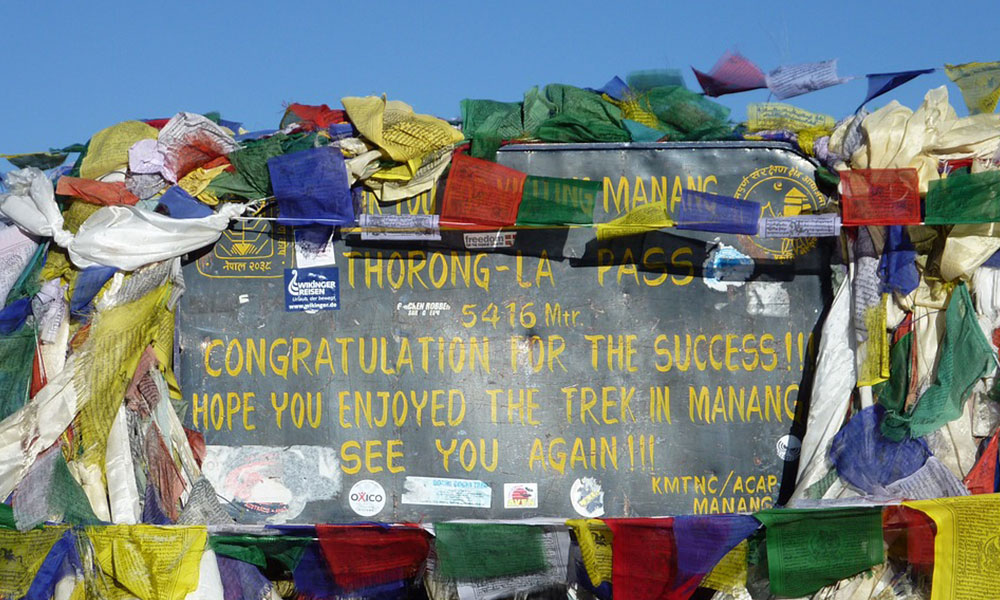
The Annapurna Circuit is a "moderate to difficult" trek. While it does not require technical climbing skills, it demands high levels of cardiovascular endurance and mental resilience.
- Cardiovascular Training: You should begin training at least three months before your departure. Focus on steady state cardio such as running, swimming, or cycling for 45 to 60 minutes four times a week.
- Strength Conditioning: Leg strength is vital for the long descents from Thorong La to Muktinath. Incorporate squats, lunges, and step ups into your routine. If possible, perform these exercises while wearing a weighted backpack to simulate trekking conditions.
- The Mental Game: Trekking for 12 to 18 days in remote conditions can be mentally taxing. Prepare yourself for basic accommodation, limited hot showers, and the psychological challenge of the "early morning" start for the pass crossing (usually 4:00 AM).
- Health and Safety: Avoiding Altitude Sickness (AMS): Altitude is the most significant risk factor on the Annapurna Circuit. By the time you reach Manang (3,540m), the oxygen concentration in the air is significantly lower than at sea level.
The Golden Rules of Acclimatization
- The 500 Meter Rule: Once above 3,000 meters, try not to increase your sleeping elevation by more than 500 meters per night.
- Climb High, Sleep Low: Spend your afternoons hiking to a higher point than where you intend to sleep. This "stress test" for your lungs helps speed up the production of red blood cells.
- Hydration is Key: Drink between 4 and 5 liters of water daily. Dehydration is often mistaken for AMS.
- Avoid Alcohol and Tobacco: These substances suppress your breathing and can mask the symptoms of altitude sickness.
- Understanding AMS Symptoms: If you experience a persistent headache, nausea, or extreme fatigue, you must inform your guide immediately. The only cure for advanced AMS is descent. Do not attempt to "push through" the pain, as this can lead to life threatening conditions like HAPE (High Altitude Pulmonary Edema).
Conclusion: Why 2026 is the Year for Annapurna
The Annapurna Circuit in 2026 represents the perfect balance of adventure and modern infrastructure. With the mandatory guide policy in place, the trek is safer than ever, and the permit fees contribute directly to the survival of this unique ecosystem. Standing at the top of Thorong La Pass, surrounded by the peaks of Annapurna I and Dhaulagiri, is a transformative experience that stays with you for a lifetime.
Ready to Start Your Himalayan Journey?
Planning a trek to the roof of the world requires precision, local knowledge, and a commitment to safety. Don't leave your 2026 adventure to chance.
Book your 2026 Annapurna Circuit Trek today with a certified local agency, Index Adventure and experience the magic of the Himalayas with the peace of mind you deserve!
Frequently Asked Questions (FAQ)
Can I get my permits in Besisahar?
No. While there are checkpoints in Besisahar, you cannot issue the ACAP or TIMS card there. You must obtain them in Kathmandu or Pokhara beforehand.
Is there cell phone reception on the Annapurna Circuit?
Yes. Both Ncell and Nepal Telecom (NTC) have decent coverage in most villages up to Manang. Above Manang, reception becomes spotty until you descend to the Mustang side.
What is the best month to trek Annapurna Circuit in 2026?
The "Golden Windows" are from late March to May and from October to early December. These months offer the clearest skies and most stable temperatures.
How much should I tip my guide and porter?
While tipping is not mandatory, it is expected as part of the local culture. A general guideline is $15 per day for the guide and $10 per day for the porter, split among your group members.