Choosing a trekking company for Upper Mustang is one of the most important decisions you will make before this journey. Upper Mustang is a restricted area. Independent trekking is illegal. You must book through a registered agency and travel with a licensed guide. That rule is not a formality; it is the law, enforced by police and army checkpoints along the entire trail.
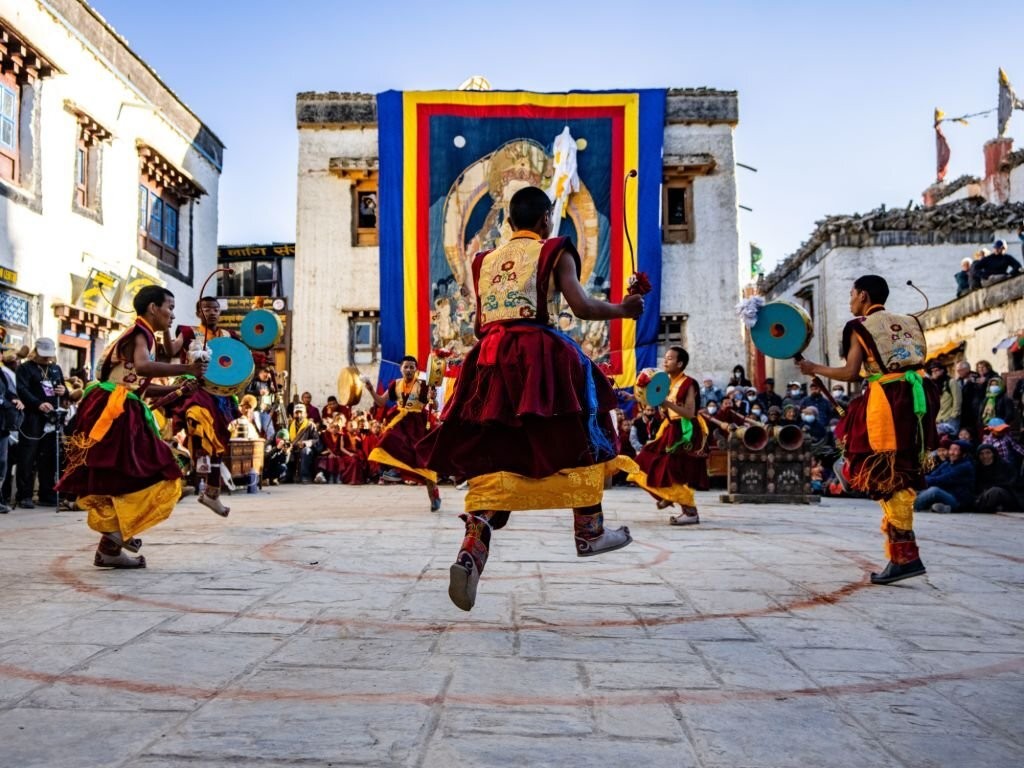
But beyond the legal requirement, there is something deeper worth understanding here. Upper Mustang, known historically as the Kingdom of Lo, holds one of the last surviving Tibetan Buddhist cultures in the world. The Loba people have guarded their language, rituals, art, and way of life for centuries. Their monasteries predate Columbus. Their festivals have not changed in a thousand years. This is not a theme park. It is a living community.
There is an old philosophy that travellers carry: "When in Rome, do as the Romans do." In Mustang, that idea matters more than almost anywhere else. The best experience you will have here is not the one you brought with you from home. It is the one you find when you slow down, follow local customs, drink butter tea even if it tastes strange the first time, and let the culture meet you rather than the other way around. And choosing the best trekking agency helps you do exactly that.
Why Choosing the Best Trekking Company Matters, and Even More So in Upper Mustang
Most treks in Nepal give you some flexibility. You can plan routes independently, hire a guide separately, or even trek solo on well-traveled paths. Upper Mustang removes all of that. Every foreign visitor must go through a registered trekking agency. There are no exceptions.
That legal necessity alone should sharpen your attention when selecting a company. But the stakes go even further here.
The Uniqueness of Upper Mustang as a Restricted Trekking Region
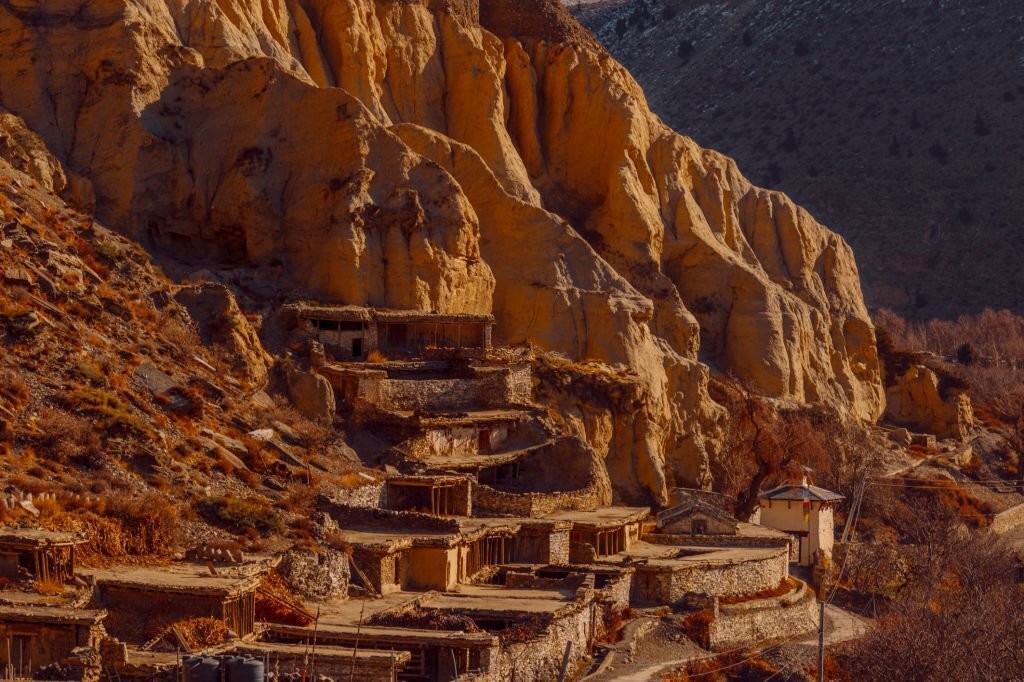
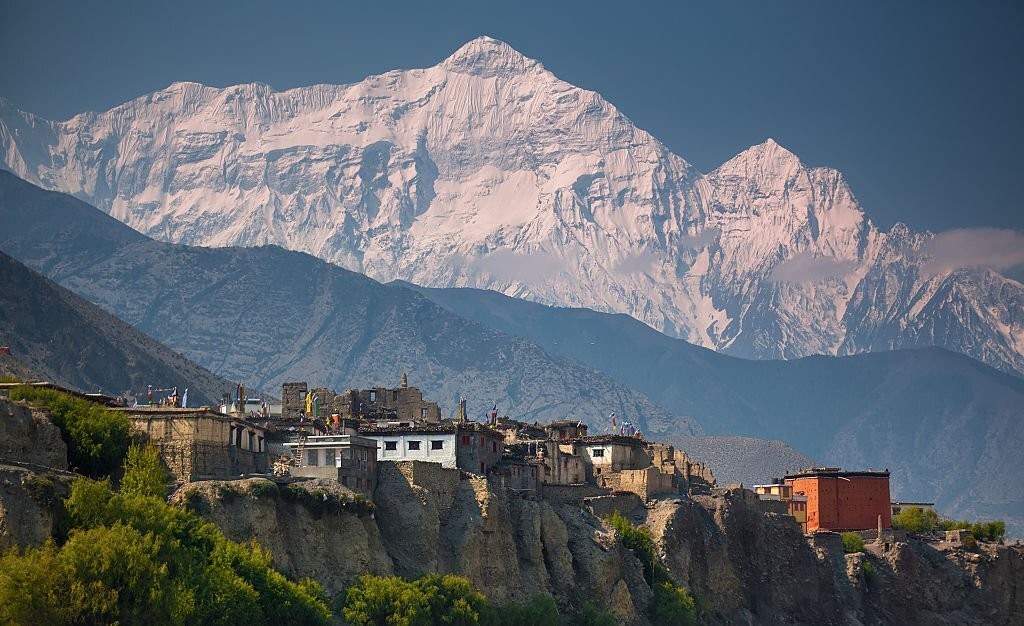
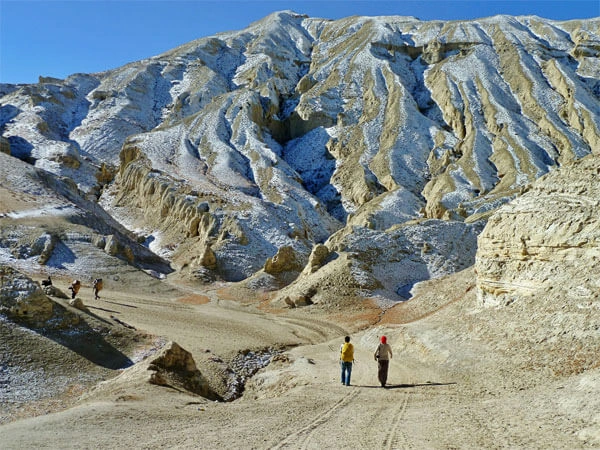
Upper Mustang sits north of the Annapurna and Dhaulagiri massifs, tucked into the rain shadow of the Himalayas on the border of Tibet. The landscape shifts completely the moment you cross into the restricted zone past Kagbeni. Red and ochre cliffs tower over desert valleys. Ancient cave dwellings are carved into canyon walls. The walled city of Lo Manthang, the former royal capital, stands almost exactly as it did six centuries ago.
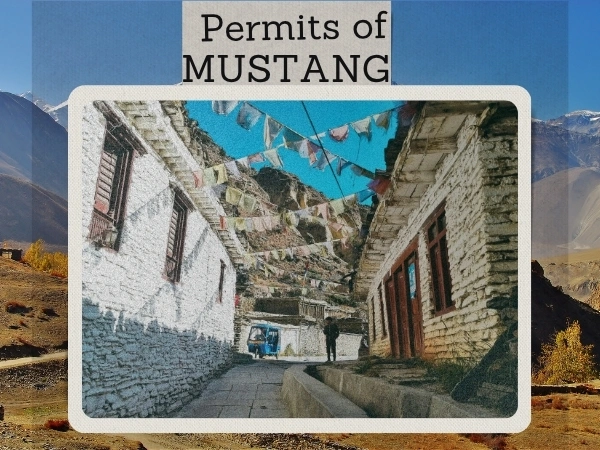
The region stayed closed to foreigners until 1992. Even now, access is tightly controlled. The government issues a Restricted Area Permit (RAP), caps the number of visitors, and requires all groups to include at least two foreign trekkers and a licensed guide. As of late 2025, the RAP costs USD 50 per person per day, replacing the old flat USD 500 fee for ten days. This new structure makes shorter trips more affordable, but the licensing requirements remain unchanged.
Upper Mustang also falls within the Annapurna Conservation Area, so trekkers also need an ACAP permit (approximately USD 23 for foreign nationals) and a TIMS card. All three of these documents must be arranged through a registered trekking company before you enter the restricted zone.
Risks of Choosing the Wrong Trekking Agency
A bad agency in Mustang does not just ruin your holiday. It can ruin your entire trek.
If a company fails to obtain your RAP properly, police checkpoints will stop you. You will not be allowed to continue. If a guide lacks experience in the high-altitude desert terrain of Mustang, you may face serious health risks without proper support. Agencies that cut costs on porter insurance, skip briefings about altitude sickness, or provide vague itineraries without local knowledge leave you exposed in one of Nepal's most remote regions.
Road construction has also changed parts of the traditional Upper Mustang trail significantly. Travelers have reported that some agencies still promote the old trekking route without disclosing that several days now involve walking alongside active road construction. A trustworthy company updates its itinerary honestly.
Benefits of Hiring a Reliable Local Trekking Company
A good local company handles everything from Upper Mustang Trek permits to porter welfare, so your focus stays entirely on the experience. Local agencies, especially those run by Nepali guides with deep roots in the Mustang region, understand the culture, speak the language, and know which teahouses are run by local families. That knowledge keeps tourism money inside the Mustang community where it belongs.
A reliable company also acts as your safety net. High-altitude emergencies require fast decisions. A company with established evacuation procedures, guide insurance, and helicopter rescue contacts makes those decisions faster and safer.
What Makes the Upper Mustang Trek Different?
Restricted Area Permits and Regulations
Upper Mustang is officially designated as a restricted area under Nepal's Immigration Department. Any foreign national, including SAARC citizens, must hold a valid RAP to travel beyond Kagbeni. As of 2026, the permit costs USD 50 per person per day for non-SAARC foreigners and approximately USD 25 per person per day for SAARC nationals.
Permits are issued only in Kathmandu or Pokhara, only through registered trekking agencies, and only for groups of at least two foreign trekkers. Solo travelers must either find a second trekker through their agency or pay the daily fee for a second permit. Processing takes 4 to 6 hours at the Department of Immigration.
Need for Licensed Guides and Agencies
Nepal's government registers trekking agencies through the Department of Tourism. The Trekking Agencies' Association of Nepal (TAAN) provides an additional layer of membership that indicates a company follows industry safety and ethical standards. Both forms of registration are required before an agency can legally process your RAP.
The guide assigned to your trek must hold a government-issued license. This is not optional. Army and police personnel conduct checks along the trail. A guide without proper credentials is grounds for your group being turned back at any checkpoint.
Remote Terrain and Logistics Challenges
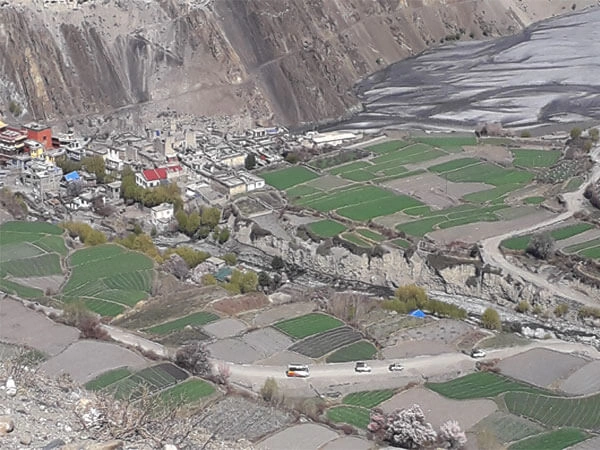
Upper Mustang sits at elevations ranging from roughly 2,800 meters at Kagbeni to over 3,800 meters at Lo Manthang. The terrain is a high-altitude desert with strong afternoon winds, dramatic temperature swings, and limited mobile connectivity. Teahouses exist along the route but vary considerably in quality and availability.
Most trekkers fly from Pokhara to Jomsom on a small Twin Otter aircraft before beginning the trek. These flights follow visual flight rules, meaning cloud cover causes delays. A competent agency builds buffer days into itineraries to account for this.
Key Factors to Choose the Best Trekking Agency for Upper Mustang
Government License and Registration
Before anything else, confirm these two things:
- Nepal Tourism Board (NTB) Registration: The company must hold a valid registration certificate from Nepal's Department of Tourism. This is what makes them legally authorized to submit RAP applications on your behalf.
- TAAN Membership: TAAN membership signals that the agency meets industry standards for safety, fair staff wages, and responsible tourism. If a company cannot produce evidence of both registrations when you ask, stop the conversation there.
Reviews, Reputation, and Experience
Google Reviews and TripAdvisor remain the most reliable public indicators of a company's real-world performance. Look at the total volume of reviews, not just the average score. A company with 400 reviews at 4.7 stars tells a clearer story than one with 12 reviews at 5 stars.
Pay specific attention to reviews that mention Upper Mustang. General trek reviews from Everest or Annapurna do not tell you how a company performs in restricted area trekking. Look for reviews that describe the guide's cultural knowledge, how the company handled permit logistics, what happened when flights were delayed, and how staff treated porters.
Years of experience in Upper Mustang specifically matter. The route changes. Road construction has altered portions of the classic trail since 2020. A company operating in Mustang since before 2015 has navigated several versions of the terrain.
Guide Qualification and Local Expertise
Ask the company directly about your guide's qualifications before booking. Here are some questions worth asking:
- Does the guide hold a current government trekking license?
- How many Upper Mustang treks has the guide completed?
- Does the guide speak Tibetan or have connections with Loba communities?
- Can you know the guide's name before you arrive in Nepal?
The best trekking agency for Upper Mustang hires guides that do more than navigate trails. They translate cultural context, are well educated about local festivals such as Tiji Festival, introduce you to monastery caretakers, explain the significance of a prayer wall or a sky burial site, and know when to push forward and when to stop. They are the difference between seeing Upper Mustang culture and actually experiencing it.
Safety Standards and Insurance
Ask specifically:
- Do guides carry pulse oximeters and basic first aid supplies?
- What is the company's emergency evacuation procedure?
- Are guides covered by insurance for medical and accident emergency
- Are porters insured and given load limits within the 20 to 25 kg range?
Companies that answer these questions with specifics rather than vague reassurances tend to be the ones that have actually had to handle emergencies and learned from them.
Transparent Pricing and Cost Breakdown
A 12 to 15-day Upper Mustang package from a reputable agency typically costs between USD 1,800 and USD 3,000 per person. That range exists because package inclusions vary. A standard all-inclusive package covers:
|
Inclusion |
What to Confirm |
|
All permits (RAP, ACAP, TIMS) |
Confirm permit days match your itinerary |
|
Licensed guide and porter |
Confirm guide-to-trekker ratio |
|
Accommodation (teahouses) |
Confirm twin sharing or dormitory |
|
Meals (breakfast, lunch, dinner) |
Confirm which meals are included |
|
Transport (Jomsom flight or jeep) |
Confirm both ways |
|
Porter insurance |
Confirm company policy |
|
Emergency evacuation plan |
Confirm helicopter rescue access |
Prices significantly below USD 1,500 for a standard package almost always indicate cuts somewhere. Common areas where unethical agencies cut costs: guide insurance, porter wages, teahouse quality, and emergency support.
Communication and Customer Support
Send the company a detailed question before booking. The quality of the response tells you a lot. A serious agency replies with personalized, specific answers within 24 to 48 hours. Copy-pasted responses that do not address your actual questions signal that the company handles volume over attention.
Ask about pre-trek briefings. Good companies schedule a detailed briefing in Kathmandu or Pokhara before departure, covering the itinerary, altitude safety, cultural guidelines, and gear checks.
Red Flags to Avoid When Selecting a Trekking Agency
Unrealistically Cheap Prices
If a company quotes you a complete Upper Mustang package for under USD 1,200 per person, question every line item. Permits alone for a 10-day restricted area stay cost USD 500 (based on USD 50 per day), ACAP adds around USD 23, and domestic flights between Pokhara and Jomsom typically run USD 150 to 200 each way per person. That is already close to USD 900 before a single guide or meal. A suspiciously low price is not a deal; it is a warning.
No Proper License or Documentation
Ask for the company's NTB registration number and TAAN membership number upfront. Legitimate agencies provide this without hesitation. You can verify both through the Nepal Tourism Board's official directory and the TAAN member list. Agencies that stall, deflect, or claim the documents are "on the way" should be avoided entirely.
Poor Communication or Vague Itineraries
An itinerary that says "Day 4: Trek to Mustang" without specifying altitude, accommodation, distance, or meal arrangements is not an itinerary. It is a placeholder. A well-designed Upper Mustang itinerary names every village, every night's accommodation, every meal arrangement, and every permit checkpoint. If the company cannot provide that level of detail before you pay, they are unlikely to provide it once you are on the trail.
Lack of Verified Reviews
Be cautious of companies whose only reviews appear on their own website. Cross-check on TripAdvisor, Google Reviews, and trekking forums like Lonely Planet's Thorn Tree. Look for patterns in negative reviews, particularly around communication failures, hidden costs, and guide experience. A company with consistent praise for a specific guide by name and multiple independent reviews from different years is a strong signal of reliability.
Types of Companies with Upper Mustang Experience
Below is a comparison of three types of trekking agencies known for Upper Mustang treks, based on publicly available information as of 2026.
|
Feature |
Local Provider |
National Provider |
International Provider |
|
Headquarters |
Kathmandu, Nepal |
Kathmandu, Nepal |
Australia / UK (subcontracts to local Nepal operators) |
|
Trek Duration (typical) |
10 to 14 days |
11 to 17 days |
14 to 16 days |
|
Price Per Person |
USD 1,500 to 2,200 |
USD 1,800 to 2,500 |
USD 2,500 to 4,500+ |
|
Cultural Access and Local Knowledge |
Deep, guide has direct community ties in Mustang, long-standing local relationships |
Good, varies by guide assigned |
Variable, depends entirely on local subcontractor quality |
|
Itinerary Flexibility |
High, customizable on request |
Moderate to high |
Low to moderate, fixed group departures |
|
Best For |
Value, cultural depth, direct guide relationship, maximum flexibility |
Structured packages, jeep tour options, slightly more comfort |
Travelers needing international booking security, brand familiarity, or home-country travel insurance compatibility |
All three company types hold NTB registration and TAAN membership. Price differences reflect inclusions, group sizes, and accommodation tier. Always confirm exactly what is included before comparing figures.
Why Index Adventure Could Be the Best Option for You
Index Adventure was not built in a Kathmandu office. The company was founded by Keshab, a trekking professional who spent years working as a porter, guide, and planner before building a company from the footpaths up. That background is not a marketing line; it shapes how every trek gets planned and managed.
Experience That Runs Deep
With over 25 years of operation, Index Adventure has guided trekkers through multiple versions of the Upper Mustang route, including the significant changes brought by road construction in recent years. That length of experience matters in a region that evolves constantly. The company's guides are not just licensed; many have specific, repeated experience in Mustang and maintain real relationships with teahouse families and monastery caretakers in the region.
Guides Who Watch More Than the Trail
Index Adventure treats guide training as ongoing rather than a one-time certification. Their guides monitor walking rhythm, breathing pace, appetite, and mood at altitude, because those signs often indicate the early stages of altitude sickness before a trekker even notices something is wrong. In Mustang, where the nearest hospital is hours away, that level of attention is not optional.
Safety and Insurance, Properly Handled
Index Adventure covers both guides and porters with insurance. Emergency evacuation procedures are established before departure, not improvised on the trail. Guides carry pulse oximeters, and the company maintains contacts for helicopter rescue. Load limits for porters stay within industry standards. And as one of the best trekking agency for Upper Mustang, these are specifics, not assurances.
Reviews Built on Real Experiences
The company appears consistently across traveler forums, Google Reviews, and independent trip reports. What stands out in client feedback is not just praise for logistics but for the personal quality of the guiding; the ability to read a group, adjust the pace, explain local culture without lecturing, and handle unexpected situations calmly. Travellers describe guides by name and return to book again.
Honest, Transparent Pricing
Index Adventure's pricing reflects full inclusions. Permits, flights, accommodation, meals, guide, and porter are accounted for in the package quote. There are no discovery costs that appear after booking.
For travelers looking for a company that combines verified experience, cultural depth, safety accountability, and honest service in one of Nepal's most demanding trekking regions, Index Adventure is a strong starting point for that conversation.
FAQs about Upper Mustang Trek
How do I choose the best trekking company in Nepal?
Start with NTB registration and TAAN membership. Then check independent reviews on Google and TripAdvisor, verify that the company has specific experience on your chosen route, ask about guide qualifications, confirm full pricing transparency, and assess how they communicate in your first inquiry. For restricted areas like Upper Mustang, also verify that the company has direct experience managing RAP permits and handles the two-trekker minimum requirement practically.
Is it safe to book a local trekking agency?
Yes, provided the agency is government-registered and holds TAAN membership. Nepal's trekking industry has hundreds of legitimate, experienced local operators. Local agencies often have advantages over international operators: better teahouse relationships, cultural access, and permit familiarity. The key is verifying credentials, checking independent reviews, and confirming safety protocols before paying a deposit.
Do I need a guide for the Upper Mustang Trek?
Yes. A licensed guide is a legal requirement for Upper Mustang. The Immigration Department mandates it, and army and police checkpoints enforce it throughout the trek. Attempting to enter the restricted zone without a licensed guide results in being turned back. Your trekking agency arranges this as part of the booking process.
How much does a trekking company charge for Upper Mustang?
A standard 12 to 15-day package from a reputable agency costs between USD 1,800 and USD 3,000 per person. This includes the RAP (currently USD 50 per person per day), ACAP permit (approximately USD 30), TIMS card, licensed guide, porter, domestic flights, teahouse accommodation, and three meals per day. Packages priced significantly lower than this range typically exclude critical components.
How early should I book my trek?
Book at least 8 to 12 weeks in advance, especially for spring (April to May) and autumn (September to November) trekking seasons. The Tiji Festival in Lo Manthang, scheduled for May 13 to 15 in 2026, draws significant demand. Flights between Pokhara and Jomsom fill quickly during peak periods, and some teahouses along the route operate at capacity. Booking early also gives your agency time to process RAP permits, which take 4 to 6 hours at the Department of Immigration but require advance paperwork preparation.