Nepal, nestled in the Himalayas, provides a diverse selection of trekking experiences, all of which have their charm and challenges. Upper Mustang, sometimes known as the "Forbidden Kingdom," is a rural region in Nepal's north-central region. With stunning landscapes, historic Buddhist monasteries, and unspoiled Tibetan culture, it has become an attraction of choice for adventurous trekkers looking for an out-of-the-way adventure. The real question is "How diffcult is the Upper Mustang Trek?" and "Is it easy for non- Nepalese to enter the Upper Mustang?"
The Upper Mustang Trek is generally classified as a moderate difficulty trek, suitable for hikers with reasonable fitness. While it reaches altitudes around 3,800–4,200m, it is less strenuous than Everest Base Camp. Challenges include walking 5–7 hours daily through arid, windy, and high-altitude desert terrain.
Upper Mustang Trek differentiates among the many trekking destinations as an exceptional and mysterious journey. However, it is reasonable to be concerned about the safety of this experience before beginning on it, we will look at the safety features of the Upper Mustang trek, including the breathtaking vistas and the precautions taken to guarantee trekkers' safety.
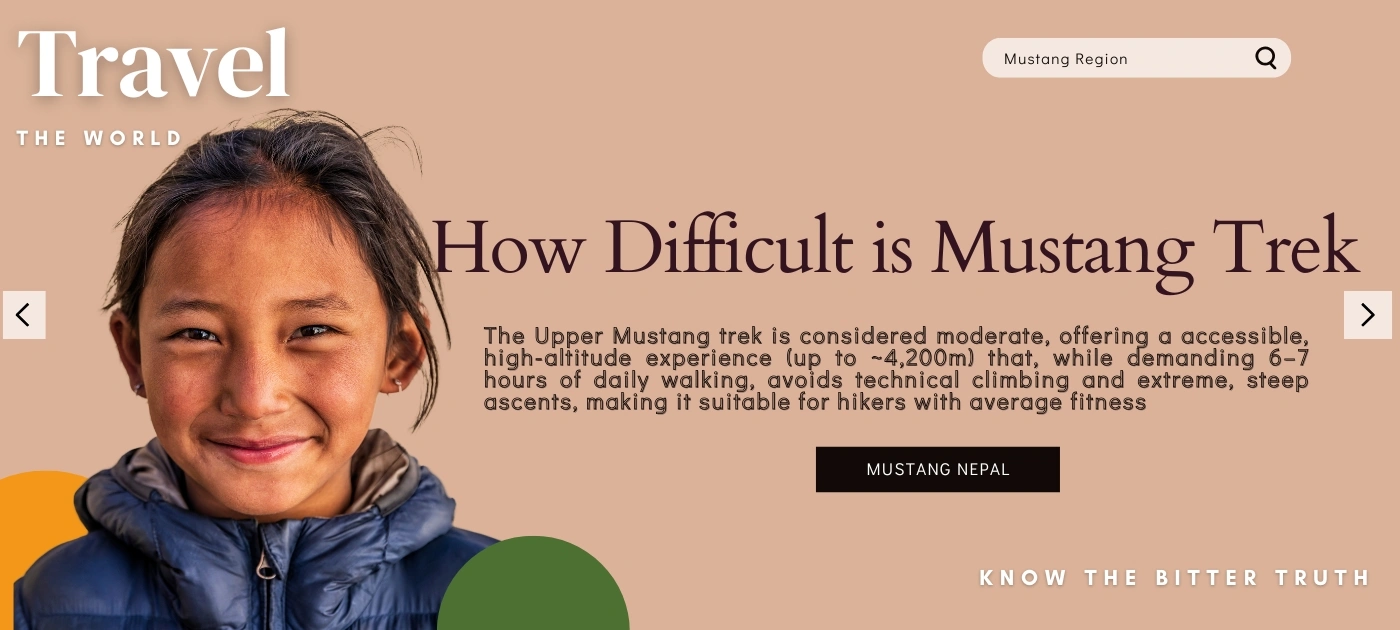
How Difficult is Upper Mustang Trek?
The difficulty rating of the journey in Upper Mustang Trek is determined by the following factors:
Altitude sickness:
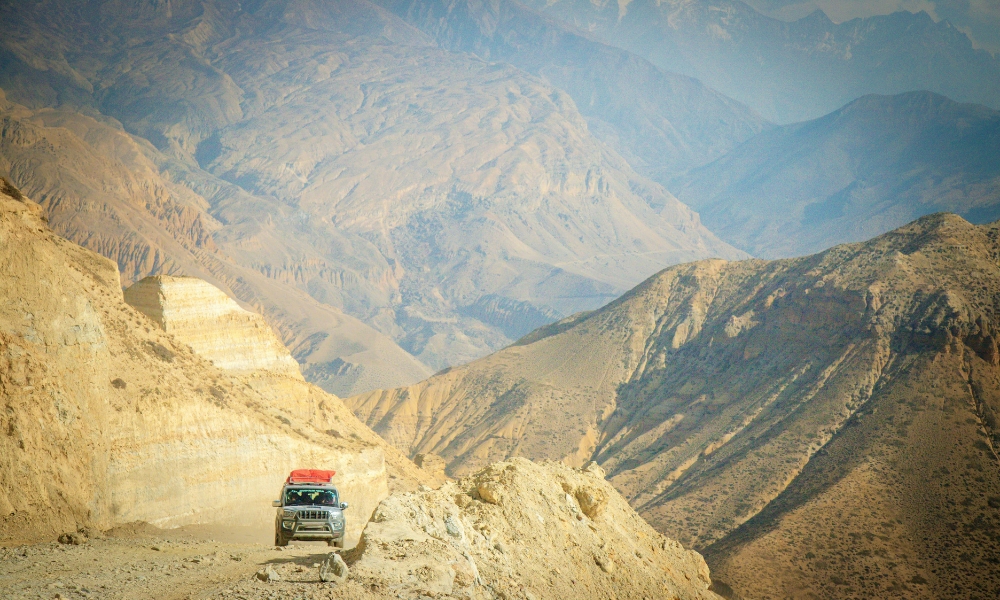
The high altitude is considered to be one of the most difficult aspects of the Upper Mustang Trekking. Upper Mustang is located below 4000m, making the walk more manageable than other high-altitude hikes. The highest point of the hike is 3800m at Lo Manthang. Despite its low elevation, the travel to Mustang is challenging.
Altitude sickness is a condition that can be caused by high altitude. Altitude sickness can occur above an altitude of 2500m. The lower the level of oxygen, the more difficult it is to breathe. If the symptoms are seen then one must apply preventive measures such as acclimatization, staying hydrated, taking Diamox tablets, and so on.
Walking duration:
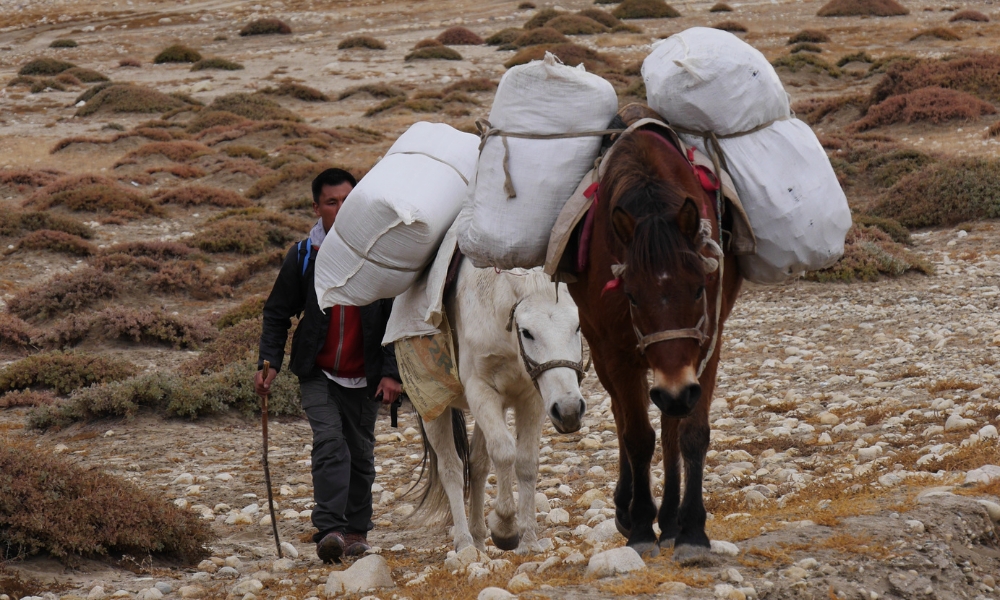
The Upper Mustang trek is difficult due to its 12–15 day duration, driven by long, 5–7 hour daily walks in a high-altitude, arid desert with constant, strong afternoon winds. The remote terrain requires slow, steady acclimatization to altitudes up to 3,800–4,200m, while rough, steep, and, at times, dangerous cliff-side trails exhaust trekkers, making the long, consecutive trekking days strenuous.
- Long Daily Walks: Trekkers must cover 15-20 km daily, navigating continuous, steep ascents and descents through rocky, sandy terrain.
- Acclimatization Requirements: Although the max altitude is under 4000m, the rapid journey from lower elevations requires at least 1-2 rest/acclimatization days in places like Lo Manthang to manage the risk of acute mountain sickness (AMS).
- Environmental Challenges: The region is a high-altitude desert prone to extreme, cold afternoon winds and scorching, direct sun, reducing energy and making long days physically exhausting.
- Remote Logistics & Trail Conditions: The "forbidden kingdom" requires specialized permits and is, in some areas, being transformed by new, rugged, and sometimes narrow, cliff-side roads, complicating the trekking path.
- Unpredictable Infrastructure: Flight delays in Jomsom due to weather can extend the total trip duration unexpectedly.
Walking at a greater altitude is unquestionably more difficult than walking at a lower height. As a result, you must prepare yourself to acclimate to the high altitude. This greatly simplifies your journeys. The journey to Upper Mustang Trek is not tough to complete.
Weather and Temperature:
The best opportunity to visit Upper Mustang is from Spring to November. During this time, the weather conditions are dry, bright, and warm, making it ideal for traveling and acclimatizing the region. The daytime temperature is typically around 20°C, while the nighttime temperature can be quite chilly, around 5°C. The various seasons and weather conditions you can anticipate during your visit are discussed below.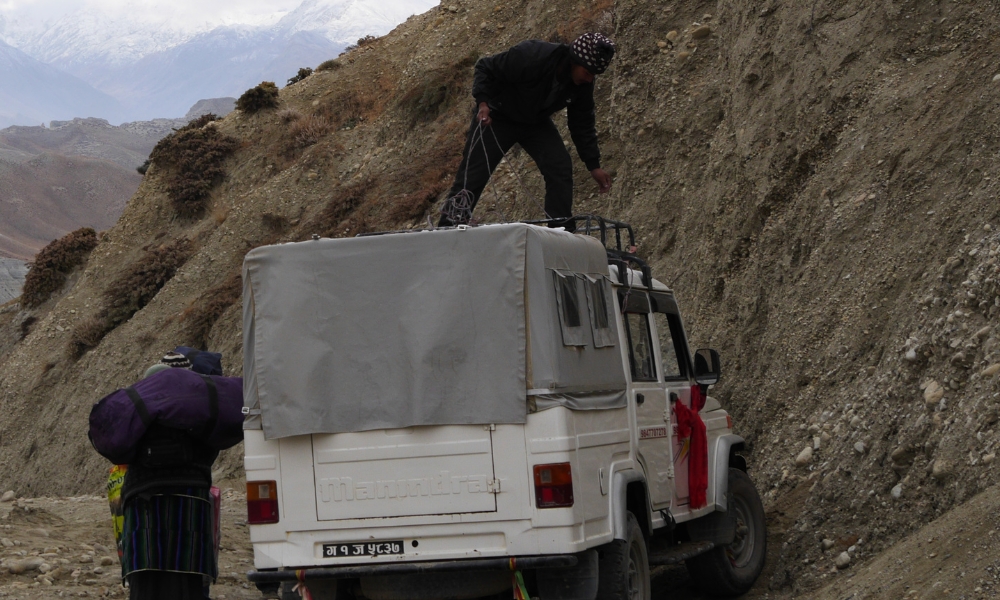
Upper Mustang Trek, like every other trek of Nepal, has four seasons. These seasons have a significant impact on the difficulty of any expedition.
Upper Mustang in spring
The spring season is ideal for an upper Mustang trek. During the spring season, the average temperature ranges from 16 to 22 degrees Celsius during the day and -6 to 2 degrees Celsius at night. This season provides a beautiful and clear picture of the Alps and the Himalayas. The spring season draws a large number of visitors. Tourists can attend the main Upper Mustang Tiji celebration during this season.
Upper Mustang in Summer
The Annapurna range casts a rain shadow on Upper Mustang. As a result, it receives only infrequent rain during the summer/monsoon season. The weather here is mild at the moment. During this season, the temperature ranges from 13 to 20 degrees Celsius during the day and descends to -3 to 0 degrees Celsius at night.
Upper Mustang in Autumn
The autumn season provides excellent visibility of breathtaking landscapes and mountains. The temperature ranges from 12 to 20 degrees Celsius during the day and -8 to -4 degrees Celsius at night.
Upper Mustang in Winter | How difficult is it to trek Upper Mustang in the cold season?
The 15 -days Upper Mustang Trek sees considerable snowfall during the winter season. The temperature ranges between -25 and -20 degrees Celsius at night and 0 to 5 degrees Celsius during the day. During the winter, this region goes into hibernation, making the excursion difficult. In this season, a traveler should be well-equipped and have the appropriate gear.
Physical and mental fitness:
Physical and mental fitness are the most important factors to consider when trekking. If you are not in good physical or mental health, the journey may be more perilous. A couple of months of regular walking or jogging before the race is a terrific way to get in shape for Upper Mustang Trekking. It increases stamina to combat shortness of breath and high altitude, making the walk simpler.
Meditation to monitor the breathing process can help reduce mental and physical stress and suffering. If you have a pre-existing heart, blood pressure, or lung issue, you should consult your doctor before embarking on the trek. You will discover the trek is a lot easier than the others if you are physically and mentally healthy.
Landscapes:
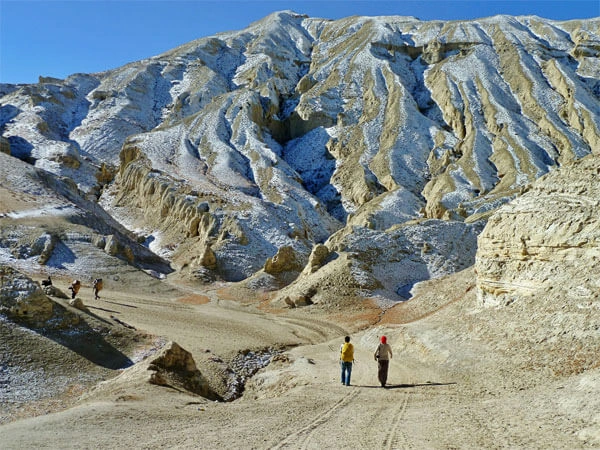
Upper Mustang Trek, like most Himalayan treks, is full of ups and downs. This journey has very few flat stretches. The walking routes or route of the Upper Mustang Trek are signposted, so you may expect frequent ascents and descents. Historically, this route was used for salt trafficking. When it comes to terrain, it has a reasonable level, albeit it isn't as smooth as city highways.
If you want a bit more excitement, you could ask your guide to lead you down off-beaten paths; however, be sure that you have a trained and certified guide with you to ensure your safety. Early trek preparation is strongly advised for less challenging trekking.
Remoteness:
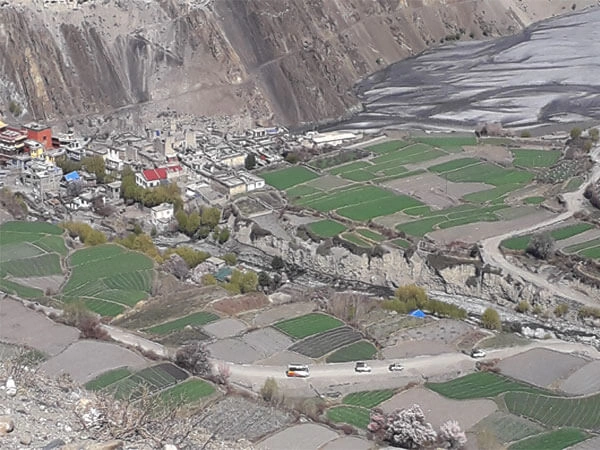
Upper Mustang Trek is an entirely novel journey for foreigners that began in 1992. Despite the region's remoteness, there are numerous tea houses and homestays with neat and sanitary shared rooms. There are other places to drink and dine in the villages throughout the way.
When the altitude is taken into account, the services provided in these locations are satisfactory. You can use your cell connection with any network difficulty in this late banned Kingdom, and certain sites even offer wifi connection.
However, you should not expect any luxurious amenities in this location because the people here appreciate and adhere to their culture and traditions without incorporating any Western culture into their lives. They have kept their authentic way of living.
Is it easy for non- Nepalese to enter the Upper Mustang?
Visiting Upper Mustang as a non-Nepalese has its unique set of considerations. The region is classified as a restricted area, requiring a special permit known as the Restricted Area Permit (RAP). To receive this permission, tourists must follow specific regulations.
As per the latest updates from 2026, solo trekking is now allowed in restricted areas; however, obtaining permits still involves official procedures, and many travelers prefer to hire a registered trekking organization or professional guide for a smoother and more organized experience.
There are also financial concerns to consider, as Upper Mustang permits and costs are higher than in other trekking regions of Nepal. Seasonal limitations also apply, since extreme weather conditions make certain months less suitable for travel.
How to Prepare for Upper Mustang Difficulty?
Preparing for the Upper Mustang trek requires 2–3 months of cardio training (jogging, hiking) to manage 5-6 hours of daily walking at altitudes up to 4,320 m. To reduce difficulty, build mental resilience, carry proper gear for high winds/sun, stay hydrated (4-5 liters daily), and acclimatize properly in Lo Manthang.
How to Prepare (Physical & Mental)
- Cardiovascular Training: Perform hiking, jogging, cycling, or stair climbing 45-60 minutes daily to increase endurance and manage high-altitude breathing.
- Strength Training: Focus on leg and core workouts to manage trekking on rugged, steep trails.
- Practice Hikes: Train by walking with a weighted backpack to simulate daily walking loads.
- Mental Preparation: Prepare for long, sometimes solitary, days, focusing on a steady pace rather than rushing.
How to Reduce Difficulty
- Acclimatization: Include at least two nights in Lo Manthang to allow your body to adapt to the altitude, avoiding Acute Mountain Sickness (AMS).
- Start Early: Start trekking early in the morning to avoid the strong afternoon winds and sun.
- Hydration & Hygiene: Drink 4-5 liters of water daily and avoid alcohol and nicotine to minimize risk of altitude sickness.
- Proper Gear: Use trekking poles, wear layers for unpredictable weather, and use sun protection (hat, sunscreen) for the high-altitude sun.
- Pack Light: Avoid overloading your bag to make trekking easier over hilly terrain.
- Get Proper Permits: The trek requires special Restricted Area Permits (RAP) through a registered agency, with a minimum of two trekkers.
Safety Measures
- Hire a Guide: Use a local guide for safety and deeper cultural understanding.
- Insurance: Ensure your travel insurance covers high-altitude emergency evacuation
Frequently Asked Questions About Upper Mustang Trek Difficulty
How high is the Upper Mustang Trek? Is it tough for beginners?
The Upper Mustang trek typically reaches a maximum altitude of around 3,800 to 3,950 meters (12,467 to 12,959 feet) at Lo Manthang, the ancient walled capital. Some higher points on the trail, such as near Dhakmar or high passes like Nyi La, can reach over 4,000 meters, with some routes crossing points near 4,200 meters.
Is it okay for beginners to join Upper Mustang Trek in Nepal?
Yes, beginners can undertake the Upper Mustang trek, as it is classified as a moderate-level trek rather than a technical or strenuous climb. It is a safe and accessible option for novices with reasonable fitness, as it does not involve extremely high altitudes or difficult technical ascents.
What is the total distance of Upper Mustang?
The total trekking distance for the standard Upper Mustang trek is approximately 120 to 145 kilometers (75 to 90 miles) round-trip, starting and ending in Jomsom. The journey usually takes 10 to 14 days, with daily walking covering around 10–12 kilometers or 5–7 hours of hiking through high-altitude arid landscapes.
What are the difficulty factors of the Upper Mustang trek?
- Altitude and Acclimatization: The trek reaches heights over 3,800m, with the highest point (Marang La) reaching 4,230m, which can trigger Acute Mountain Sickness (AMS).
- Rugged and Exposed Terrain: The trail involves consistent walking on steep, rocky, and dusty paths through the arid, desert-like landscape of the Tibetan Plateau.
- Weather Conditions: Strong, high-speed winds, particularly in the afternoon, and extreme sunshine are common.
- Remoteness and Infrastructure: As a restricted area, amenities are basic. Accommodation consists of teahouses with limited facilities, and there is a lack of advanced medical facilities
- Long Walking Hours: The 17–18 day itinerary requires consistent daily trekking (5–7 hours) on difficult terrain.
- Narrow Trails & Wind: Sections of the trail, especially near the Kali Gandaki Gorge, are steep and exposed.
When is the challenging time to trek to Upper Mustang?
The most challenging time to trek Upper Mustang is winter, specifically December through February, due to extreme cold, heavy snow, and limited services. Temperatures can drop to (-20 degree Celsius), and snow can block trails. While Upper Mustang is in a rain shadow, monsoon season (June to August) can be challenging due to, at times, difficult access to the region.
Why choose the Upper Mustang Trek in Nepal?
The Upper Mustang trip is a one-of-a-kind and captivating adventure for anyone interested in exploring Nepal's rich cultural and natural history. While no excursion is completely risk-free, Upper Mustang is generally regarded as a safe destination. Controlled access, a low crime rate, skilled guides, and well-maintained trails all contribute to the safe hiking experience in the region. However, it is critical to adequately prepare, select a trustworthy trekking service, and follow the advice of experienced professionals.
To wrap up
Remember that trekking in Upper Mustang is about more than just admiring the scenery; it is also about respecting the local culture and environment. We can secure the continued beauty of this wonderful place for future generations by sticking to the standards and laws. So pack your bags, tie up your boots, and prepare to travel to the mythical kingdom of Upper Mustang, a place where adventure connects to tranquillity.