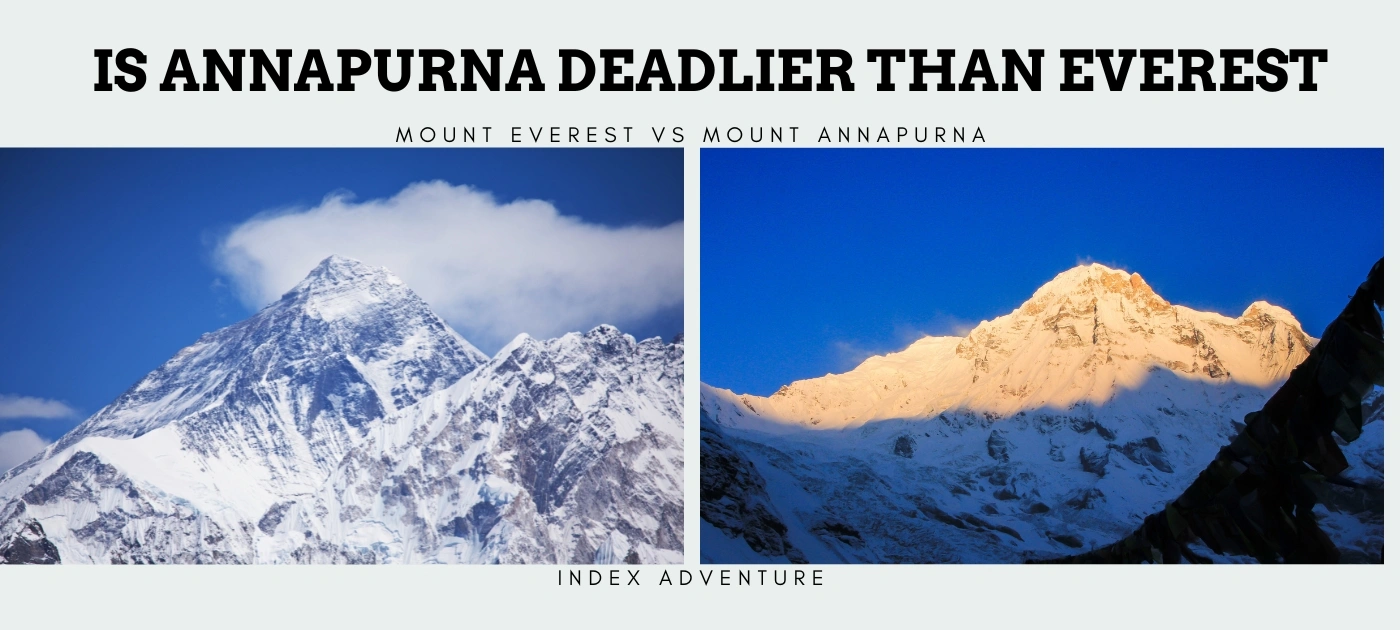
Annapurna I or Mount Everest: Which one is more dangerous?
Annapurna I is significantly deadlier than Mount Everest. That surprises most people, and it makes sense why. Everest is taller, more famous, and every death on it makes international news. But fame and danger are not the same thing.
The numbers make it clear. Annapurna I carries a historical fatality rate between 25% and 32%, meaning roughly one in three to four climbers did not survive. Everest's modern fatality rate sits between 1% and 4%. That is not a small gap.
The reasons come down to terrain, technicality, and infrastructure. Annapurna's slopes are brutally steep and avalanche-prone, with constant serac collapses, rockfalls, and deep crevasses that no route fully avoids. Its technical difficulty far exceeds Everest's standard routes, and its weather shifts faster than any forecast reliably tracks. Everest, by contrast, has decades of commercial infrastructure behind it. Fixed ropes, Sherpa support teams, and established logistics have made it a mountain where preparation genuinely reduces risk. Annapurna offers none of that at scale.
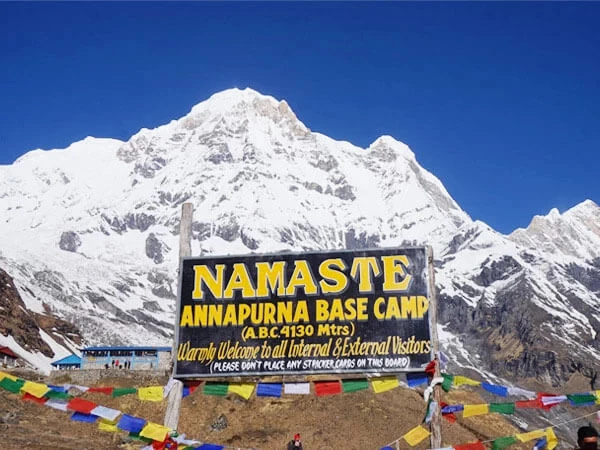
By the end, you will know exactly why Annapurna's death rate dwarfs Everest's, what specific conditions make it so unforgiving, and what it actually means for anyone planning a Himalayan adventure, whether that means summiting an eight-thousander or trekking to Annapurna Base Camp.
What this guide covers:
- The verified fatality rate comparison between Annapurna I and Everest
- Why Annapurna's terrain kills experienced climbers, not just beginners
- What makes Everest relatively safer in the modern era
- The role of avalanches, weather, and infrastructure in the death toll difference
- What this means practically if you are planning any trip to the Annapurna or Everest region
Annapurna vs Everest Death Rate: The Numbers Explained
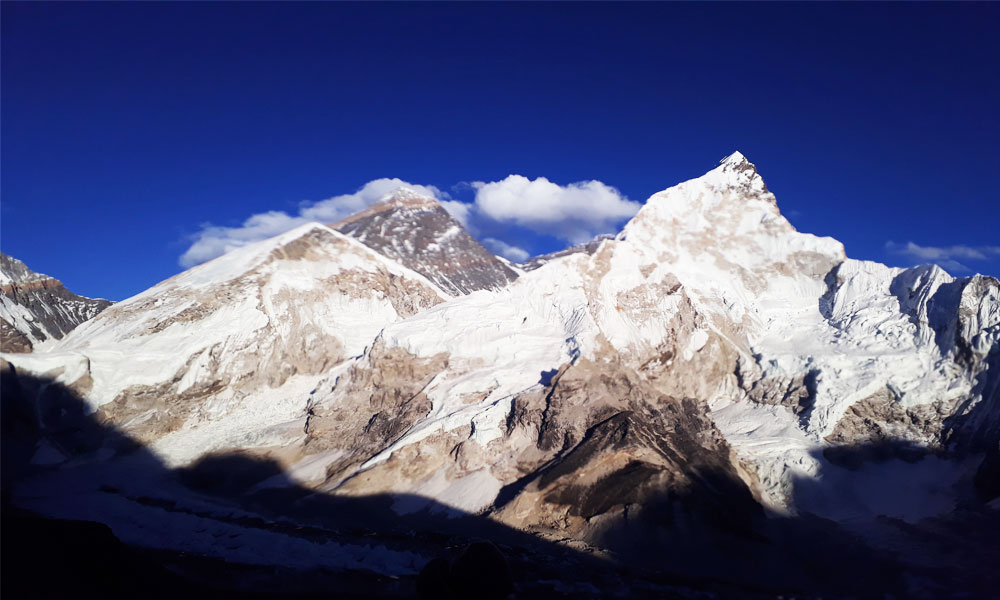
Annapurna I has a higher fatality rate than Mount Everest by a significant margin, and the data from the Himalayan Database makes this impossible to dispute. As of 2026, Annapurna I has recorded approximately 365 successful summits against roughly 72 deaths, producing a historical fatality rate that has hovered between 18% and 32% depending on the time period measured.
Everest tells a dramatically different story. With over 11,000 successful summits recorded and approximately 340 deaths as of May 2024, Everest's fatality rate in the modern commercial era sits between 1% and 2%. That is not a minor gap. It is the difference between a mountain where roughly one in five attempts ends in death and a mountain where roughly one in seventy does.
To put that into a framework that actually registers: if 100 climbers attempted Annapurna I under historical averages, approximately 20 to 32 of them would not come home. The same 100 climbers on Everest's standard Southeast Ridge route in the current era would lose one to two.
Why the Fatality Rate Matters More Than the Total Death Count
Total deaths are a misleading metric when comparing mountains with vastly different traffic volumes. Everest attracts hundreds of climbers every spring season. Nepal issued 381 climbing permits for Everest in 2019 alone, according to Nepal's Department of Tourism. Annapurna I, by contrast, sees a fraction of that traffic, often fewer than 30 to 50 attempts in a given year.
When you control for attempt volume, Annapurna I is not just slightly more dangerous than Everest. It is categorically more lethal per attempt. This is why mountaineering statisticians and organizations like the Himalayan Database consistently rank Annapurna among the most dangerous eight-thousanders ever climbed, alongside K2 and Nanga Parbat.
Why Annapurna Kills More Climbers Per Attempt
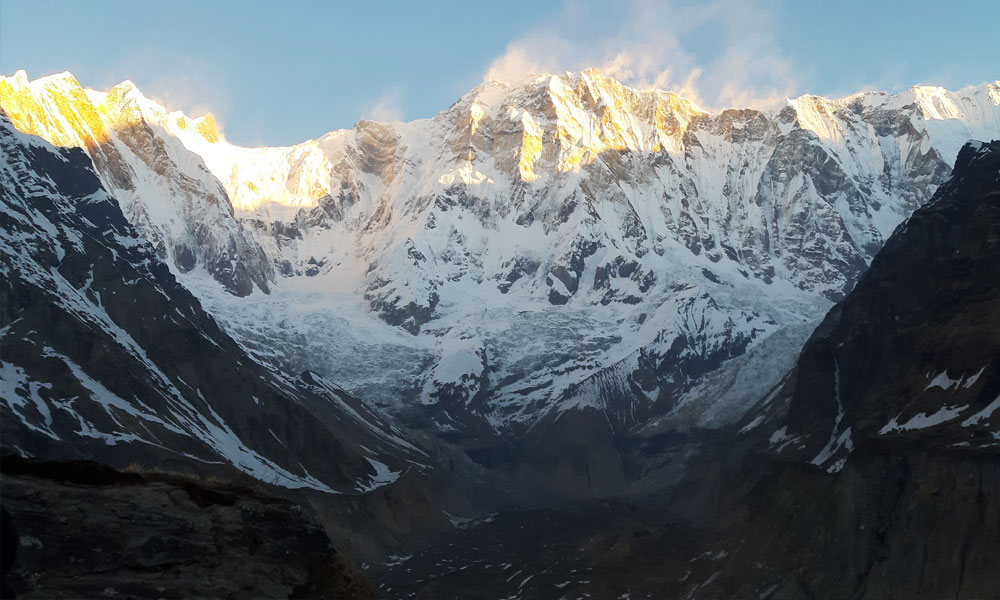
Annapurna I is more dangerous than Everest because of a combination of factors that compound each other: avalanche-prone terrain, extreme technical difficulty, unpredictable weather patterns, and a near-total absence of the commercial infrastructure that has made Everest relatively manageable in the modern era.
These are not abstract risks. They are specific, documented, and in many cases unavoidable regardless of a climber's experience level. Understanding them changes how you think about Himalayan risk entirely.
Technical Difficulty Far Beyond the Standard Everest Route
The standard Southeast Ridge route on Everest is genuinely demanding. It requires stamina, altitude tolerance, and experience with high-altitude conditions. But it is not technically complex in the way that Annapurna's routes are. Fixed ropes cover most critical sections. Ladders cross the Khumbu Icefall. Hundreds of Sherpas work the route each season, improving conditions and providing support at every camp.
Annapurna I has no equivalent infrastructure. Its routes, particularly the north face and the notorious south face, require advanced technical climbing skills. The south face of Annapurna, first climbed in 1970 by Don Whillans and Dougal Haston as part of a British expedition led by Chris Bonington, is considered one of the most difficult and dangerous climbs in the world. It rises 3,000 meters in near-vertical terrain, with almost no flat ground, no established fixed-rope highways, and constant exposure to falling ice and rock.
Even the relatively more accessible north face route demands a level of technical skill and risk tolerance that places it well beyond what most Everest climbers encounter. There are no rest days at comfortable intermediate camps with hot tea and communication services. There is just the mountain.
Weather Windows Are Narrower and Less Predictable
Everest benefits from relatively well-understood seasonal weather patterns. The pre-monsoon spring window, roughly from late April through late May, provides a consistent period when the jet stream shifts northward, reducing summit winds to manageable levels. Modern meteorological services, including specialist forecasting companies used by commercial expeditions, can predict summit windows with increasing accuracy. Teams time their summit pushes accordingly.
Annapurna's weather is structurally less predictable. The mountain's geography, sitting in the Gandaki Province of north-central Nepal at 8,091 meters, creates localized wind patterns and storm development that can shift within hours. Climbers who have summited Annapurna consistently describe conditions changing faster than any forecast suggested. The Wilderness Medical Society's guidelines on high-altitude expedition planning specifically note that terrain-driven weather variability significantly increases risk on peaks with complex massif topography, a description that fits Annapurna precisely.
What this means practically: a climber on Everest who monitors weather forecasts carefully and waits for a confirmed window has a reasonable chance of making the summit push in safe conditions. A climber on Annapurna faces a mountain that can produce lethal conditions faster than retreat becomes possible.
Limited Rescue Infrastructure Changes Everything
On Everest, commercial expedition infrastructure has quietly transformed rescue capability. Satellite phones, helicopter landing zones at high camps, experienced Sherpa teams capable of high-altitude rescue, and well-established relationships with helicopter evacuation companies in Kathmandu mean that a climber in distress below the death zone has a realistic chance of being brought down alive.
Annapurna offers none of this at scale. The lower traffic volume means fewer teams on the mountain at any given time, reducing the chance that nearby climbers can assist. The technical terrain limits helicopter access to lower elevations. The unpredictable weather restricts rescue windows. And the avalanche risk means that sending a rescue team up the mountain may simply produce additional casualties.
This infrastructure gap is not a solvable problem in the near term. It is a structural feature of what Annapurna is: a mountain that was, and remains, at the extreme edge of what humans can attempt.
The Avalanche Factor: Annapurna's Biggest Threat
Avalanches are the leading cause of death on Annapurna I, and understanding why requires understanding something about the mountain's physical structure that goes beyond what most comparison articles explain.
Annapurna I is the tenth highest mountain in the world at 8,091 meters, sitting within the Annapurna Conservation Area, the largest conservation area in Nepal at 7,629 square kilometers. Its summit consists of Ordovician limestone from the Nilgiri Formation, layered over steeply tilted sedimentary rock structures that dip northward. This geological structure, combined with the massif's positioning relative to prevailing Himalayan weather systems, creates conditions where snow accumulates rapidly on steep slopes and releases without warning.
Why Annapurna's Avalanche Risk Cannot Be Managed Like Everest's
On Everest, the primary avalanche zone that kills climbers is the Khumbu Icefall, a chaotic section of moving glacier between Base Camp and Camp I on the Southeast Ridge. This danger is well-understood, well-documented, and partially managed. Icefall doctors, typically teams of experienced Sherpas, work each season to install ladders and fixed ropes through the safest available path. Climbers cross it in the early hours of the morning when cold temperatures stabilize the ice. Deaths still happen. But the risk is bounded and partially predictable.
Annapurna's avalanche risk is neither bounded nor predictable in the same way. The entire mountain functions as an avalanche generator. Its steep faces collect snow from storms that move through the region faster than teams can respond. The documented history of Annapurna expeditions includes multiple instances of entire camps being swept away, not just individual climbers caught in isolated slides.
The 2014 snowstorm near Annapurna and Dhaulagiri, which killed at least 43 people, most of them trekkers on the Annapurna Circuit rather than summit climbers, illustrates how broadly and suddenly Annapurna's weather and avalanche danger can extend. That event was not caused by a technical climbing mistake. It was caused by the mountain's fundamental nature.
What Experienced Climbers Say About Annapurna's Avalanche Character
Climbers who have attempted Annapurna I consistently describe the avalanche risk as qualitatively different from other eight-thousanders. The issue is not simply that avalanches happen more frequently. It is that they happen in zones that cannot be avoided on any viable route. You cannot route-find around the primary avalanche corridors on Annapurna the way you can position yourself away from the most active seracs on other peaks. The exposure is structural.
Anatoli Boukreev, one of the most accomplished high-altitude mountaineers in history and a man with a documented record on multiple eight-thousanders, died on Annapurna I on December 25, 1997, when an avalanche struck during a winter attempt on the south face. His death is significant not because exceptional climbers die on mountains, but because it illustrates that Annapurna's avalanche danger operates outside the range of skill-based mitigation. Boukreev was not caught due to inexperience. He was caught because Annapurna is that kind of mountain.
What Makes Everest Dangerous Despite Lower Death Rates
Everest's lower fatality rate is real, but it does not mean Everest is safe. Understanding what actually kills climbers on Everest is essential context for anyone considering either peak, or for trekkers trying to assess their own risk when visiting the Everest region.
As of May 2024, 340 people have died on Everest. Over 200 bodies remain on the mountain, unable to be removed due to the extreme conditions above 8,000 meters. The death zone, the region above 8,000 meters where atmospheric pressure drops to approximately one-third of sea level pressure, is where the majority of Everest fatalities occur.
The Death Zone: What Happens to the Human Body Above 8,000 Meters
At the summit of Everest, a climber is breathing air with roughly one-third the oxygen available at sea level. Blood oxygen saturation, which sits at 98% to 99% at sea level, drops to dangerous levels even with supplemental oxygen. Without supplemental oxygen, a sea-level dweller exposed to summit conditions would lose consciousness within two to three minutes.
The physiological effects cascade quickly. Exhaustion accelerates. Decision-making deteriorates in ways the climber often cannot detect. Frostbite develops on exposed skin within minutes in high winds. Acute Mountain Sickness (AMS), High Altitude Cerebral Edema (HACE), and High Altitude Pulmonary Edema (HAPE) are all potential killers. HACE causes swelling of the brain. HAPE fills the lungs with fluid. Both can progress from early symptoms to death within hours if descent does not happen immediately.
Everest's death zone is genuinely lethal. What separates it from Annapurna in fatality rate terms is not that Everest's dangers are minor. It is that Everest's dangers are relatively well-understood, partially manageable with supplemental oxygen and commercial support infrastructure, and concentrated in areas that climbers can navigate with preparation.
Overcrowding: Everest's Modern Danger
A distinctly modern threat on Everest is overcrowding. In May 2019, images of climbers queuing in a line stretching hundreds of meters below the Hillary Step became international news. That season, 11 climbers died, with delays from overcrowding cited as a contributing factor. Climbers waiting at altitude exhaust their supplemental oxygen faster than planned. They miss their turnaround times. They descend in deteriorating weather.
Nepal issued 408 climbing permits for Everest in 2021, the current record. The commercial model that has made Everest accessible to a wider range of climbers has also introduced risks that have no equivalent on Annapurna, where the mountain's difficulty ensures that traffic remains sparse.
In April 2025, Nepal introduced a new regulation requiring climbers to have previously summited at least one 7,000-meter peak within Nepal before obtaining an Everest permit, scheduled to take effect from the Spring 2026 climbing season. This regulatory shift acknowledges directly that overcrowding and inexperience have become measurable contributors to Everest's death toll.
Current Statistics: What the 2026 Data Shows
The most current available data from the Himalayan Database and Nepal's Department of Tourism confirms the fundamental gap between Annapurna and Everest fatality rates, while also showing meaningful recent changes.
| Metric |
Annapurna I |
Mount Everest |
| Height |
8,091m (26,545 ft) |
8,848.86m (29,031 ft) |
| First Ascent |
June 3, 1950 |
May 29, 1953 |
| Total Successful Summits (to 2026) |
~365 |
~13,000+ |
| Total Deaths (to 2026) |
~72 |
~340+ |
| Historical Fatality Rate |
~32% |
~3.3% |
| Modern Fatality Rate (2012-2026) |
~18-20% |
~1-2% |
| Primary Cause of Death |
Avalanche |
Altitude/Exhaustion |
| Annual Attempts (approx.) |
30-50 |
300-500+ |
| Fixed Rope Infrastructure |
Minimal |
Extensive |
| Commercial Guiding Level |
Very Low |
Very High |
The reduction in Annapurna's fatality rate from 32% historically to approximately 18% to 20% in recent years reflects improved weather forecasting, better equipment, and more selective expedition planning rather than any reduction in the mountain's fundamental danger. Everest's rate has declined for similar reasons, amplified by the scale of commercial infrastructure investment.
Both trends are real. Neither erases the fundamental gap.
Annapurna vs Everest: Side-by-Side Comparison
| Factor |
Annapurna I |
Mount Everest |
| Fatality Rate (Modern) |
18-20% |
1-2% |
| Technical Difficulty |
Extreme |
Moderate (standard route) |
| Avalanche Risk |
Very High |
Moderate (Khumbu Icefall) |
| Weather Predictability |
Low |
Moderate |
| Rescue Infrastructure |
Minimal |
Extensive |
| Annual Climber Traffic |
Very Low |
Very High |
| Commercial Expeditions |
Rare |
Common |
| Altitude (Summit) |
8,091m |
8,848m |
| Death Zone Exposure |
Yes |
Yes |
| Recommended Experience |
Elite only |
Advanced to elite |
Which Mountain Should You Actually Attempt Everest or Annapurna?
The honest answer is that Annapurna I is not an appropriate objective for anyone below the elite tier of high-altitude mountaineering. This is not gatekeeping. It is what the data and the mountain's history require any responsible operator to say.
Annapurna I should only be attempted by climbers who have completed multiple eight-thousander expeditions or who have extensive technical climbing experience on peaks above 7,000 meters, understand avalanche dynamics at an expert level, are psychologically prepared for objective danger that cannot be fully mitigated, and are working with an experienced expedition operator with specific knowledge of Annapurna's routes and conditions.
Everest, by contrast, is accessible to well-prepared non-professional climbers who have followed a structured high-altitude progression, typically involving peaks like Island Peak (6,189m) or Mera Peak (6,476m) in Nepal, followed by a seven-thousander, and then the acclimatization and preparation process specific to Everest. The new Nepal regulation requiring a prior 7,000-meter summit before obtaining an Everest permit formalizes what experienced operators have always recommended.
The Risk Matrix for Non-Professional Climbers
If you are an experienced trekker or amateur mountaineer evaluating your options for a Himalayan objective, the decision framework looks like this. For Everest, structured commercial expedition with certified guides, progressive altitude training, and proper acclimatization gives a physically fit and well-prepared person a realistic chance of success with managed risk. For Annapurna I, no commercial expedition framework reduces the objective danger to a level appropriate for non-elite climbers. The avalanche risk and technical terrain exist independent of guide quality and preparation level.
This distinction matters because it shapes what kind of trip makes sense for the vast majority of people drawn to Nepal's highest peaks.
Ready to explore the Annapurna region safely? Index Adventure designs treks for real ability, not assumptions. Our team has walked every route in every season. Explore the Annapurna Circuit and Annapurna Base Camp treks and talk to us about what fits your level.
What This Means for Trekkers, Not Just Climbers
Most people researching the Annapurna versus Everest danger question are not planning to summit either peak. They are trekkers, travelers, and adventure seekers trying to understand the region they are visiting, assess their own safety, and make an informed choice between two of the most iconic trek routes in the world: the Annapurna Circuit or Everest Base Camp.
For trekkers, the danger comparison shifts entirely. Trekking to Annapurna Base Camp or completing the Annapurna Circuit does not involve the summit routes that produce Annapurna I's lethal statistics. Similarly, trekking to Everest Base Camp does not involve the death zone or the technical climbing sections where Everest's fatalities occur.
Annapurna Circuit: What Trekkers Actually Face
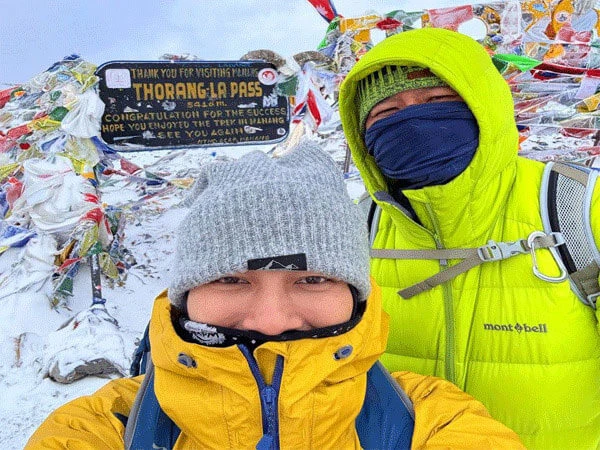
The Annapurna Circuit is one of the great long-distance treks in the world. It circles the entire Annapurna massif, crossing the Thorong La pass at 5,416 meters, the highest point on the route. The pass itself demands respect. Most experienced trekkers cross it by 8:00 AM because wind conditions on Thorong La shift and intensify through the late morning, making the crossing significantly harder and potentially dangerous for groups that start late. This is not information you will find on every trekking website. It comes from walking the route repeatedly across different seasons.
The 2014 snowstorm that killed 43 people near Annapurna and Dhaulagiri is a sobering reminder that trekking in this region is not risk-free. That event occurred primarily on the Thorong La section of the Circuit during an unexpected early-season storm. Proper acclimatization, weather monitoring, and a guide with real route knowledge are not optional on this trek. They are the difference between a transformative experience and a dangerous situation.
Trekkers should also know that altitude sickness risk on the Annapurna Circuit is genuine above 3,500 meters. The Wilderness Medical Society and travel medicine practitioners recommend ascending no more than 300 to 500 meters per day above 3,000 meters, with a rest day for every 1,000 meters gained. A guide who monitors oxygen saturation daily, as Index Adventure's guides do on every trek, provides a layer of safety that goes well beyond route knowledge alone.
Everest Base Camp: What Trekkers Actually Face
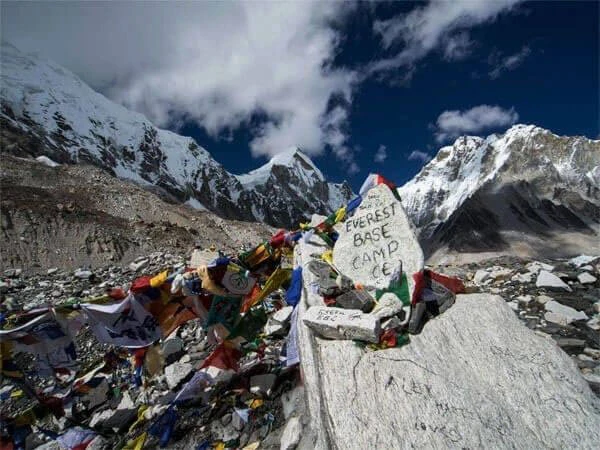
The Everest Base Camp trek reaches 5,364 meters at Base Camp and 5,545 meters at Kala Patthar, the viewpoint above Base Camp that gives trekkers the most celebrated view of Everest's upper slopes. At these altitudes, AMS is a genuine risk. Headaches, nausea, fatigue, and sleep disruption are common. More serious symptoms, including the early stages of HACE or HAPE, require immediate descent.
The standard route from Lukla to Base Camp takes roughly 12 to 14 days, including necessary acclimatization stops at Namche Bazaar and Dingboche. This pacing is not optional. It is physiologically necessary. Trekkers who try to move faster than their bodies can adapt are the ones who get evacuated by helicopter, a costly and avoidable outcome.
For trekkers from Europe, the journey typically involves flying into Kathmandu, then taking a domestic flight to Lukla at 2,860 meters, followed by the approach trek. Connecting flights through Dubai, Doha, or Amsterdam hubs are common entry points, and visa arrangements for EU and UK citizens involve obtaining a Nepal tourist visa on arrival at Tribhuvan International Airport or in advance online.
Comparing the Two Trekking Experiences
| Factor |
Annapurna Circuit |
Everest Base Camp |
| Maximum Altitude |
5,416m (Thorong La) |
5,545m (Kala Patthar) |
| Duration |
12-21 days |
12-16 days |
| Daily Walking |
5-8 hours |
5-7 hours |
| Technical Difficulty |
Moderate-Challenging |
Moderate |
| Best Season |
March-May, Oct-Nov |
March-May, Oct-Nov |
| Permit Requirements |
ACAP + TIMS |
Sagarmatha NP + TIMS |
| Starting Point |
Besisahar / Chame |
Lukla (fly from Kathmandu) |
| Infrastructure |
Good tea houses throughout |
Excellent tea houses |
| Crowd Level |
Moderate |
High |
| Scenery Variety |
Exceptional (diverse terrain) |
Iconic (focused on Everest) |
Both treks are achievable for fit, well-prepared trekkers without technical climbing experience. Both require proper acclimatization, quality gear, and ideally a guide with genuine route knowledge rather than just a permit.
FAQ: People Also Ask
Is Annapurna harder than Everest to climb?
Yes, Annapurna I is technically harder and more dangerous than Everest on virtually every measurable metric. Its routes are steeper, more exposed to avalanche, and supported by far less infrastructure than Everest's commercial route system. Everest's standard Southeast Ridge route is demanding but navigable with proper preparation. Annapurna I is strictly for elite mountaineers.
Which mountain has the highest fatality rate in the world?
Among the fourteen eight-thousanders, Annapurna I has historically held the highest fatality rate at approximately 32%, though recent decades have seen this fall to around 18% to 20%. K2 currently rivals Annapurna with a fatality rate estimated at approximately 24% in recent years. Everest, despite having the highest total death count, has one of the lower fatality rates among eight-thousanders due to its massive commercial infrastructure.
How many people have died on Annapurna?
As of 2026, approximately 72 climbers have died on Annapurna I, according to records maintained by the Himalayan Database. Given that only around 365 people have successfully summited the peak, this represents a fatality rate that remains among the highest of any major Himalayan peak.
Why do climbers avoid Annapurna?
Most serious high-altitude mountaineers do not avoid Annapurna out of fear but out of respect for its objective danger. The avalanche risk, limited infrastructure, and narrow weather windows make it an expedition requiring elite-level preparation and a realistic acceptance that the mountain's danger cannot be fully managed regardless of skill. Commercially, the low traffic and high risk make it an unattractive target for most expedition companies.
Can beginners climb Everest?
No. Everest requires significant high-altitude experience, and from Spring 2026 onward, Nepal requires all Everest permit applicants to have previously summited at least one 7,000-meter peak within Nepal. Physically fit beginners can, however, complete the Everest Base Camp trek, which reaches 5,364 meters without technical climbing. Index Adventure designs Everest Base Camp treks for trekkers at various fitness levels with proper acclimatization built into every itinerary.
What causes most deaths in the Himalayas?
On technical peaks like Annapurna I and K2, avalanches are the leading cause of death. On Everest, the primary causes are altitude-related illness (AMS, HACE, HAPE), exhaustion in the death zone, and falls, particularly during descent. Across all Himalayan trekking, altitude sickness is the most common serious medical emergency, which is why daily health monitoring and proper acclimatization pacing are essential.
Is the Annapurna Circuit safe for regular trekkers?
Yes, the Annapurna Circuit is safe for fit, well-prepared trekkers who follow proper acclimatization guidelines, travel with an experienced guide, and monitor weather conditions, particularly around the Thorong La pass at 5,416 meters. The trek does not involve technical climbing. Its main risks are altitude sickness above 3,500 meters and weather-related conditions at the high pass. Trekking with a guide who conducts daily oxygen saturation checks significantly reduces risk.
What permits do I need for Annapurna trekking?
Trekking in the Annapurna region requires two permits: the Annapurna Conservation Area Permit (ACAP), issued by the Nepal Tourism Board, and the Trekkers' Information Management System card (TIMS), managed by the Trekking Agencies' Association of Nepal (TAAN). Both are obtained in Kathmandu before departure. Permit fees are subject to change annually, so verifying current costs with Nepal's Department of Immigration or your trek operator before departure is recommended.
Conclusion: The Mountain That Earns Its Reputation
So is Annapurna deadlier than Everest? The data gives one answer and it does not waver. Annapurna I's fatality rate, historically around 32% and currently between 18% and 20%, represents a categorically different level of danger than Everest's modern rate of 1% to 2%. The reasons are structural: avalanche terrain that cannot be routed around, technical routes without commercial infrastructure, weather that shifts faster than forecasts track, and a mountain that has claimed some of the most accomplished high-altitude climbers who ever lived.
Everest is not safe. Nothing above 8,000 meters is. But Everest has been transformed over seven decades of expedition history into a mountain where skilled preparation and commercial support infrastructure give a well-trained climber a genuine path to the summit and back. Annapurna remains, in every meaningful sense, a mountain that operates on its own terms.
For trekkers, this distinction opens rather than closes possibilities. The Annapurna region offers some of the most spectacular and varied trekking terrain on earth. The Annapurna Circuit and Annapurna Base Camp routes bring you deep into the massif's shadow, through diverse landscapes and cultural zones that no other trek in Nepal quite matches. The Everest Base Camp route delivers one of the most iconic experiences in mountain travel, ending at the foot of the world's highest peak with a view that stays with you.
Index Adventure has guided trekkers through both regions for over 25 years. Our guides began as porters. They learned these mountains from the ground up, in every season, through every kind of weather. That is not a marketing claim. It is the reason our guests come back and send their friends.
If you are ready to experience the Annapurna or Everest region with a team that puts your safety and experience above everything else, we are ready when you are.
Explore the Annapurna Circuit, Annapurna Base Camp, and Everest Base Camp treks with Index Adventure. No large deposits. Flexible itineraries. Guides with over 25 years on these routes.