Yes, the Annapurna Circuit Trek is achievable for beginners with proper preparation, focusing on a 12–20 day itinerary to allow for gradual acclimatization to high altitudes. Annapurna Circuit Trek is suitable for beginners with reasonable physical fitness, mental preparation, and a guided, well-paced itinerary. It is considered a moderate, non-technical trek rather than a mountaineering expedition. However, it requires stamina for 6–7 hours of daily walking over 10–15 days and preparation for high-altitude, cold conditions.
To swiftly answer this question: Yes, beginners can absolutely complete the Annapurna Circuit Trek. At 160 to 230 km and peaking at Thorong La Pass (5,416 m), it is challenging without requiring any technical climbing skills. Considered one of the most rewarding and must do Treks in the world, it is also considered to be incredibly beginner friendly. With the right preparation, pacing, and awareness of altitude, it is one of the most achievable long-distance treks in the Himalayas.
If you are serious about doing the Annapurna Circuit trek, we have provide valuable tips and genuine insights from actual guides that have been trekking this routes for 10+ years, so make sure to read till the end.
Synopsis of Annapurna Circuit Trek
Difficulty
Duration
Max Altitude
Daily Walk
Moderate
12-20 Days
5,416 m
5-8 Hours
Why Trust This Guide
This guide is based on:
Real trekking conditions on the Annapurna Circuit
Current 2026 permit and regulatory information from Nepal Tourism sources
High-altitude acclimatization best practices
Practical trekking insights gathered from experienced guides from Index Adventure
So, Can Beginners do Annapurna Circuit Trek? If so, what makes it so beginner friendly?
The Annapurna Circuit has earned its reputation as the world's greatest trek for good reason. Unlike technical mountaineering routes, the trail follows well-marked, non-technical paths through villages, forests, and high-altitude terrain. Here is what makes it genuinely accessible to first-time Himalayan trekkers:
Well-marked trails: Navigation is straightforward even without GPS devices.
Teahouse network: No camping required. Beds and hot meals are available throughout.
Gradual altitude gain: The route climbs steadily, allowing your body to adjust.
Flexible itinerary: Sections can be shortened using local transport if needed.
No technical gear: No crampons, ropes, or mountaineering experience required.
Factors
Description
Impact for Beginners
Trail Type
Non-technical trekking paths
Easy to follow
Accommodation
Teahouses throughout the route
Less gear to carry
Route Flexibility
Shortcuts via jeep/bus available
Adaptable pace
Navigation
Well-marked signage
Low risk of getting lost
Altitude Gain
Gradual ascent over many days
Good for acclimatization
Real Challenges Beginners Must Know
Being beginner-friendly does not mean easy. The Annapurna Circuit is a physically demanding undertaking, and you need to be honest with yourself before you commit. Here are the three biggest challenges during Annapurna Circuit Trek:
High Altitude Risk
The trek peaks at Thorong La Pass at 5,416 meters, where oxygen levels drop to roughly 50% of what you breathe at sea level. Altitude affects everyone, regardless of fitness level. The key risks include the following:
High Altitude Cerebral Edema (HACE): a rare but serious complication
Fatigue and dehydration at high elevation
The golden rule: climb high, sleep low. Never skip acclimatization days in Manang (3,540 m), no matter how good you feel.
Distance and Duration
This is not a weekend trip. You are committing to around two weeks plus change on the trail, walking between 5 and 8 hours every day on uneven terrain. With the highest point during Annapurna Circuit Trek being Thorong La Pass at an altitude of 5,416 meter, you better take the trek seriously.
Temperature swings from warm valleys to sub-zero nights near the pass
Never skip travel insurance with helicopter evacuation coverage. Evacuations from above 4,000 m can cost USD 3,000 to 8,000. Standard policies often exclude high-altitude cover; read the fine print.
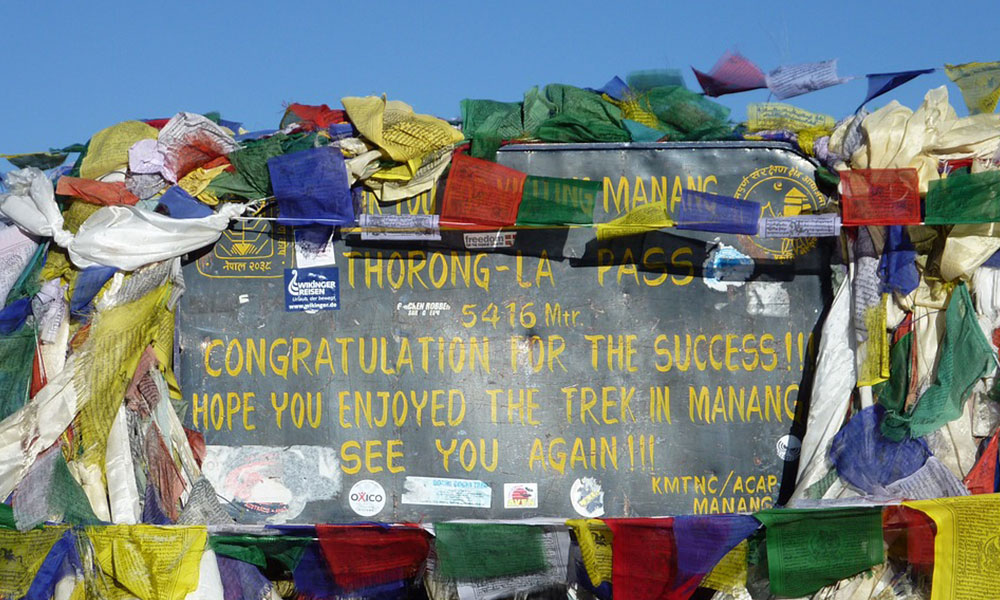
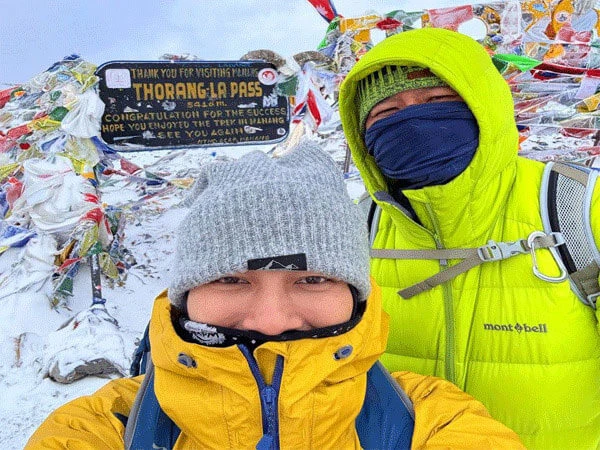
Annapurna Circuit Trek | Thorong la pass
How fit do you actually need to be for Annapurna Circuit Trek?
You do not need to be an elite athlete. But you do need solid endurance. Trekkers who train consistently for two to three months before the trek complete it at high rates. Those who arrive untrained often turn back.
Recommended Fitness required for Annapurna Circuit Trek:
Walk 6 to 7 hours continuously on hilly terrain without exhaustion
Comfortable with uphill hiking for several hours at a stretch
Basic cardiovascular endurance from cycling, running, or swimming
Beginner-Friendly Itinerary for Annapurna Circuit Trek(14-16 Days)
This itinerary is designed to include proper acclimatization days and avoids sections where roads have reduced the trek to walking alongside jeep tracks. Starting from Besisahar or Bhulbhule is recommended.
Annapurna Circuit Trek Itinerary for Beginners
Days
Location / Stage
Purpose
1 to 3
Besisahar to Chame (2,710 m)
Gradual ascent through lower valleys
4 to 5
Chame to Manang (3,540 m)
Enter high-altitude zone
6
Manang
Rest and acclimatization day
7
Acclimatization hike near Manang
Go high, sleep low
8 to 9
Manang to High Camp (4,850 m)
Final preparation for the pass
10
High Camp to Thorong La (5,416 m)
The big crossing, start by 4 AM
10
Thorong La to Muktinath (3,760 m)
Descend to safety
11 to 12
Muktinath to Marpha / Jomsom
Recovery days in lower altitude
13 to 14
Tatopani / Ghorepani (optional)
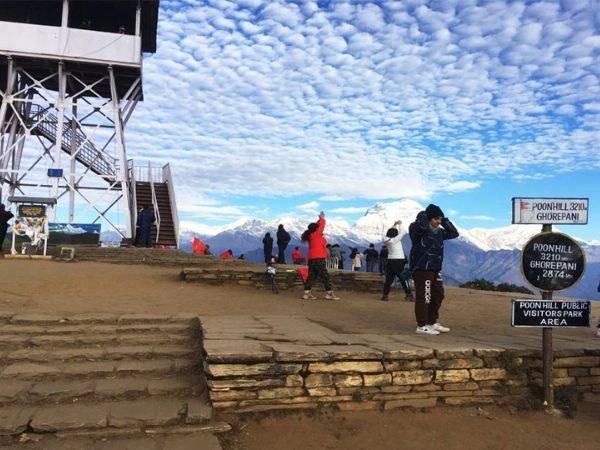
Hot springs and Poon Hill sunrise
15 to 16
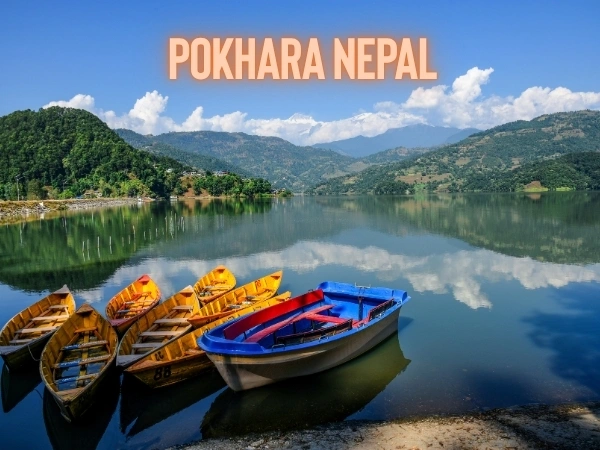
Descent to Pokhara
Trek ends, celebrate!
Pro tip: Cross Thorong La Pass early; ideally before 10 AM. Afternoon winds make the crossing significantly harder and more dangerous.
Best Time for Beginners to Trek Annapurna Circuit
Timing your trek correctly is one of the most important decisions you will make. The Annapurna region has four distinct seasons, but only two are truly suitable for beginners. Generally, the best time to trek Annapurna Circuit is October and November. Its the sweet spot for beginners as skies are stable, visibility stretches for hundreds of kilometers, and the trails are dry after the monsoon season clears.
Seasons
Months
Weather
Visibility
Beginner Rating
Spring
March to May
Mild and warm
Clear
Excellent
Autumn
Sept to November
Stable and crisp
Very clear
Best
Winter
December to Feb
Cold, snow at pass
Variable
Risky
Monsoon
June to August
Heavy rain, leeches
Poor
Not Recommended
Permits, Costs and Logistics (2026)
Required Permits:
As of 2026, the primary mandatory permit for Annapurna Circuit Trek is the Annapurna Conservation Area Permit (ACAP). The TIMS card is no longer actively enforced at checkpoints along the Annapurna Circuit, though some agencies may still recommend it. Always get your permits in Kathmandu or Pokhara before starting the trek; there are no permit offices on the trail.
Important: Carry sufficient cash; NPR 30,000 to 50,000; before leaving Chame. ATMs are only reliable in Besisahar and Chame. Teahouse prices increase by 20 to 40% above 3,500 m.
Should Beginners Hire a Guide for Annapurna Circuit Trek?
Yes, and as of April 2023, a licensed guide is now mandatory for all foreign trekkers in the Annapurna region. Trekkers without a licensed guide have been turned back at permit checkpoints. Beyond the regulation, a guide genuinely improves your safety and experience and especially so for beginners. A porter is optional but highly recommended for beginners. Carrying only a light daypack makes a significant difference to your energy levels and reduces the risk of injury on long days.
Benefits of Hiring a Guide:
AMS detection and safety monitoring at high altitude
Navigation support on less-marked sections
Communication with local teahouse owners
Cultural context and stories that bring the trek to life
Emergency coordination in case of evacuation
Packing Essentials for Beginners during Annapurna Circuit Trek
Category
Essential Items
Footwear
Broken-in waterproof trekking boots, gaiters, trekking poles
Clothing
Thermal base layers, fleece mid-layer, waterproof shell, down jacket
Sleeping
Sleeping bag rated to -10°C to -20°C (teahouses provide thin blankets)
Health
Altitude medication (Diamox, consult a doctor), first aid kit, blister care
Hydration
Water purification tablets or filter, 2+ litre capacity water bottles
Documents
Passport, permits, travel insurance with helicopter evacuation coverage
Navigation
Offline maps (Maps.me or Gaia GPS), power bank
Key Safety Tips for Beginners
Ascend slowly; follow the itinerary; do not rush
Stay hydrated; drink 3 to 4 litres of water daily
Eat enough calories; altitude suppresses appetite
Cross Thorong La before 10 AM to beat winds
Take mandatory rest days in Manang
Know AMS symptoms; descend immediately if severe
Tell your guide how you feel each morning
Do not push through warning signs; the mountain will be there tomorrow
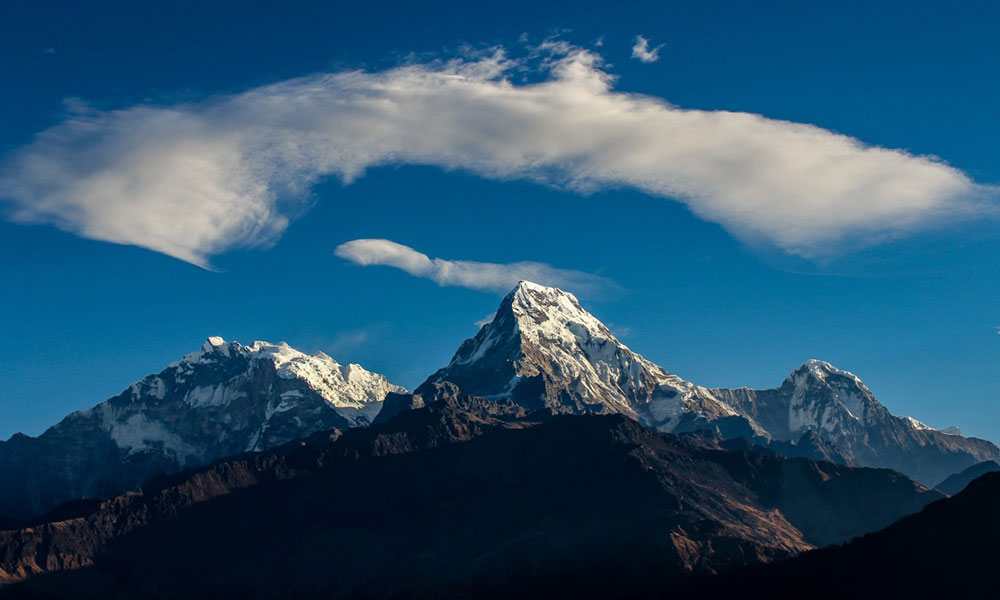
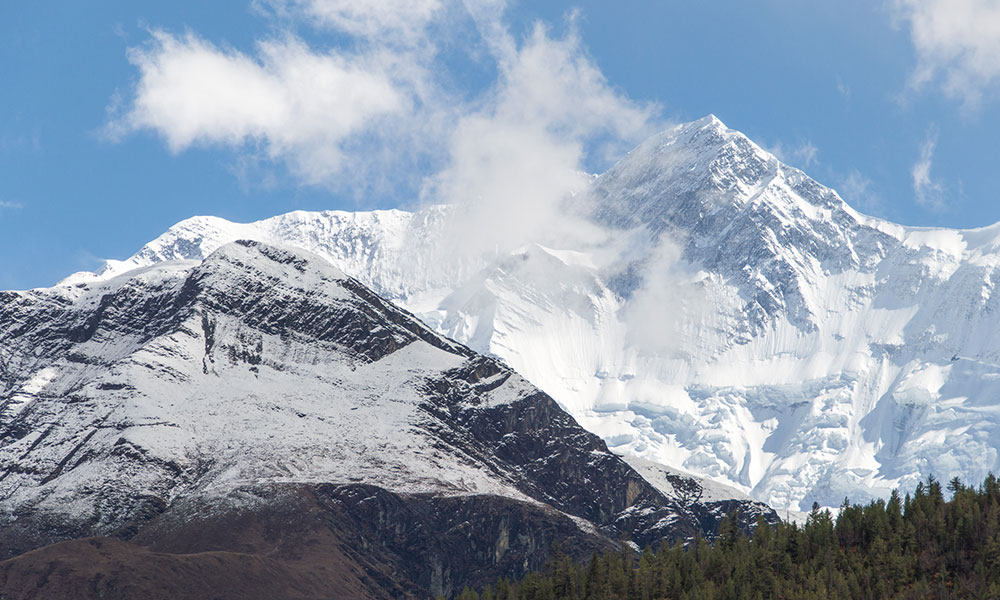
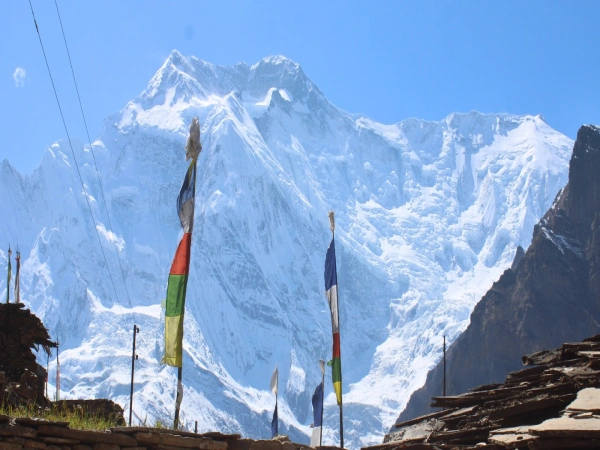
Mountains you will see along the way during Annapurna Circuit Trek
One of the great rewards of the Annapurna Circuit Trek is the sheer scale of the peaks surrounding you. On a clear day you will share the skyline with some of the highest mountains on earth:
Peak
Elevation
Highlights
Annapurna I
8,091 m
The 10th highest mountain in the world
Dhaulagiri
8,167 m
The 7th highest, dominates the western horizon
Manaslu
8,163 m
The 8th highest, visible on the eastern approach
Annapurna II
7,937 m
Towers over the Marsyangdi Valley
Gangapurna
7,455 m
Spectacular reflection in Gangapurna Lake near Manang
Tilicho Peak
7,134 m
Guards the world's highest lake Tilicho Lake
Mountains during Annapurna Circuit Trek
Final Verdict
The Annapurna Circuit Trek is one of the most rewarding treks on the planet, and beginners who prepare properly have every right to be on the trail. The altitude is the biggest variable; respect it, acclimatize properly, and hire a licensed guide. Everything else comes down to putting in the training beforehand and taking each day at a sensible pace.
The mountains are not going anywhere. The most important skill on the Annapurna Circuit is patience with the altitude, with your body, and with the journey itself. Go prepared, go with a guide, and go enjoy one of the finest walks in the world.
Bottom Line: Beginners can do the Annapurna Circuit Trek. Success depends on 3 things: solid physical preparation, proper acclimatization, and a licensed local guide.
It can be if altitude is ignored. With proper acclimatization, a licensed guide, and travel insurance, the risk is manageable, and thousands of first-time trekkers complete it safely every year.
Can I do the Annapurna Circuit without a guide?
No, as of April 2023, Nepal requires all foreign trekkers in the Annapurna region to trek with a licensed guide. Trekkers without one have been turned back at checkpoints.
How long does the Annapurna Circuit Trek take?
Most beginners complete the circuit in 14 to 16 days, allowing for acclimatization days. The full route can take up to 20 days if you include Tilicho Lake or Poon Hill.
What is the best month for beginners to do the trek?
October and November are widely considered the best months. Stable weather, clear skies, and dry trails make for ideal conditions.
Do I need to carry a tent or camping gear?
No. The Annapurna Circuit is a teahouse trek. Accommodation and meals are available at lodges throughout the route, including at High Camp before Thorong La.
What happens if I get altitude sickness?
Mild AMS can be managed with rest, hydration, and medication. If symptoms are severe, such as confusion, inability to walk straight, or persistent vomiting, descend immediately. Your guide will coordinate evacuation if required.