Picking a trekking agency for the Annapurna Circuit, honestly, it's one of those decisions that feels simple until you realize how much it actually matters.
Unlike some restricted regions in Nepal, the Annapurna Circuit doesn't legally force you to book through an agency. You can plan it yourself, hire a guide on the ground, or go solo on stretches of the trail.
But that freedom? It comes with its own headaches.
Go in without the right support and you're looking at altitude risks, logistical chaos, and a string of avoidable mistakes that slowly chip away at the experience. Whether your trek becomes something you talk about for years, or something you'd rather forget, often comes down to one thing: who you chose to plan it with.
Because the best trekking agency doesn't just organize your trip. It shapes how you feel about the mountains, the villages, and the whole journey.
Why Choosing the Right Trekking Agency Still Matters
Freedom Doesn't Mean Simple
People often call the Annapurna Circuit Trek one of the most diverse treks on the planet. And in two weeks, you'll understand why, subtropical forests giving way to alpine meadows, then dry, wind-swept terrain that feels like another world entirely.
That diversity is what makes it unforgettable. It's also what makes planning genuinely complicated.
You're not just picking a trail. You're juggling altitude gain, rest days, weather windows, transport between regions, and teahouse availability, all at the same time.
A solid agency takes that off your plate.
What Goes Wrong With the Wrong Agency
Poor agencies don't always fall apart all at once. In my experience, the problems tend to creep in:
An itinerary that pushes altitude too fast. A guide who's done the circuit twice and calls that "experience." No real plan for Thorong La Pass. Surprise costs mid-trek. Zero flexibility when transport falls through.
At sea level, these are annoying. At 4,000 meters, they become dangerous.
What a Good Local Agency Actually Gives You
Think of a strong trekking company as your behind-the-scenes support system, one that's working even when you don't notice it:
Acclimatization built properly into your schedule even for beginners trekking Annapurna circuit. A guide who spots altitude symptoms before you do. Real connections with teahouses that matter when rooms are scarce. A clear emergency plan, not a vague promise.
And beyond logistics, a local agency opens doors to the culture of the Annapurna region that solo trekkers often walk right past.
What Makes the Annapurna Circuit Trek Unique
Knowing what this trek actually demands helps you know what to look for in an agency.
A Trek That Keeps Changing
The Annapurna Circuit isn't one landscape, it's six or seven. Terraced rice fields at the start, pine forests in the middle, and bone-dry plateau terrain beyond Thorong La. Each section has its own rhythm and its own challenges.
Thorong La Pass, The Section That Defines the Trek
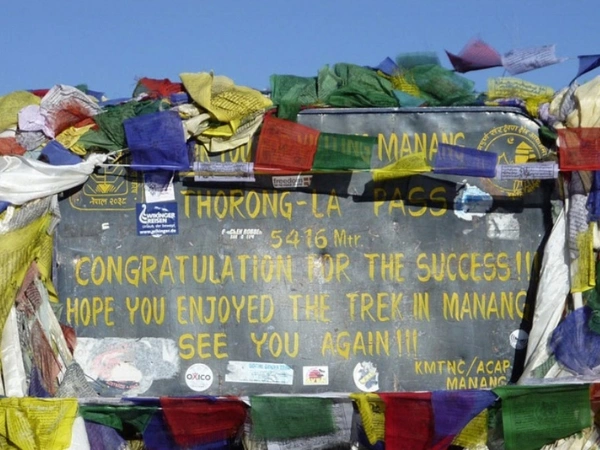
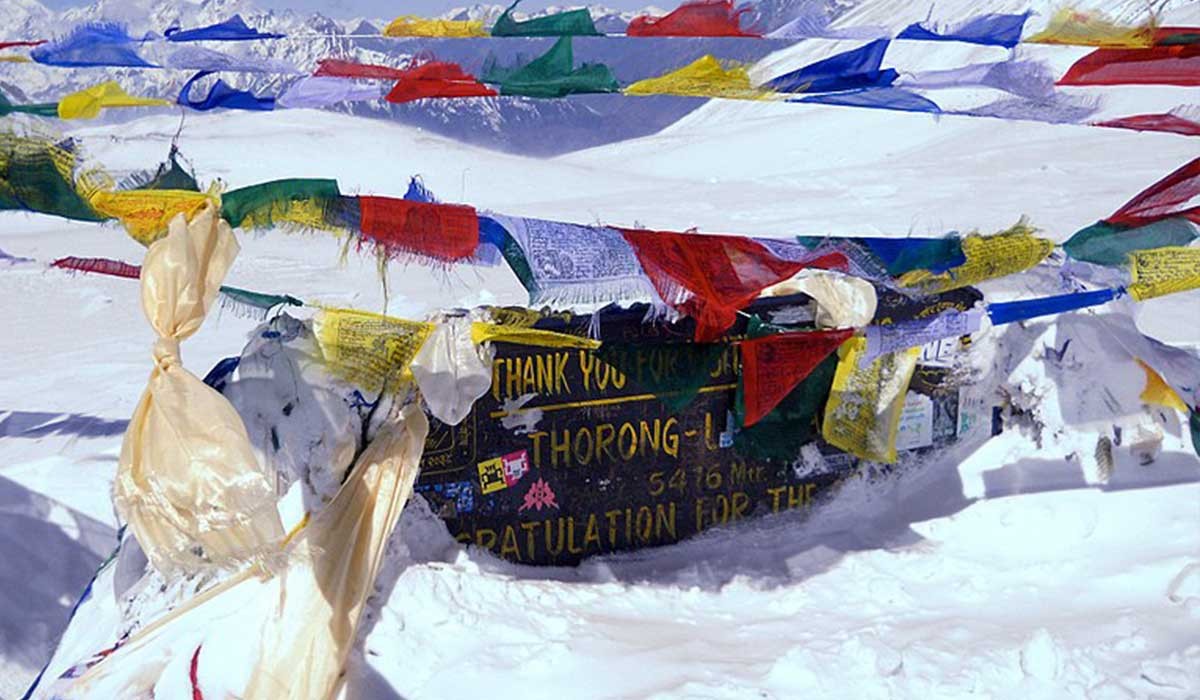
At 5,416 meters, Thorong La is the highest point and the one that demands the most respect. Getting across safely depends on proper acclimatization, reading the weather right, starting before sunrise, and knowing when to turn back.
A knowledgeable agency plans this section like it matters, because it does.
The Road Problem Nobody Talks About Enough
Road construction has eaten into parts of the classic circuit. Some sections that used to be trail are now jeep roads. A good agency is upfront about this, designs your route to avoid unnecessary road walking, and suggests side trails where they exist.
Permits You'll Need
You don't need a restricted area permit for Annapurna Circuit Trek, but you do need two things, the Annapurna Conservation Area Permit (ACAP) and a TIMS card. A reliable agency handles both without you having to chase paperwork.
Key Factors to Choose the Best Trekking Agency
Government License and Registration
Before anything else, confirm:
- Registration with Nepal Tourism Board (NTB)
- Membership in Trekking Agencies’ Association of Nepal (TAAN)
These aren't just badges, they mean the agency operates legally and is held to actual standards.
Reviews, Reputation, and Experience
Online reviews are still one of the most honest windows into how an agency actually performs. But don't just look at the star rating.
Look at the total number of reviews. Check recent ones, last one to two years. See whether people specifically mention the Annapurna Circuit. Consistent patterns in feedback tell you far more than any single glowing testimonial.
Guide Qualification and Local Expertise
Your guide makes or breaks this trek.
Ask questions like:
- Is the guide government licensed?
- How many Annapurna Circuit treks have they completed?
- Do they have high-altitude training?
- Can you know your guide before arrival?
A great guide reads your pace before you do, catches early signs of altitude sickness, and gives you context for everything you're walking through, not just directions.
Safety Standards and Emergency Planning
Altitude changes the stakes of everything. Ask the agency directly, do guides carry pulse oximeters? What's the actual evacuation plan, not the generic answer? Are porters insured? How have they handled altitude sickness cases in the past?
Ask the agency directly:
- Do guides carry pulse oximeters and first aid kits?
- What is the evacuation procedure?
- Are guides and porters insured?
- How do they handle altitude sickness cases?
If the answers are specific, that's a good sign. If they're vague and reassuring, keep looking.
Itinerary Quality and Acclimatization
A well-paced itinerary is honestly one of the clearest signals of a serious agency. Look for gradual altitude gain, at least one proper rest day in Manang, realistic daily walking hours, and some built-in flexibility.
Look for:
- Gradual altitude gain
- At least one acclimatization day (usually in Manang)
- Realistic walking hours
- Flexibility for weather and health conditions
If the itinerary feels rushed, trust that feeling.
Transparent Pricing and Cost Breakdown
For a 12-16 day Annapurna Circuit trek, typical costs are:
- Budget: $700 to$1,200
- Mid-range: $1,200 to$2,000
- Premium: $2,000+
A standard package should include:
|
Inclusion
|
What to Confirm
|
|
Permits (ACAP, TIMS)
|
Included and arranged
|
|
Guide
|
Licensed and experienced
|
|
Accommodation
|
Teahouse standard
|
|
Meals
|
Number of meals per day
|
|
Transport
|
Bus/jeep/flight details
|
A proper package should clearly cover permits (ACAP and TIMS), a licensed and experienced guide, teahouse accommodation, meals (confirm how many per day), and transport details, bus, jeep, or flight.
If the breakdown is fuzzy, expect surprises on the trail.
Communication and Customer Support
Before you book anything, send them a detailed question, something that actually requires thought to answer. See how fast they respond. See whether the reply feels personal or copy-pasted. Clear, thoughtful communication before the trek usually means the same on it.
Evaluate:
- How quickly they respond
- Whether answers are personalized
- Clarity of explanations
Red Flags to Avoid When Selecting a Trekking Agency
Prices That Seem Too Good
If a full package is way below the typical market range, something's being cut. Usually it's guide experience, safety equipment, or accommodation quality, the things that matter most when things go sideways.
No License or Documentation
Any legitimate agency will share their registration details without blinking. If they dodge the question or get evasive, walk away.
Vague Itineraries
A real itinerary tells you where you're sleeping each night, what altitude you'll be at, how many hours you're walking, and what kind of accommodation to expect. Anything less than that isn't an itinerary, it's a rough idea.
A proper itinerary should include:
- Daily destinations
- Altitudes
- Walking hours
- Accommodation details
No Independent Reviews
Avoid companies that only show testimonials on their own website. AndIf the only testimonials you can find are on their own website, that's a problem. Check TripAdvisor, Google, and trekking forums independently.
Types of Trekking Agencies for Annapurna Circuit
Local agencies are usually the most affordable and bring genuinely deep knowledge of the region. They take more research to vet, but they're often the best fit for trekkers who want real cultural immersion without blowing their budget.
National agencies offer a middle ground, more structured service, slightly higher cost, good flexibility.
International operators make booking easy and come with brand recognition, but you'll pay significantly more. They tend to work best for first-time trekkers who want a fully managed experience.
|
Type
|
Advantages
|
Limitations
|
Best For
|
|
Local Agency
|
Affordable, deep local knowledge
|
Requires research
|
Budget + cultural experience
|
|
National Agency
|
Balanced service
|
Slightly higher cost
|
Comfort + flexibility
|
|
International Operator
|
Easy booking, brand trust
|
Expensive
|
First-time trekkers
|
Best Time to Book the Annapurna Circuit Trek
If you are looking at best time to trek Annapurna Circuit, Spring (March to May) and autumn (September to November) are the sweet spots, stable weather, clear skies, and the best mountain views.
Book 4 to 8 weeks in advance, especially during peak seasons.
This ensures:
- Better guide availability
- Confirmed accommodations
- Smooth logistics
Why Many Trekkers Choose Local Agencies
Honestly, the value is hard to beat. You get more flexibility, stronger cultural connection, direct access to your guide, and the knowledge that your money is staying within the communities you're walking through.
Local agencies often provide:
- Better value for money
- Stronger cultural connection
- More flexible itineraries
- Direct communication with guides
Most importantly, they keep tourism benefits within local communities.
Final Thoughts
Choosing the right trekking agency for the Annapurna Circuit isn't really about finding the cheapest deal or the flashiest website.
It comes down to trust.
You're handing over your safety, your time, and your experience to a team that will shape your journey in ways you won't fully see until you're already somewhere above 4,000 meters and things start to matter.
The right agency does not just get you across Thorong La Pass. It helps you understand the mountains you are walking through and ensures you return with more than just photographs.
Top Trekking Agencies Offering Annapurna Circuit Packages from the US
Most US-based trekkers searching for Annapurna Circuit packages land on one of two paths: a large international operator with a familiar brand and a US storefront, or a vetted Nepal-based agency they can book directly online. Both routes work. The difference comes down to what you're paying for and how much of the experience you want handed to you.
Here's a clear breakdown of the agencies US travelers consistently rely on, along with what each one actually offers.
|
Agency
|
Type
|
Trek Duration
|
Starting Price (USD)
|
Group Size
|
Best For
|
|
Intrepid Travel
|
International
|
15 days
|
From approx. $1,655
|
Small group
|
First-timers wanting brand trust
|
|
G Adventures
|
International
|
18 days
|
From approx. $1,600
|
Max 15
|
Social, community-focused trekkers
|
|
Exodus Adventure Travels
|
International
|
19 days
|
From approx. $3,825
|
Small group
|
Full-circuit completists, premium service
|
|
Index Adventure
|
Local Nepal
|
12–18 days
|
From approx. $700
|
Private/flexible
|
Value, flexibility, cultural depth
|
Plan Your Annapurna Circuit Trek with Index Adventure
If you're seriously thinking about the Annapurna Circuit, start with a conversation at Index Adventure, not a booking. Talk to a trekking expert at Index Adventure, someone who knows the route, understands the risks, and can help you figure out what kind of experience you're actually looking for.
A good conversation now can save you from a lot of regret later.
FAQs About Choosing a Trekking Agency for Annapurna Circuit
Do I need a guide for the Annapurna Circuit Trek?
Not legally, no. But from what I've seen, having a guide, especially for Thorong La and the higher sections, makes a meaningful difference in both safety and experience.
How much does an Annapurna Circuit trekking agency cost?
Packages generally fall between $700 and $2,000 or more, depending on the level of service, comfort, and how many days you're trekking.
Is it safe to book a local trekking agency?
Absolutely, as long as they're registered with the Nepal Tourism Board and have solid independent reviews backing them up.
How long does the Annapurna Circuit take?
Most trekkers take 12 to 16 days, depending on their route and how many acclimatization stops they build in.
When is the best time to trek Annapurna Circuit?
Spring and autumn, without question. The weather holds, the visibility is sharp, and the trails are at their best.