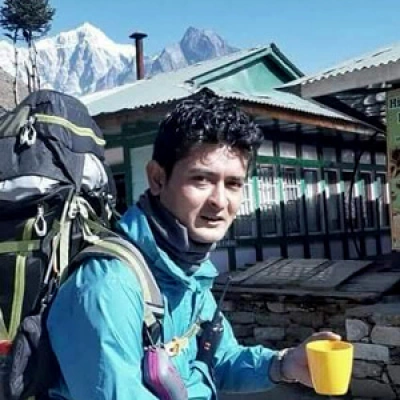
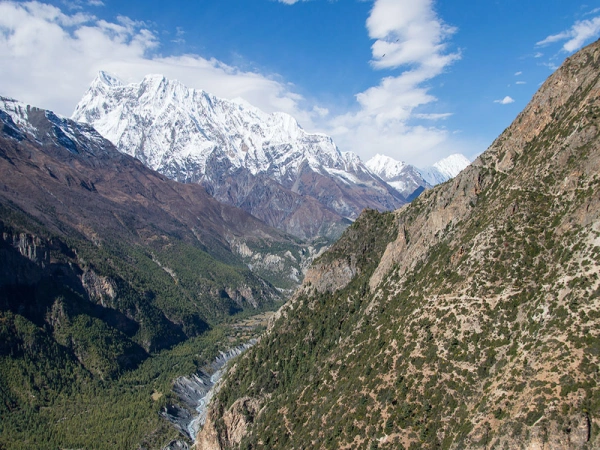
The Upper Mustang Trek is a unique experience. Here you will see the lifestyles of authentic mountain people who have had little touch with the rest of Nepal for many years and have managed to preserve their rich cultural heritage. Their ruler was publicly recognized by the Nepalese government until recently. Upper Mustang trek is similar to trekking in Tibet in many aspects, as it is geographically part of the Tibetan plateau. Mustang was a separate kingdom inside the limits of Nepal until 1950. The surviving king, the Royalty of Mustang, still dwells in Lo Manthang, the medieval capital.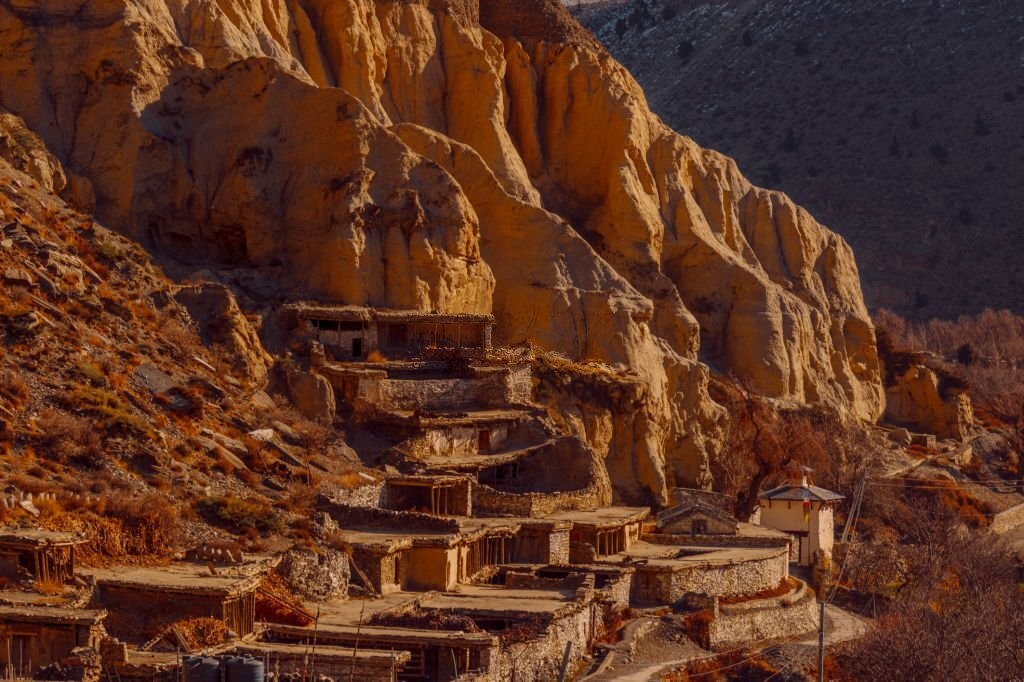
Upper Mustang Trek was just recently allowed to non-Nepali trekkers, and the area remains extremely restricted even now. Trekkers entering Upper Mustang must obtain a different trekking permit and be accompanied by a trained guide. The Upper Mustang is one-of-a-kind in every way, tucked in the midst of the majestic Himalayas, offers a spectacular trekking experience with its bizarre vistas, old caves, and rich cultural history. While the region radiates pristine beauty, when beginning with the Upper Mustang trek, it is critical to prioritize safety. This blog seeks to provide important safety recommendations to enable fun and safe travel in this incredible Himalayan region.
Proper Planning:
Thorough planning and preparation are essential before embarking on your Upper Mustang adventure. To determine your fitness level and the proper trekking duration, research the locality, weather conditions, and path difficulties. Make a comprehensive itinerary and share it with a trustworthy contact back home or with your trekking company.
Obtain Required Permits:
Upper Mustang is a restricted area that requires specific permits to enter. Make sure you have all of the essential permits, including the Annapurna Conservation Area Permit (ACAP) and the Upper Mustang Restricted Area Permit. Carry numerous copies of these licenses and keep them in a safe place.
Required Permits for Upper Mustang
- Restricted Area Permit (RAP): USD 50 per day per person.
- Annapurna Conservation Area Project (ACAP) Permit: Approximately USD 30 (NPR 3,000) per person, with no time limit.
- TIMS Card (Optional/Situational): Some agencies may require or include this, costing around USD 20
Essential Documents Needed
- You need to provide the following to your trekking agency:
- Original Passport with a valid Nepal visa (at least 6 months validity).
- Two passport-size photographs.
- A scanned copy of your passport and visa.
- Detailed itinerary and travel insurance.
How to Obtain Permits
- Book a Licensed Agency: You cannot apply for a RAP yourself. A licensed Nepali agency must submit the application on your behalf.
- Submit Documents: Provide your documents to the agency in Kathmandu.
- Wait for Processing: Permits are processed within 1–2 days.
- Permit Pickup: The agency handles the paperwork and issues the permits.
Hiring an Experienced Guide or Porter:
Hiring an experienced guide or porter will considerably improve your safety on the Upper Mustang journey. A qualified guide will be acquainted with the topography, weather patterns, and any hazards. They can provide you with essential insights into the local culture and keep you on the correct track, avoiding potential hazards.
Pack wisely:
Bring sturdy hiking boots, layered clothing appropriate for changeable climates, waterproof clothing, a cozy sleeping bag, a first aid kit, and high-SPF sunscreen. Pack extra food and drink for the trek, as supplies may be limited along the way. Pack for the Upper Mustang trek using a layered system, focusing on windproof and waterproof clothing, as the area is arid, windy, and cold. Essential items include a warm down jacket, thermal layers, sturdy hiking boots, a -10°C rated sleeping bag, and a 30L-40L daypack for a 10-17-day journey. Detailed Upper Mustang trek packing checklist.
Maintain Proper water and Nutrition:
Proper water and nutrition are essential for sustaining energy levels and avoiding altitude sickness. To ensure a healthy drinking water supply, bring water filtration equipment or tablets for purifying water with you. Keep snacks or energy bars on hand to keep your calorie intake up during the walk. Foods During Upper Mustang Trek.
Hydration Strategies
- Daily Intake: Drink at least 3 to 4 liters of water daily to combat the dry, arid air and high altitude.
- Sip Regularly: Rather than drinking large amounts at once, take frequent, small sips throughout the day, aiming for about 125ml every half-hour.
- Purify Water: Avoid purchasing plastic bottles, which are expensive and environmentally harmful. Use water purification tablets, a, SteriPen, or a portable water filter (like Sawyer or LifeStraw) to treat tap/stream water.
- Electrolytes: Use hydration salts, powder, or electrolyte tablets (e.g., Crystal Light, Nuun) to replenish lost salts, especially on long, sweaty days.
- Hot Drinks: Consume hot drinks like ginger or mint tea, garlic soup, or hot chocolate in the evenings to keep warm and increase fluid intake.
- Monitor Hydration: A good indicator of proper hydration is producing clear, colorless urine
Nutrition and Diet
- High-Carb Diet: Focus on high-carbohydrate, easily digestible foods to provide consistent energy for the daily 5-7 hour treks.
- Staple Foods: Eat local favorites like Dal Bhat (rice and lentil soup—often available with unlimited refills), noodles, pasta, porridge, and Tibetan bread.
- Local Specialties: Try high-energy local foods like Tsampa (roasted barley flour) and Thukpa (hearty noodle soup).
- Snacks: Carry high-calorie, quick-energy snacks, such as nuts, dried fruits, energy bars, and chocolate bars (e.g., Snickers), for fuel during the walk.
- Eat Often: Eat smaller, more frequent meals rather than large, heavy meals to keep energy levels stable without putting pressure on your digestive system at high altitudes.
- Avoid: Avoid alcohol, smoking, and excessive caffeine, as they can accelerate dehydration and aggravate altitude sickness.
- Safe Food Choices: Stick to cooked foods. Avoid raw vegetables and unpeeled fruits in rural areas to prevent diarrhea
Proper Acclimatization:
Ascending to higher elevations too rapidly can cause altitude sickness, which can be fatal. Give your body time to acclimatize by including rest days in your schedule. Ascend gradually, aiming for an optimal altitude gain of 300-500 meters each day. Pay attention to your body and be mindful of any altitude sickness symptoms, such as headaches, nausea, or dizziness. If symptoms persist or worsen, immediately descend to a lower altitude.
Follow Weather Updates:
Weather conditions in the Upper Mustang region can change quickly, altering visibility and trail conditions. Keep an eye on weather forecasts before and during your journey. Consider staying in a safe location or altering your route if the weather worsens. The best time to visit the Upper Mustang trek is during spring (March to May) and autumn (September to November), offering clear skies, comfortable temperatures (15°C to 22°C), and blooming landscapes or golden fields. Because it lies in a rain shadow, summer (June-August) is also a good, quiet option.
Key Seasonal Details for Upper Mustang:
- Spring (March–May): Known for warm days, blooming rhododendrons, and the Tiji Festival in Lo-Manthang.
- Autumn (September–November): Offers the clearest visibility for panoramic Himalayan views, comfortable trekking temperatures, and post-monsoon greenery in early September.
- Monsoon (June–August): A great alternative to other Nepal treks as it rarely rains here, allowing for an crowd-free experience.
- Winter (December–February): Extremely cold, with temperatures dipping to -25 degrees Celsius at night, and many locals migrate down, making it suitable only for experienced, prepared trekkers.
Respect Local Customs and Traditions:
Upper Mustang has a thriving Buddhist culture, thus it is critical to respect local customs and traditions. Dress modestly, exercise caution near monasteries and sacred locations, and obtain permission before photographing people or their possessions.
The Upper Mustang journey promises to be a fantastic adventure through stunning scenery and historical and cultural wonders. You may assure a safe and unforgettable tour in this mysterious Himalayan region by considering these safety precautions and making informed selections. Prioritize your health, respect the environment and local culture, and enjoy the natural beauty of Upper Mustang. Best wishes on your journey!