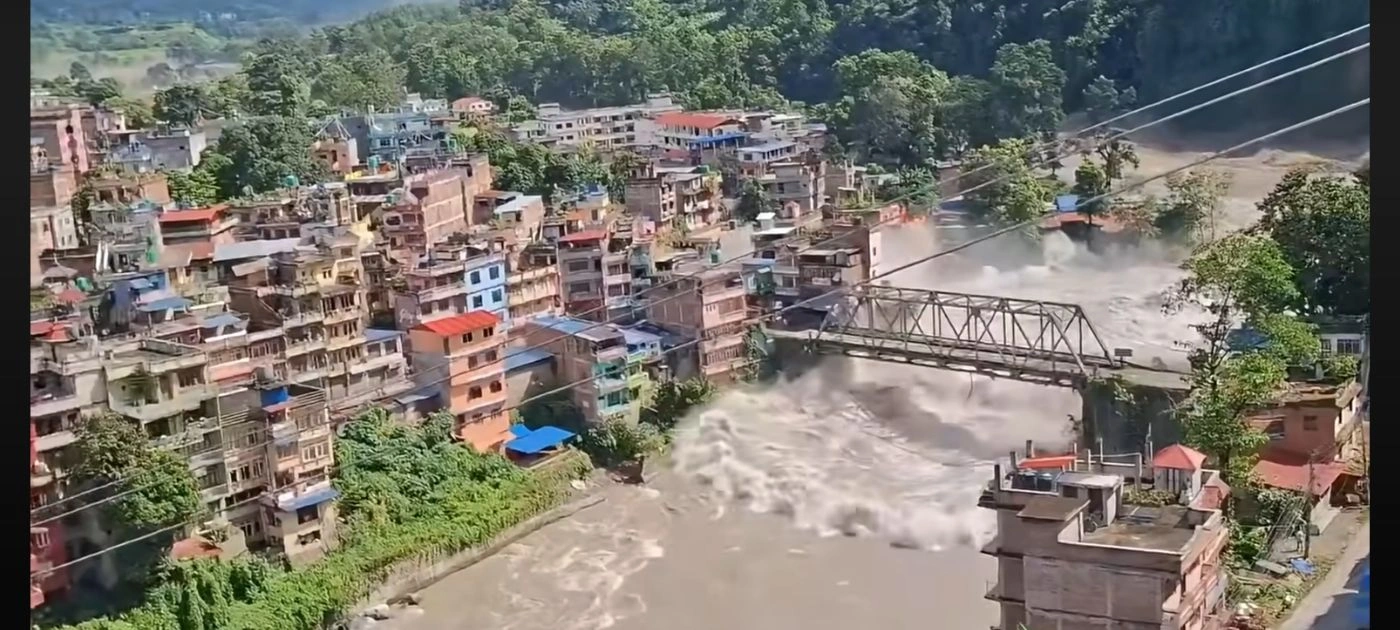
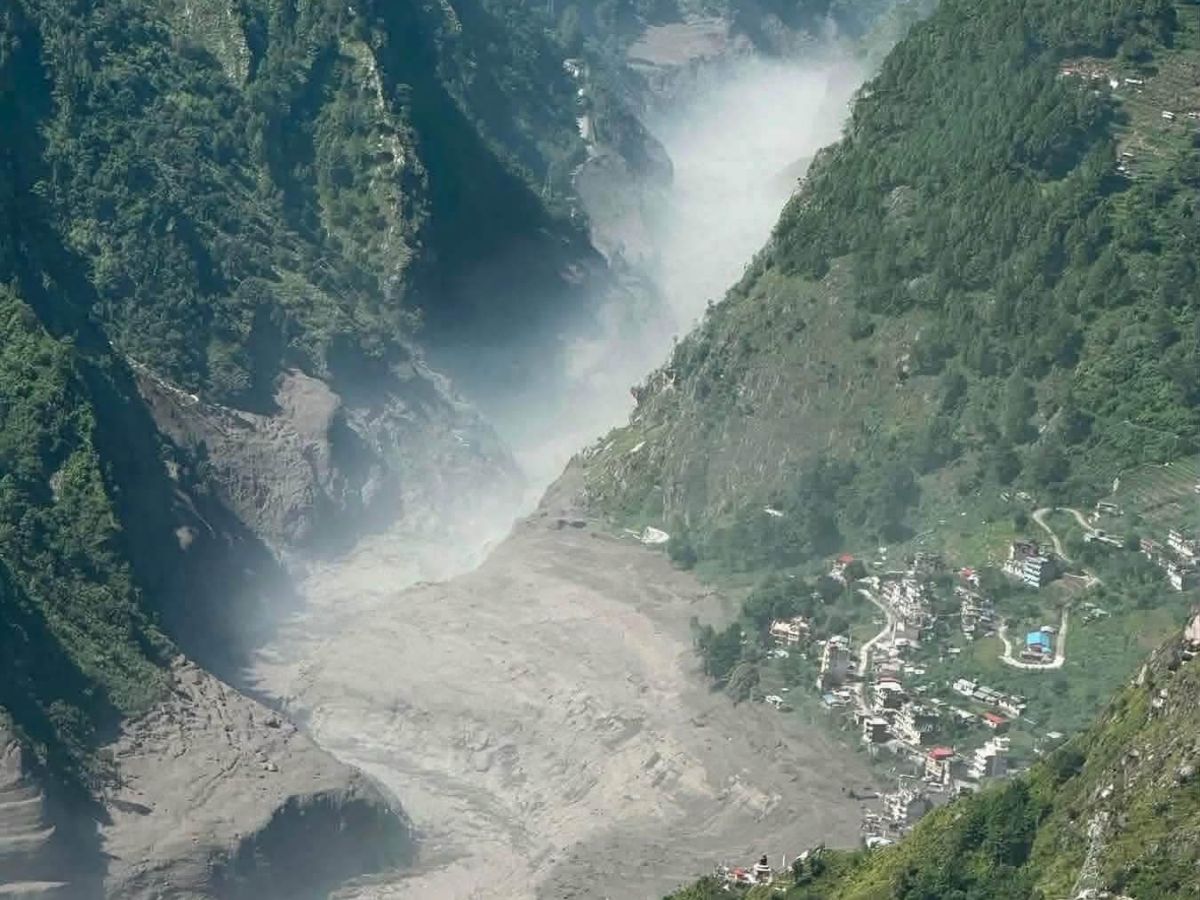
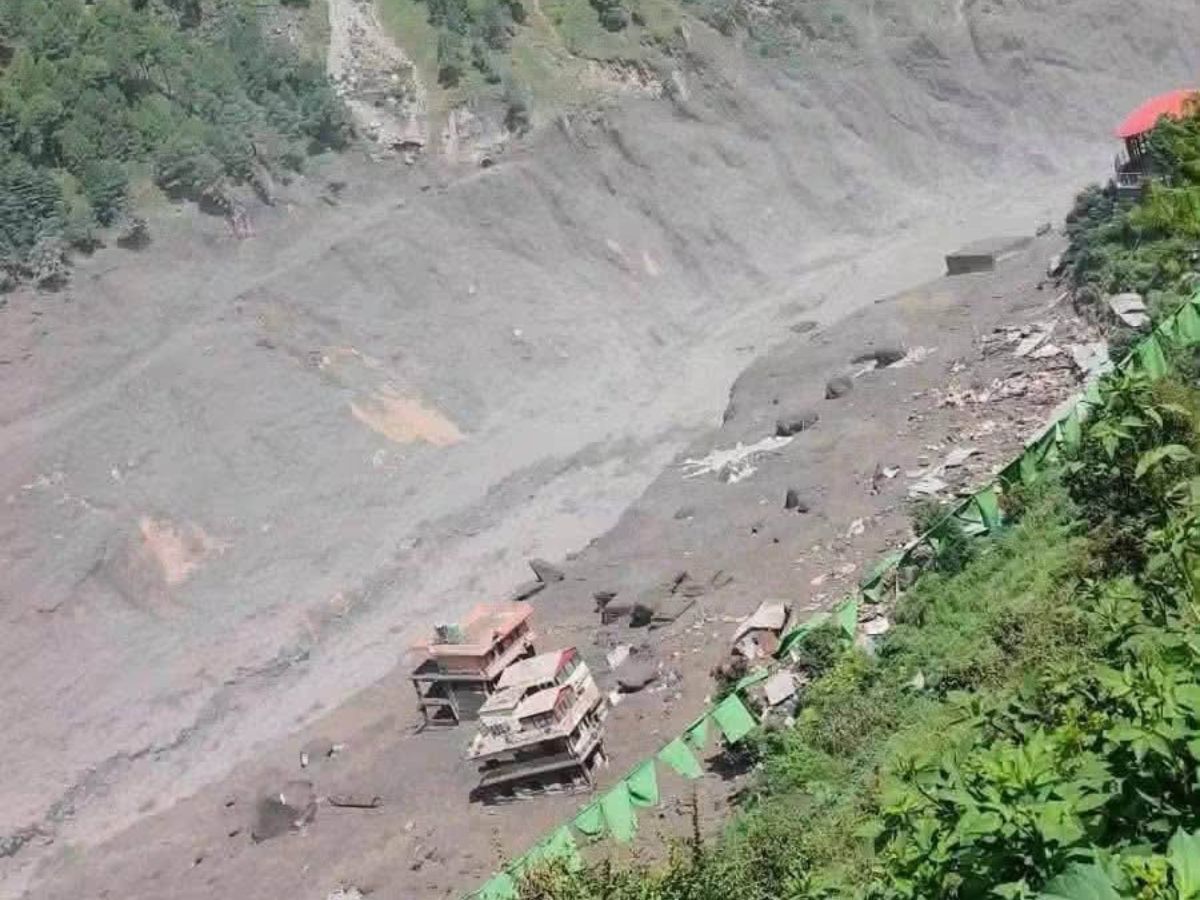
A massive flash flood tore through Nepal's Rasuwa district on the morning of August 26, 2026, sweeping away entire settlements along the Bhote Koshi and Trishuli rivers and triggering one of the most serious transboundary disasters Nepal has faced in recent years. The Rasuwa flood surged across the border from the Tibetan side at around 9:15 AM, and within hours it had claimed lives, left dozens missing, wrecked critical infrastructure, and forced mass evacuations across five districts.
As a Kathmandu-based trekking operator running routes directly through the affected Langtang region, Index Adventure is closely monitoring this Nepal flood for the safety of our trekkers, staff, and partner communities on the ground. Here is what is confirmed so far about the disaster, its cause, its human cost, and what it means for travel in northern Nepal.
What Triggered the Bhotekoshi Flood?
The flood originated in the Poiqu River watershed inside the Tibet Autonomous Region of China, then crossed into Nepal through the Bhote Koshi River. Nepal's Department of Hydrology and Meteorology confirmed there was no local rainfall in Rasuwa at the time, which rules out a simple monsoon event and points to an upstream trigger.
Chinese authorities informally told Nepal's National Disaster Risk Reduction and Management Authority (NDRRMA) that a large avalanche had struck the Tibetan side of the border. Hydrologists believe that avalanche likely plunged into an unstable glacial lake, setting off a Glacial Lake Outburst Flood (GLOF) that sent a wall of water, mud, and debris downstream faster than communities could evacuate.
This is not new territory for the region. The Poiqu basin has produced major GLOFs before, in 1935, 1964, and 1981, and a similar event on July 8, 2025 killed 11 people in Nepal and 11 in China. After that disaster, Nepal and China agreed to share glacial lake risk data in real time. The scale and speed of this year's Nepal-Tibet flood suggest that agreement was not enough to give downstream communities the warning they needed.
Major Flood-Affected Regions
The flood's path of destruction stretches across several districts as the water moved from the mountains toward the plains:
- Rasuwa district: Timure, Syabrubesi, and Betrabati, the hardest-hit commercial and border settlements
- Nuwakot district: Trishuli Bazaar and Bidur Municipality, where homes were swept away and bodies were recovered
- Dhading district: Areas near the Furkhekola bridge and Ghalchi Rural Municipality
- Downstream alert zones: Gorkha and Chitwan, placed on high alert as the flood crest advanced toward the Trishuli-Marshyangdi confluence near Muglin
Authorities have ordered everyone living in low-lying, riverside areas across all five districts to move to higher ground until water levels fully recede.
Casualties and Aftermath of the Flood
Confirmed numbers are changing by the hour as search and rescue teams reach more of the affected area, but officials have verified the following:
- At least 7 people confirmed dead, with bodies recovered in the Nuwakot and Dhading districts
- 28 security personnel reported missing, made up of 9 Armed Police Force members and 19 Nepal Police officers who lost contact near the Timure border post
- Around 25 people rescued so far, including 7 injured victims retrieved for urgent medical treatment
- 15 hydropower projects damaged or knocked offline, including the 111 MW Rasuwagadhi Hydropower Project, the Chilime Hydropower Project, Trishuli-3A, and the Trishuli 3B Hub substation
This remains an active disaster, and both the death toll and the damage estimate are expected to rise as rescue teams reach remote, cut-off pockets of Rasuwa.
Transport and Highways Affected by the Flood
Road and bridge losses are among the most disruptive effects of the flood, since they control who can reach the affected districts and how quickly relief can move in:
- Public transportation from Kathmandu to seven districts, including Chitwan, Pokhara, Gorkha, Lamjung, Dhading, Nuwakot, and Rasuwa, has been suspended indefinitely on the Prithvi and Pasang Lhamu highways
- The Trishuli-Mailung-Syabrubesi road, the only vehicle corridor into northern Rasuwa, is completely impassable
- Roughly 42 kilometers of road between Betrawati and the Rasuwagadhi border point have been damaged beyond use, with a further 16 kilometers between Syabrubesi and the border still being assessed
- The Miteri Bridge, Nepal's main trade crossing with China at Rasuwagadhi, was completely swept away
- The Keurini-Fosretar concrete bridge, a 192-meter structure linking Nuwakot and Dhading, and the Furkhekola bridge in Dhading were also destroyed
- Some road officials and supervisors overseeing the affected stretches have themselves lost contact, slowing down damage assessment
With multiple highways and bridges out, northern Rasuwa is currently reachable only by air.
Immediate Impacts of the Flood on the People of Nepal
Beyond the visible destruction, the flood has disrupted daily life for tens of thousands of people across northern Nepal:
- Over 300 residents and construction workers are trapped by floodwaters and landslides in the Mailung area of Rasuwa, with some sheltering in cliffside caves while they wait for rescue
- The Nuwakot District Prison flooded on its first floor, forcing an emergency evacuation of all inmates to safer ground
- With the Rasuwagadhi trade point destroyed just weeks before Dashain, Nepal's biggest festival and shopping season, the country faces possible shortages of goods imported from China
- Nepal Telecom and Ncell have switched on free voice, data, and SMS service across the five affected districts for three days, so trapped families can share their location with rescue teams
Ongoing Situation and Rescue Efforts
Search and rescue work is continuing around the clock, led by the Nepali Army, Nepal Police, and Armed Police Force:
- 12 helicopters, four military and eight from private operators, have been deployed to the affected zones
- Aviation fuel tankers have been sent to Trishuli in Nuwakot so aircraft can refuel near the disaster site instead of flying back to Kathmandu
- A specialized trauma and surgical team has been flown to Rasuwa, while major hospitals, including Patan, Civil, Bir, Teaching, and Police hospitals, are on high alert for mass casualties
- Prime Minister Balendra Shah convened an emergency meeting of the Council of Ministers and the National Council for Disaster Risk Reduction and Management, postponing a scheduled parliamentary session so the government could focus entirely on the response
- The Flood Forecasting Division is tracking water levels at the Chitwan-Devghat measuring station, where levels were projected to climb toward 8 meters by mid-afternoon, a flood magnitude with roughly a 2 to 3 year recurrence period
Officials have been clear that the full scale of the disaster, including a final death toll, will not be known until road access to Rasuwa's cut-off areas is restored.
Impact on Trekking and Tourism
For trekkers and tour operators, the flood has struck two of Nepal's most popular Himalayan routes directly:
- With the Trishuli-Mailung-Syabrubesi road impassable, trekkers already in the Langtang valley are stranded and new departures have been halted
- A group of 11 trekkers remains stranded in Simmutar, Nuwakot, after the flood swept away their transport vehicle. Everyone evacuated the vehicle safely but remains unable to continue their journey
- The Nepali Army's Shrinath Battalion has begun clearing landslide debris and repairing trail sections, including a restored stretch in the Khimdi area on the Deurali-Dimsa route toward Gosaikunda
- Both the Langtang and Gosaikunda trekking regions remain closed to new groups until road and trail safety can be confirmed
A note to travelers: Index Adventure has paused all departures on the Langtang and Gosaikunda routes until Nepali authorities confirm it is safe to resume. If you have an upcoming booking in this region, our team is reaching out directly with updated arrangements and alternative options.
This is a fast-moving, active disaster, and the figures on deaths, missing persons, and damage will keep changing as rescue teams reach the hardest-hit and most remote parts of Rasuwa. We will update this article as verified information comes in from Nepal's National Disaster Risk Reduction and Management Authority, the Nepali Army, and other official sources.
Our thoughts are with everyone affected by this tragedy, and with the rescue teams working around the clock in extremely difficult terrain.