16Days

Annapurna Circuit with Nar Phu Valley

392 reviews
78 reviews
View Photos
Customize Trip
Duration
16 Days
Trip Grade
Strenuous
Country
Nepal
Maximum Altitude
5,416 M
Group Size
2 to 16
Starts
Kathmandu
Ends
Kathmandu
Activities
Trekking, Sightseeing
Best Time
Mar - May & Sep - Nov

Annapurna Circuit with Nar Phu Valley Trek

Do you want to explore the hidden gem in the Annapurna region? Well then, our Nar Phu Valley trek is just what you are looking for! The journey offers a unique and off-the-beaten-path experience in the Himalayas. You'll hike through the restricted trekking area and get a glimpse of the unspoiled nature.

Trek Overview

The Nar Phu Valley Trek is an exceptional journey in the Annapurna region that traverses through two notable remote villages. This trekking route is a new trekking trail and also off the beaten path. Not many are familiar with the journey; therefore, the journey offers a truly adventurous spirit. The trekking route boasts the rugged and exotic cultural and natural beauty of the valley. A journey to Nar Phu Valley is unlike any other trekking journey in Nepal. It is a wonderful journey that lets travelers find beauty in remoteness.

Highlights of Nar Phu Valley Trek

  • A rugged and wilderness trek
  • An outlandish land that offers medieval Tibetan culture in undisturbed form, dramatic mountain views, and great alpine scenery
  • High plateaus and remote Tibetan villages
  • Stunning landscapes and the vast valleys that are surrounded by the Trans-Himalayas

What is the trail like?

  • The trek is of a strenuous level. Therefore, we recommend doing routine exercise to be healthy and have a good fitness level and stamina.
  • The trail is rugged; thus, we suggest you bring boots with a strong grip.
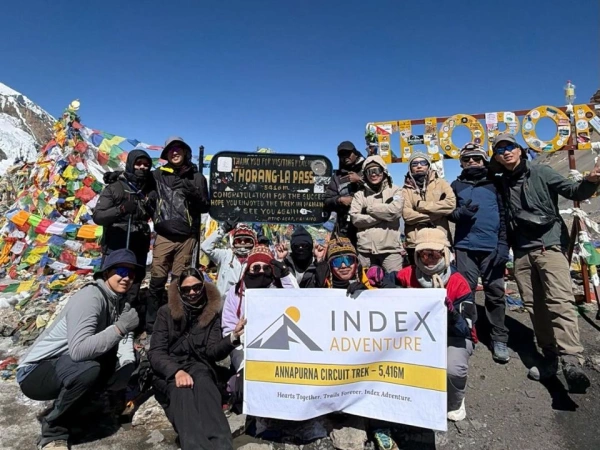
  • The maximum elevation you will cover is at Thorong La Pass (5416m).
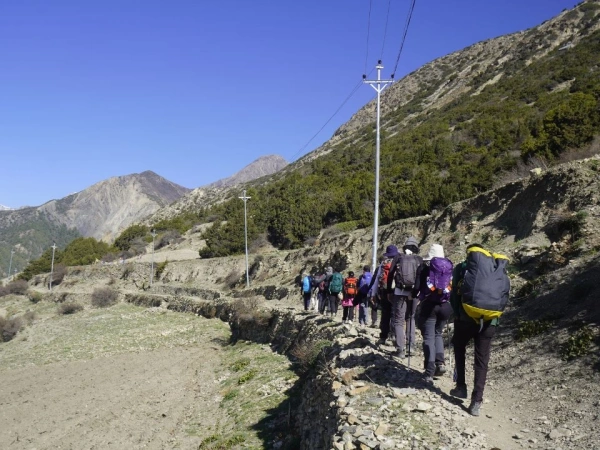
  • Daily, you will walk about 5-6 hours during the trekking days and gain an elevation of 600-700m every day.
  • The trail is opted by very few trekkers, so you will have the whole trail to yourself.

Why choose the Nar-Phu Valley trek in Annapurna?

The Nar Phu Valley Trek is a remote trek that takes you to the secluded and alluring regions located in the north of Annapurna. Nar and Phu are two different remote villages known for preserving their exotic beauty and traditional cultures. The villages are heavily influenced by Buddhist culture; the trek route is adorned with Buddhist monuments. The trek route is strewn with prayer flags, chortens, Gumbas, Mani walls, and many more shrines that reflect the cultural influence in these villages.

The trail is a restricted trekking area in Nepal; the cultural and natural beauty of the valley is intact. Being a new trekking destination, it is a seldom traveled route with a unique combination of high peaks and passes. This intriguing area offers a picture of glaciers, remote villages, narrow canyons, lovely forests, amazing rock formations, yaks, Gompas, and unique Himalayan cultures. Overall, the trek promises wilderness and the company of majestic mountain views along with stunning landscapes.

Although trekking to Nar Phu has not been long since its opening, voyagers have deeply fallen in love with the place. The trail entails passing through high pinnacles, mountain passes, and remote villages. Some of the notable villages of this journey are Manang, Nar, Phu, Meta, Koto, and a few others. Likewise, the trail includes passing through exquisite verdant forests and vast pasturelands.

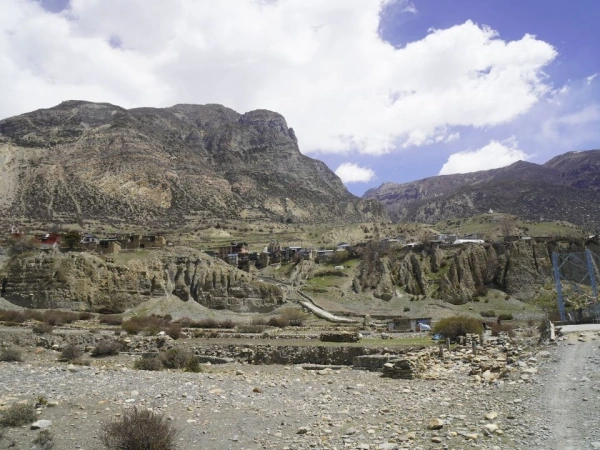
Trekkers will be fascinated with the remote Tibetan towns with overlapping stone houses. Along with that, old Buddhist religious communities and a terrific view of the Annapurna Range are significant attractions of the journey. It is a unique journey that lets visitors experience far-off villages with awesome cultural backgrounds.

Alternatives for Nar Phu Valley Trek

All in all, we wouldn’t advise this trek to those who aren't keen on a remote environment. The accommodation on this trek is basic and simple. Teahouses are not as facilitated as those on the other trekking trails of the Annapurna region. Likewise, it is difficult to have internet access daily as well.

So if you are looking for something remote yet want to be in touch with the world besides the place you are in, we would advise you to try Tilicho Lake, the Manaslu Circuit Trek, or the Annapurna Circuit Trek.

When is the best time to do the Nar Phu Valley Trek?

The best times for the Nar Phu Valley Trek are spring, monsoon, and autumn seasons. The spring season in Nepal falls from March to May. The weather during this time is calm and moderate. Days are sunny and warm, and nights are chilly. The flowers bloom and make the surroundings lively and colorful. Also, you can also opt for this trek during the monsoon season, which is from June to August. The trail lies in the rain shadow area, so it faces rare rainfall. People who cannot travel during the spring and autumn seasons can travel around these times.

Similarly, the autumn season, which tumbles from September to November, is when the sky is clearer than ever, and the mountain is shinier than ever. The weather around this time is also calm and moderate. The nights are chillier, as it is also a pre-winter season, but the days are warm and bright, perfect for walking. Additionally, it is one of the busiest times of the year for trekking in Nepal.

How adventurous is the journey?

The Nar Phu Valley trek is graded as a strenuous hike. It takes you through the remote and less-explored Nar and Phu villages. The trek involves walking on rocky and uneven terrain. It requires you to cross high passes. And it also makes you experience some challenging ascents and descents.

The adventure of the NarPhu Valley trek will test your physical limits and mental endurance. There's a high chance of altitude sickness at the highest point of the trek, Thorong La Pass, at 5,416 m. Hence, we have prepared the package with enough days to acclimatize your body. Although it is a tough hike, the effort is worth it when you witness stunning views from high altitudes of above 4,000 meters.

So, aren’t you intrigued by our trek? Come and join us on this amazing journey and experience the unexplored! If you want to make changes to the itinerary, don’t worry! We can customize it for you.

Best Nar Phu Valley Trek with the Nepal’s Local Trek Operator

Index Adventure is a top choice for the Nar Phu Valley trek due to our 5-star reputation across various platforms like TripAdvisor and social media and for safety, experienced local guides, and excellent personalized service. Our Nar Phu Valley Trek (often combined with the Annapurna Circuit (Thorong La Pass)) is highly rated for seamless logistics, with clients highlighting expert handling of altitude, professional guides, and tailored itineraries.

For those looking for a safe, reliable, and deeply local experience in the remote Nar Phu Valley, Index Adventure is a top-tier operator in Nepal.

Annapurna Circuit with Nar Phu Valley Itinerary

At the airport, our office representative will meet you and bring you to your hotel for check-in. At the hotel, we will conduct a short meeting to enlighten you about the program. There are no events scheduled for the day. Have a nice stay at the hotel.

We drive to Beshisahar after breakfast. From Beshisahar, we take a local jeep to Jagat. This drive provides some insight into the rural people, their way of life, and their history. Our path ascends to Chyamje. The path ascends through the oak forest after passing a suspension bridge. We walk for a little longer before the track emerges into a gorge. We pass through Kodo village and climb to Dharapani village. We will spend the night in a local teahouse, with breakfast, lunch, and dinner included.

Today's hike is challenging, as it includes hiking up and down two hills through apple orchards and Manangi villages. Among the magnificent mountains visible today are Manaslu, Himchuli, Lamjung Himal, and Annapurna II. We will spend the night in a local teahouse, with breakfast, lunch, and dinner included.

We reach Meta after hiking through dense pine and rhododendron forest along the Naar Khola River. We won't see any lodges or teahouses until we get to Meta, where we'll bring a packed lunch from Koto. We will spend the night in a local teahouse, with breakfast, lunch, and dinner included.

We follow the Phu Khola through a nearly desert gorge, taking in breathtaking views of Kangaroo Mountain, Pokharkan, and Amotsang Himal. Today's ascent is slow and not too challenging.
The first Tibetan migrants arrived in Phu Gaon nearly 200 years ago. We will spend the night in a local teahouse, with breakfast, lunch, and dinner included.

We'll stay an extra day to acclimate to the higher elevation.
We can walk around town, speak to the locals, and see the ancient monastery founded by the first Tibetan migrants.
Included are breakfast, lunch, and dinner.

We carry a packed lunch today since there are no lodges or restaurants along the way. We make our way down to Mahayandra Pool. We then take a steep descent to Nar, where we can spend the night in a teahouse.
Included are breakfast, lunch, and dinner.
 

We will relax, overlooking the panoramic views of Amodsang Himal, Pisang Peak, Kangaroo, and Pokharkan. We will go for a brief 2-hour walk to acclimate and see some more beautiful mountain views. Included are breakfast, lunch, and dinner.

We need to depart Ngwal by 4 a.m. to finish today's tough trek; we have a long day ahead of us. We'll be ascending a gentle incline for the next two hours before running up a steep, rugged path.
When you hit the summit, you will not be disappointed, and all of your efforts will be rewarded. A forest paradise will take your breath away. You will see 360-degree panoramic views of snow-capped, breathtaking mountains. We then descend a very steep trail to Ngwal and our overnight teahouse.
We will spend the night in a local teahouse, with breakfast, lunch, and dinner included.

Today we will trek through the pine forest and nearby Manang and Gurung villages. The journey through these places is beautiful and worthy. Manang is one of the important villages and has many monasteries to visit.
Overnight at the guesthouse, breakfast, lunch, and dinner included.

way-to-manang

We spent our time visiting the temple, taking side trips to Gangapurna Lake, and going on excursions to enjoy the beautiful scenery around the villages. Besides, we should go to the Himalayan Rescue Association Clinic.
Breakfast, lunch, and dinner are all included. Overnight stay at the guesthouse.

The path begins in Manang village, crosses a creek, climbs to Tenki village above Manang, and then proceeds to ascend out of the Marshyangdi Valley, turning northwest up Jarsang Khola's valley. This valley is followed northward by the trail, which passes across a few pastures and a juniper tree scrub as it slowly gains altitude. The path continues to travel near Ghunsa, a small village with flat mud roofs just below the trailhead. The route then winds through meadows grazed by horses and yaks.
The trek route goes through an ancient old mani wall in a pleasant meadow after crossing a small river via a wooden bridge before arriving at Yak Kharka, another small village. The trick to avoiding altitude issues is a gradual ascent.
Breakfast, lunch, and dinner are all included with your overnight stay at the guesthouse.

Today, we make our way to the Throng Phedi. Thorong Phedi is a small, bustling settlement that caters to weary trekkers and climbers. This point serves as a base camp for hikers like us. Any tourists often try a climb to the high camp today to make the next day better.
However, we will not recommend this. Even though we will have a difficult day tomorrow, we will rest at Thorong Phedi to sleep soundly rather than risking a dangerous sleep at High Camp's higher altitude. Thorong Phedi is where you'll spend the night. We will spend the night in a local teahouse, with breakfast, lunch, and dinner included.

We will begin our climb to the pass. In the beginning, the ascent is very steep. It gets a lot sloppier when we get closer to the peak. We'll arrive at the top of the pass after navigating rocky ridges.
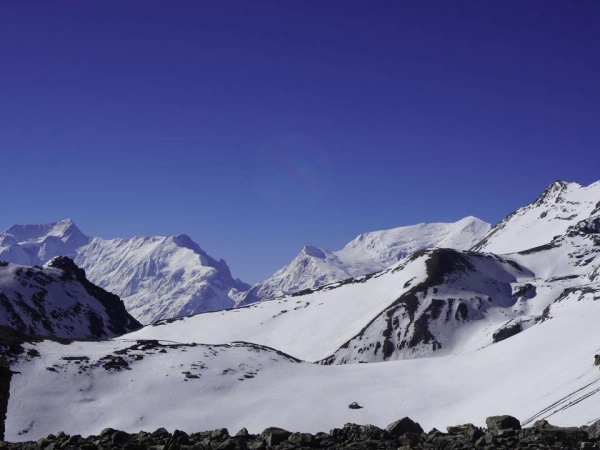
The top offers an unexplainable 360-degree panorama of snow-capped peaks in the Tibetan plateau. We can see several peaks of the Annapurna peaks and the incredible Kali Gandaki gorge when we look back. Continuing the route, we then descend to Muktinath (3800m), following a steep path. Muktinath is home to ethnic Tibetans and has temples and monasteries for Hindus as well as Buddhist pilgrims.

We will spend the night at the guesthouse, with breakfast, lunch, and dinner included.

After we visit the holy temple of Muktinath, we then follow the path to Jomsom. Overnight at the guesthouse, breakfast, lunch, and dinner are included.
 

We take a morning flight to Pokhara, a 20-min. We return to Kathmandu. After a six- to seven-hour drive, we will be in Kathmandu. Overnight at the hotel, breakfast included.
 

Around 3 hours before the scheduled flight, an Index Adventure representative will take you to the airport for your onward journey.

cta
Customize and Book Trip
Embark on a journey of discovery with us: Index Adventure gives you unforgettable holiday experience.
Customize Trip

Cost Details

Includes

  • International airport pickup and drop-off by private vehicle.
  • 2 nights in a 3-star hotel in Thamel, Kathmandu, with a BB Plan.
  • 1 night accommodation in the Standard Hotel in Pokhara, BB plan.
  • Public bus ticket from Kathmandu to Besishahar.
  • Sharing JEEP ticket from Besisahar to Dharapani.
  • Public bus ticket from Muktinath to Pokhara.
  • Tourist bus ticket from Pokhara to Kathmandu.
  • 8 nights' trekking lodge / teahouse accommodations during the trek (twin sharing).
  • 3 meals a day (breakfast, lunch, and dinner) and a cup of tea or coffee during the trek.
  • Government registered expert with a professional English-speaking trekking guide, including accommodation, food, transportation, equipment, and salary.
  • All necessary paperwork and Annapurna National Park entry permit and Trekker’s Information Management System (TIMS), including local tax, government tax & official expenses.
  • ­(if needed) Sleeping bag, down jacket & duffel bag (to be returned after trip completion).
  • A duffle bag and a company T-shirt (complimentary).
  • Free luggage storage at the Index Adventure Store.
  • ­Farewell Dinner & Trekking Achievement Certificate.
  • Exclusive Medical Kit Bag.

Excludes

  • International airfare, all kinds of travel insurance, and the Nepal visa fee. (You can apply online, or you can easily get the visa on arrival at the international airport in Kathmandu. (For a Nepal visa, 15 days is $25-30, 30 days is $40-50, and 90 days is $100-110).
  • Extra nights' accommodation & lunch and dinner in Kathmandu & Pokhara cities.
  • Personal expenses such as all kinds of drinks, hot showers, battery charging, extra meals, and wifi laundry.
  • Travel and rescue insurance (necessary).
  • Additional costs or delays caused by circumstances beyond our control. Example: bad weather conditions, landslides, ill effects of government policies, and strikes.
  • Porter to carry your luggage during the trek. Please, if you would like to take a porter, you can check our add-ons details option.
  • Tips for guides and porters.

Equipments

Things to Pack for Nepal Trip and Trek

What should be on your packing list for trekking in case you are going on an adventurous trekking tour to Nepal? Nepal boasts one of the most magnificent scenic views, spectacular mountains, and diverse cultures, making it a dream global trekking destination. Before trekking in Nepal, one needs to be well prepared because of the different terrains, weather conditions, and altitudes. In order to get the best out of your trekking visit, this ultimate packing guide of trekking in Nepal will cover all that is essential: a list of items you could carry with you, clothes, supporting trekking gear, hygiene, documents, etc.

Preparing to go trekking in Nepal can be very overwhelming, but with the right gear and equipment, you should be in a position to withstand anything that the path presents to you. This list is designed for popular treks, including Everest Base Camp, Annapurna Circuit, and Langtang Valley, among others. The list can be adjusted depending on the trek's difficulty and season. This latest and updated travel checklist helps you pack smart and trek with confidence.

List of essential packing items

In the trekking, there are thousands of trekkers using costly fashion equipment, and they use outdoor fashion, but we advise you to be ready with hiking equipment that is comfy and sturdy.

  • Insulation Layer (Fleece/Down Jacket): Will be needed during cold weather.
  • Thermal Base Layers: Help to keep the body warm when it is cold or when it comes to high altitude.Your second actual skin; bring the highest quality (2 sets).
  • Fleece Pullover Hoodie: a garment that keeps you warm even when the water condenses on the inside when it is raining. Taking two, both at low-level and at high-level, comes in handy.
  • Lightweight Thermal Tops: This is cool when you do not wear a base layer.
  • Water, Rain, and Snowproof Outer Shell: recommended to use water, rain, and snowproof (in case of bad weather).
  • Hiking Shorts (Optional): They can be good in lower altitudes and on sunny days.
  • Hiking T-Shirts (2-3): convenient, breathable, fast-drying tops to wear every day. At a lower altitude.
  • Trekking Pants (2-3): Loose, comfy, flexible pants to be comfortable on the trail. Lightweight, quick-drying paints (no jeans, please).
  • Down Pants: Bonus heat at night or on a high-altitude trek.
  • Liner + Insulated Gloves: Cold hands will be kept warm and will be isolated from wind and snow. Should take two light ones and a heavyweight water/windproof. Cold hands will be kept warm and will be isolated from wind and snow.
  • Sports Bra for Girls: When you are hiking, a good sports bra should be considered.
  • Sportswear Underwear (5-7 pieces): Moisture-wicking to avoid annoyance and irritations. Quick dry.
  • Woolen Hat: This will come in handy when it is starting to get cold in the evenings and in the morning hours to keep your head warm.
  • Sun hat/cap: It protects one against the sun at high altitudes.
  • Neck Gaiter/Buff: Very useful in the sun and dust or cold wind.

Footwear for Hiking in Nepal

  • Trekking Socks (3-5 pairs): These socks are meant to lower the possibility of blisters and visible processes that take a short duration to dry.
  • Warmer Socks (1-2): Wear during sleep or in an unfavorable climate in cold weather.
  • Trekking boots: A pair of sturdy, already used, and comfortable up-to-the-ankle boots made to provide support, traction, and repelling during mountainous and rough trail activities.
  • Trail Running Shoes: These are breathable and lightweight and are ideal when on more maintained paths or elevations, where the shoes do not need tough materials.
  • Camp Shoes/Sandals: They are convenient and comfortable, and wearing shoes that are worn to the house after an overnight camp or river crossing after a strenuous day of trekking.
  • Gaiters (Optional): These cover over the boots so that one is protected against the snow or rain, or on muddy footpaths, mud will not enter the shoes.
  • Crampon-compatible Boots: In case you are planning to trek into high-altitude or glacier-covered parts, then crampons are a must on icy surfaces that cannot be fitted into just any boot.

Gears and Equipment for trekking in Nepal

  • Packing a 30-50L backpack on a personal basis: Its contents include items such as clothes, snacks, and water that may be carried around during the day.
  • Duffel Bag 70L: A larger bag used to carry most of your equipment, which must be waterproof. It should be recommended only when you are going to use Porter.
  • Daypack with Rain Cover: A daypack is also essential on your trekking adventure in Nepal, regardless of whether you are carrying a porter or not. Day pack size recommendation is 25-30L with a rain cover, which keeps water and snow out of your pack and contents.
  • Sleeping Bag Liner (-20°C): Also, it is highly advisable to bring your own after coming from a sleeping bag and in case you plan to rent a sleeping bag. Insulates and makes your sleeping bag less in need of washing.
  • Trekking Poles: This is optional, though being knowledgeable of their use will help lessen the burden on the knees and enhance steadiness on inclined or uneven ground.

Accessories for trekking in Nepal

  • Extra Batteries Headlamp: These can be used on early morning walks, during power failure, or when one arrives late.
  • Water Bottles / Hydration Bladder: Makes you hydrated; it is easier to drink on the move as the bladder can be sipped from. Plastic waste can be reduced through the use of a reusable water bottle.
  • Water Purification Tablets or Filter: Garrafones are the local sources used in providing safe drinking water.
  • UV Protection Sunglasses (UV Protection): Cover the eyes against excessive sun and snow light.
  • SPF 50+ sunscreen/SPF lip balm: Avoids sunburn and dry lips, too.
  • Towel (quick-dry): To wash or wipe at teahouses or streams.
  • Toiletries (eco-friendly): Toothbrush, toothpaste, a sheet of toilet paper, and biodegradable soap.
  • First Aid Kit (Personal): Covers the essentials of bandages, an antiseptic, altitude medication, pain relievers, and any particular medication you might need.
  • Snacks (energy bars, nuts, and chocolates) come in handy to provide instant energy when hiking hours are long.
  • Notebook and Pen (Optional): To journal or document life.
  • Trash Bags: Carry some trash bags to pack and dump your waste, and keep them clean.
  • Phone Charger: Have a fully charged cell phone and car charger.
  • Power Bank: A power bank means that your gadgets do not run out of power.
  • Local SIM Card: Buy a local SIM card (NTC or NCELL) that will enable you to connect well in distant regions.
  • Cash (Around 25k to 30k NRS): Keep some cash along with that, which will help you take care of the expenses because on the trek route, ATMs may be few.
  • Map and Compass / GPS: Always bring the appropriate geographical tools to prepare yourself.
  • Camera and Binoculars: A camera and binoculars can be used to take pictures of the beautiful landscapes and to observe animals.

Documents for Trekking in Nepal

  • Passport: Should be valid for more than 6 months, required when making identification, booking flights, checking into a hotel, and applying for permits.
  • Nepal Visa (Some countries need to obtain this in their homeland): One must have a tourist visa to enter Nepal, and it can be acquired either on arrival at the Tribhuvan International Airport or online.
  • Trekking Permits: Get permits of any kind that you will need when taking the particular trekking route.
  • Passport-sized Photos (For now, digital and instant photo-click options are available): Required by such things as TIMS (not necessary) and park entry; take about 4-6 copies
  • Travel Insurance (with emergency evacuation): Highly advised when hiking in high altitudes; it is necessary to ensure helicopter rescue, sickness, accidents, and trip cancellation.
  • Airline Tickets / Itinerary Copies: On international flights, as well as domestic flights (e.g., to Lukla, Pokhara); handy at the checkpoints or in planning.
  • Permit Payment Proof: You can be asked to show a receipt or a copy that you have paid for your permits in the trails or at the entrance to the park.
  • Address to use in cases of emergency: Ought to be handy or given to your trekking agency or guide.

Trekking Equipment Provided by Index Adventure

  • Quality Sleeping Bags (-15 degrees Celsius rated): For warmth and comfort during the trek, especially at higher altitudes.
  • Premium Down Jackets (-15 degrees Celsius rated): Provide essential insulation against the cold.
  • First-Aid Kit: A comprehensive kit with necessary medications, an oximeter, and supplies for minor injuries and illnesses.
  • Crampons: For traversing icy and snowy paths.
  • Water Purification Tablets: To ensure safe drinking water.

FAQs for Annapurna Circuit with Nar Phu Valley

Absolutely, you can extend your Annapurna Circuit with the Tilicho Lake Package itinerary at no additional cost. In order to maintain the top-notch safety of our clients, we have specially crafted a 15-day Annapurna+ Tilicho Lake Itinerary.

Yes, valid travel insurance is essential for trekking in Nepal, even though it is not mandatory. We advise that you check your travel insurance thoroughly, even small font information, before traveling to Nepal from your Homeland. It should cover High-altitude over 5000 m, heli rescue, unexpected delays or cancellations, and many more.

During your rest day at Manang, Ice Lake (Kicho Tal, 7 - 10 hours in total) is generally recommended over Gangapurna Lake and Chongkor Viewpoint.

Gangapurna Lake is closer (10-20 minutes), easier, and offers views of the surrounding mountains, making it best suited for those who want to rest and explore the Manang Valley. The Ice Lake provides a more thrilling, rewarding experience with its stunning panoramic views of the Himalayas and a clear view of Manang village.

To trek to the Annapurna Region, you will need two entry permits: Annapurna Conservation Area Permits & TIMS cards. However, we don't need a TIMS card per the new authorization.

But if you wish to join or extend your trip to the Nar and Phu valley, you need to have a special permit. Please inform us earlier so we can arrange it accordingly.

The highest point is Thorong La Pass. The altitude of this mountain pass is 5416m (17,769 feet), and it lies between the villages of Manang and Muktinath. To conquer this pass, we start our hike before sunrise as the weather in the morning is pleasant and we can easily cross the pass before 10 AM.

According to our client feedback and our experience, Thorong Phedi is much safer than High Camp. Some of the travelers and trek agencies may take their clients to High Camp, which is nearly 5000m high. We strongly recommend not hiking after Thorong Phedi on the same day. Follow our well-maintained itinerary and the guidelines from your trekking leaders.

The only benefit of sleeping at High Camp is that you have a better chance of starting your hike to Thorong La Pass.

All the lodges have electricity, and you can charge your electronic devices there. However, keep in mind that charging is very limited and may not even work sometimes due to technical difficulties. The lodges usually charge a fee for the charging stations, and the price may vary to place.

Starting from Dharapani and ending at Muktinath, the Annapurna Circuit Trek covers approximately 75 - 80 kilometers (47 - 50 miles) according to our package. For this, we will pass by the different notable villages like Chame, Pisang, Yak Kharka, and High Mountain Pass Thorong La before culminating at Muktinath.

Annapurna Circuit Trek in Nepal is generally considered moderately difficult. That said, even if you have no previous trekking experience in the Himalayas, you are welcome to trek. However, the difficulty varies based on individual fitness, age, experience, walking pace, and the specific itinerary chosen.

While it's achievable for many, even novice trekkers, without proper preparation, certain sections and altitude changes can be challenging.

The best time to book the Annapurna Circuit Trek is during the peak trekking seasons, which are March-April-May and from September-October-November. During these months, the weather is generally clear and dry, and the scenery of the Himalayan ridges is magnificent.

We don’t recommend Annapurna Circuit Trekking during the winter season (January to Feb) and the summer season (July to August).

You May Also Like

Need Help? Call Us+977 9851167996