16Days

Classic Annapurna Circuit Trek

392 reviews
78 reviews
View Photos
Customize Trip
Duration
16 Days
Trip Grade
Moderate
Country
Nepal
Maximum Altitude
5416meters
Group Size
2-16
Starts
Kathmandu
Ends
Kathmandu
Activities
Trekking, Sightseeing
Best Time
Mar-May, Sept-Nov

Are you yearning for an extraordinary adventure amidst breathtaking landscapes and cultural immersion? Look no further than the Classic Annapurna Circuit Trek! This awe-inspiring journey offers a complete circular experience of the Annapurna region, encompassing diverse terrains and captivating customs.

Classic Annapurna Circuit Trek Overview

Classic Annapurna Circuit Trek is one of the longest journeys to the Annapurna region of Nepal that fulfills your thirst and lust for the magnificence that this region beholds! Make your way through the foothills of the Himalayas across terraced farmland and barren and rocky landscapes to the pinnacles of mountains. Once you reach the base camp, you will be blessed with the fascinating views of towering mountains that surround you, standing tall one after the other. All you can do is let your eye wander from one peak to another!

Route Overview

The Classic Annapurna Circuit Trek lets you circumvent the Annapurna massif in an anticlockwise direction, as the anticlockwise direction is good for acclimatization purposes. 

The trek kicks off with a drive to Dharapani, threading past villages like Jagat and Besisahar before the trail climbs through Chame, Pisang, and Ngawal each one sitting at a different altitude, each with its own rhythm and character. Manang is where things slow down on purpose, a high-altitude rest day built in to let your body catch up with the elevation before the hardest stretch ahead.

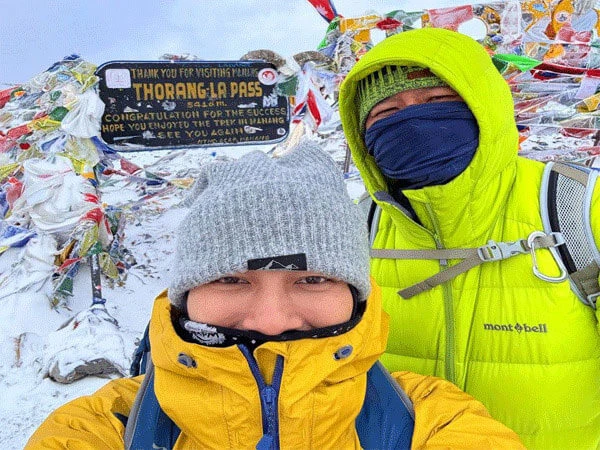
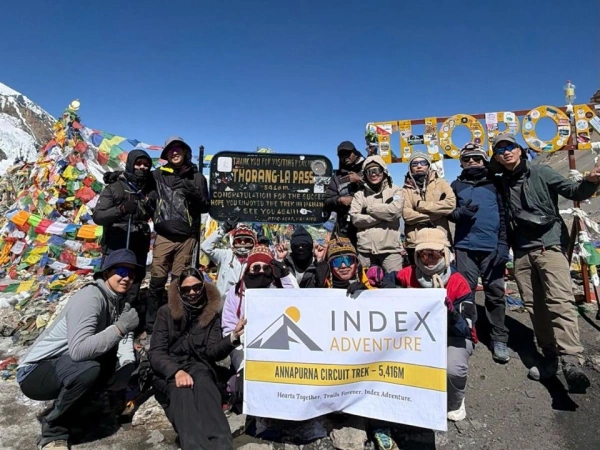
From there, the trail pushes up through Yak Kharka and Thorong Phedi, setting the stage for the crossing of Thorong La Pass at 5,416 metres, the highest and most demanding point of the entire route, with Himalayan panoramas that make the effort worth every step. The descent into Muktinath brings a different kind of reward, a sacred site where Hindu and Buddhist traditions meet at eternal flames and holy water springs, before the hot springs at Tatopani give your muscles the recovery they've been asking for.

The final stretch winds through rhododendron forests toward Ghorepani, with a sunrise hike up Poon Hill offering sweeping views over the Annapurna and Dhaulagiri ranges a fitting close to 15 days and roughly 205 kilometers of one of the world's great mountain walks.

Highlights during Classic Annapurna Circuit

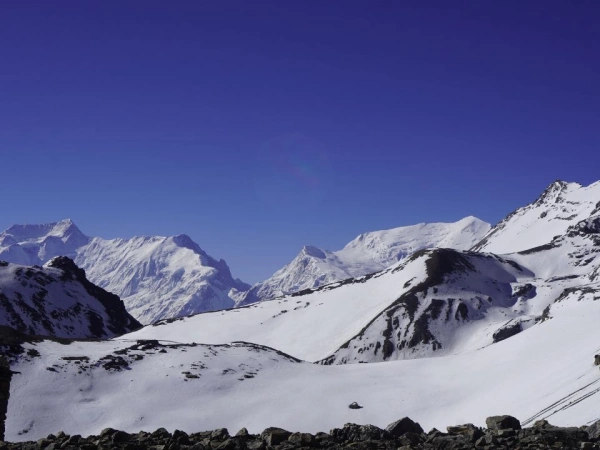
In this journey, you will have the pleasure of crossing the highest pass of the world – Thorong La Pass. The picturesque view of the mountains like Annapurna I, Annapurna II, Annapurna III, Annapurna IV, Annapurna South, Gangapurna, Nilgiri, Machhapuchhre, Dhaulagiri, and other neighboring peaks from the pass is mind-blowing. You will also get a glimpse of Tilicho Lake, the highest lake in the world, and Kaligandaki Gorge, the deepest gorge of the world. Besides, standing in a popular spiritual hub Muktinath and admiring the views of mountains around is a brilliant experience. The eternal flame burning in the temple is a majestic view to see. The sunrise view amidst the mountains from Poon Hill and the hot water bath in the hot springs of Tatopani will make your journey adventurous and rejoicing.

Classic Annapurna Circuit Trek is classified as a moderately difficult trekking journey. As this trek takes you to high altitude region and involves long walks in rough and dry terrain, you need to be physically fit and should possess a good endurance capacity to accomplish your journey. Index Adventure manages everything required for you on the way. A well-experienced guide will accompany you throughout and inform you about the do’s and do not’s for completing your trek successfully.

Best Time

To embark on the Annapurna Circuit Trek, you may wonder when the best time to book this adventure is.

Ideally, the most suitable time for this trek is during the spring (March to May) and autumn (September to November). During these seasons, the climate is dry, and the clear skies offer an awe-inspiring view of the mountains and landscapes.

Spring bestows vibrant hills and valleys adorned with rhododendrons and an array of beautiful flowers, creating an even more captivating vista. In contrast, autumn is characterized by pleasant temperatures and refreshing breezes, ensuring comfortable trekking conditions throughout the day.

It's important to note that the winter months (December to February) can be extremely cold and snowy, while the summer months (June to August) experience heavy rainfall and high humidity. Both of these conditions can make trekking challenging and potentially dangerous. Therefore, it is advisable to avoid these months when planning your Annapurna Circuit Trek.

Difficulty Level of the Journey

If you're contemplating the level of difficulty associated with the Annapurna Circuit Trek, allow us to guide you.

The trek is considered moderate to strenuous due to the high altitude and the substantial distances to be covered. However, with proper preparation and a good level of fitness, this trek is entirely feasible.

The journey reaches its pinnacle at the Thorong La Pass, standing tall at an impressive 5,416 meters (17,769 feet). It is crucial to take necessary precautions against altitude sickness at this height. Therefore, our itinerary has been thoughtfully crafted, allowing ample time for your body to acclimatize to the changing altitudes.

Moreover, the trail is well-marked, and you'll be accompanied by experienced guides throughout the expedition. However, be prepared for some long days of hiking, which will test your endurance and resilience.

Classic Annapurna Circuit Trek Itinerary

Important Note:
If the above itinerary does not meet your needs, we can design individualized travel plans based on your preferences.


You will be picked up and welcomed by our airport representative and transferred to your hotel for check in. You will then be given further details about the program. There are no planned activities for the day so you can enjoy your stay at the hotel and take in its surroundings.

We take a local jeep from Kathmandu to Dharapani. This drive gives you some insight of the rural people - their lifestyle and their culture passing through many villages across Green Nepali foothills. We continue passing through Beshisahar that serves as a hotspot market of entire Lamjung.

The route then follows through the Marsyandi river past various villages like Bhulbhule, Nyagdi and Syange each with their own little quirks before raching Jagat.

Overnight, we spend one of various family-run guesthouse in Dharapani, Breakfast, Lunch and Dinner included.

The trail climbs along the mule track into a fir forest and then follows the river alongside the higher oak and maple trees. On the way you will be awe- struck by spectacular views of major Himalayan peaks. Overnight at Guesthouse, Breakfast, Lunch and Dinner included.
 

Our trial now follows a steep and narrow river valley winding through deep woodland. The view of Pisang peak and Annapurna II on our way is truly amazing. Overnight at Guesthouse, Breakfast, Lunch and Dinner included.

Today we will take the upper route to Ngawal. We will experience more breathtaking scenery as the towering, majestic peaks overwhelm our senses with panoramic views of Annapurna, Pisang peak, and several others. We will notice a change in the landscape and vegetation from today. The cold dry climate creates a much harsher environment.

Overnight at Guesthouse, Breakfast, Lunch and Dinner included.

Leaving Ngawal, the trail descends through Julu and Humde before reaching Braga, a rugged stretch dotted with mani walls, small bridges, and sweeping valley views that open up as you walk. Braga itself is worth a stop, home to the ancient Braga Monastery and nearby Bodzo Gompa, both deeply rooted in Tibetan Buddhist tradition. From there, the trail leads into Manang, the largest village in the region and a natural acclimatization base, ringed by some of the most recognizable peaks on the circuit Annapurna, Gangapurna, and Tilicho.

Most trekkers spend a day or two here, and honestly, that rest isn't just recommended it's necessary before the push toward Thorong La Pass. If you've got the energy, the hike up to Gangapurna Lake makes for a solid acclimatization day hike with views that more than justify the effort.

This day is set aside for acclimatization to the higher altitude. We’ll spend our time visiting the monastery with a side trip to Gangapurna Lake. We can also look around the local villages and visit the Himalayan Rescue Association Clinic. Overnight at Guesthouse, Breakfast, Lunch and Dinner included.

From Manang village, the trail crosses a stream, ascends to the village of Tenki above Manang, and then continues to climb out of the Marshyangdi Valley turning northwest up the valley of Jarsang Khola. We’ll then follow the valley northward, passing pastures and a scrub of juniper trees, as it steadily gains elevation. Further on we pass the small village of Ghunsa - a cluster of flat mud roofs just below the trailhead. Now the trail goes through meadows where horses and yaks contentedly graze. We cross the river on a wooden bridge and passan ancient Mani wall in a pleasant meadow before arriving at another small village - Yak Kharka. Gentle but gradual ascent is the key to avoiding altitude problems. Overnight at Guesthouse, Breakfast, Lunch and Dinner included.

We will make our way to the foot of the pass to Throng Phedi. This is a small yet busy settlement catering to the needs of tired trekkers and climbers. Groups such as ours use this point as a base camp. Some members of the group might want to hike to the High Camp today to make next day easier for them –although the Index Adventure have reservations about this. There is a tough day planned for tomorrow and we stop at Thorong Phedi in order to sleep soundly (rather than risk a less peaceful night in the higher altitude at High Camp). Overnight at Guesthouse, Breakfast, Lunch and Dinner included.

We will make an early start on our climb to the pass. We need to be fresh for the initial stage of ascent is very steep. As we approach the peak the trail becomes slushy from melting snow. After making our way through rocky ridges, we arrive at the top of the pass (5416m). The top offers an indescribably magnificent 360 degree panorama of snow capped peaks extending northwards into Tibet. Looking back, we can see several peaks of Annapurna and in front of us is the beautiful gorge of Kali Gandaki. Our trail then descends steeply down to Muktinath (3800m) - an important pilgrimage sight for Hindus. It is a special place and home to many ethnic Tibetans and devout Buddhists. Overnight at Guesthouse, Breakfast, Lunch and Dinner included.

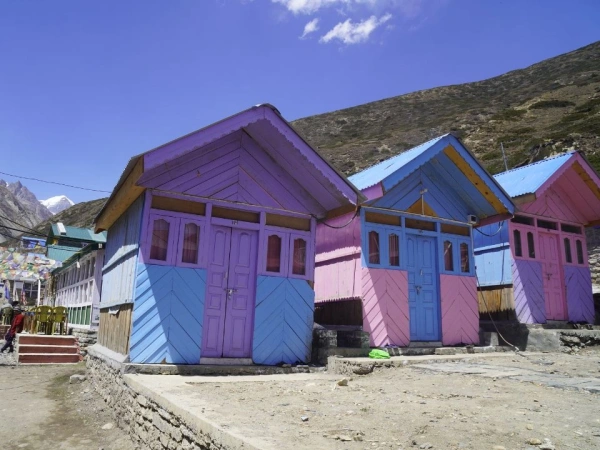
The drive to Tatopani follows the Kali Gandaki River, the world's deepest gorge, passing through a string of memorable stops: Kagbeni, Jomsom, and Marpha, with its apple orchards and whitewashed houses that still carry the quiet character of Nepal's former Forbidden Kingdom. The route continues through Kalopani, where Annapurna I dominates the skyline like nowhere else on the circuit, then drops through Upper and Lower Ghasa as the dry, windswept Mustang landscape gives way to thick green forest. After roughly 4 to 6 hours of driving, you roll into Tatopani and by that point, your legs will have earned it. The hot springs here are the real draw, and after days of grinding up rocky mountain trails, soaking in them feels less like a tourist activity and more like a genuine recovery. It's one of those simple pleasures that hits differently when your body actually needs it.

Leaving the hot spring behind, we ascend again to Ghorepani arriving mid-afternoon. Overnight at Guesthouse, Breakfast, Lunch and Dinner included.

Hike to Poon Hill (3210m) and trek to Nayapul then Pokhara, 7 hours hike and an hour drive
This morning, we will get up early and hike to Poon Hill. From here you will see a superb view of the sunrise and a panoramic view of the Himalaya, including Mt. Dhaulagiri, Annapurna South, Fishtail, and others. After visiting Poonhill, we will come back to Ghorepani, have a hot breakfast, and trek down to Nayapul then short drive to Pokhara. Overnight at Hotel, Breakfast and Lunch included.

Scenic drive back to Kathmandu by tourist bus, 6 hrs. Overnight at hotel, Breakfast included

Note: Instead of driving from Pokhara to Kathmandu, you can opt for domestic flights. The drive usually takes 6-7 hours or more, depending on traffic, and can be exhausting. The flight duration is 25 minutes in the air, and the additional cost is USD 115 per person.

Approximately 3 hours before the scheduled flight a representative from Index Adventure will take you to the airport. Breakfast included.

cta
Customize and Book Trip
Embark on a journey of discovery with us: Index Adventure gives you unforgettable holiday experience.
Customize Trip

Cost Details

Includes

  • All airport/hotel transfers by private vehicle
  • Two nights' accommodation with breakfast at a 3-star hotel in Kathmandu
  • A night accommodation with breakfast at a 3-star hotel in Pokhara
  • Full board meals with tea/coffee (breakfast, lunch and dinner) during the trek
  • Best available twin-sharing room for accommodation during the trek
  • Surface transfer from Kathmandu – Beshisahar by private car and from Beshisahar to Syange by local jeep
  • Surface transfer from Pokhara – Kathmandu by tourist bus
  • An experienced English-speaking trekking guide and porter to carry luggage (2 trekkers: 1 porter), including their salary, insurance, equipment, flight, food and lodging
  • Down jacket, four-season sleeping bag, Index Adventure duffel bag, t-shirt, and trekking map (down jacket and sleeping bag are to be returned after trip completion)
  • All necessary paperwork and permits (ACAP, Trekking permit)
  • A comprehensive medical kit
  • All government and local taxes

Excludes

  • Meals not specified in the "Meal Inclusions" in the itinerary"
  • Travel insurance
  • International airfare
  • Nepal entry visa: You can obtain a visa easily upon your arrival at Tribhuwan International Airport in Kathmandu. (a multiple-entry tourist visa good for 30 days can be obtained by paying US $40 or equivalent foreign currency. Similarly, multiple-entry tourist visas for 90 days can be obtained by paying US $ 100. Please bring 2 copies of passport-size photos.
  • Hot showers during the trek
  • All kinds of cold drinks, e.g., water, coke, fanta, juice, etc.
  • Personal trekking equipment
  • WI-Fi internet during the trek
  • Tips for trekking staff and driver

Add-ons & Options

With us, Index Adventure, the Annapurna Circuit with Nar-Phu Valley Trek carries quiet gifts along the way—small touches deeply rooted in care. Our add-on services aren’t surplus; they’re gentle hands that steady your path, warm moments around shared tea, and local wisdom that opens the trail like a conversation, making your Annapurna Circuit Trek premium.

Each offering is chosen not to impress, but to hold space for you to feel the adventure of Annapurna more fully, more closely, more truly.

Porter Service – US$230: Let our experienced porter carry your load so you can wander freely and take in the beauty around you. One porter can be shared between two trekkers, carrying a total of up to 25 kg (55 lbs).

Kathmandu to Dharapani via Private Jeep – US$280: Enjoy a relaxing ride back to Kathmandu in a private jeep. Each jeep fits up to 6 passengers.

Private Jeep from Muktinath to Pokhara – US$200: Kickstart your trip in style with a private jeep—easy, comfortable, and built for the bounce. Each jeep fits up to 6 passengers.

Flight from Jomsom to Pokhara—US$170 per person (flight time 15 minutes).

Flight from Pokhara to Kathmandu—US$106 per person (flight time 20 minutes).

Equipments

Things to Pack for Nepal Trip and Trek

What should be on your packing list for trekking in case you are going on an adventurous trekking tour to Nepal? Nepal boasts one of the most magnificent scenic views, spectacular mountains, and diverse cultures, making it a dream global trekking destination. Before trekking in Nepal, one needs to be well prepared because of the different terrains, weather conditions, and altitudes. In order to get the best out of your trekking visit, this ultimate packing guide of trekking in Nepal will cover all that is essential: a list of items you could carry with you, clothes, supporting trekking gear, hygiene, documents, etc.

Preparing to go trekking in Nepal can be very overwhelming, but with the right gear and equipment, you should be in a position to withstand anything that the path presents to you. This list is designed for popular treks, including Everest Base Camp, Annapurna Circuit, and Langtang Valley, among others. The list can be adjusted depending on the trek's difficulty and season. This latest and updated travel checklist helps you pack smart and trek with confidence.

List of essential packing items

In the trekking, there are thousands of trekkers using costly fashion equipment, and they use outdoor fashion, but we advise you to be ready with hiking equipment that is comfy and sturdy.

  • Insulation Layer (Fleece/Down Jacket): Will be needed during cold weather.
  • Thermal Base Layers: Help to keep the body warm when it is cold or when it comes to high altitude.Your second actual skin; bring the highest quality (2 sets).
  • Fleece Pullover Hoodie: a garment that keeps you warm even when the water condenses on the inside when it is raining. Taking two, both at low-level and at high-level, comes in handy.
  • Lightweight Thermal Tops: This is cool when you do not wear a base layer.
  • Water, Rain, and Snowproof Outer Shell: recommended to use water, rain, and snowproof (in case of bad weather).
  • Hiking Shorts (Optional): They can be good in lower altitudes and on sunny days.
  • Hiking T-Shirts (2-3): convenient, breathable, fast-drying tops to wear every day. At a lower altitude.
  • Trekking Pants (2-3): Loose, comfy, flexible pants to be comfortable on the trail. Lightweight, quick-drying paints (no jeans, please).
  • Down Pants: Bonus heat at night or on a high-altitude trek.
  • Liner + Insulated Gloves: Cold hands will be kept warm and will be isolated from wind and snow. Should take two light ones and a heavyweight water/windproof. Cold hands will be kept warm and will be isolated from wind and snow.
  • Sports Bra for Girls: When you are hiking, a good sports bra should be considered.
  • Sportswear Underwear (5-7 pieces): Moisture-wicking to avoid annoyance and irritations. Quick dry.
  • Woolen Hat: This will come in handy when it is starting to get cold in the evenings and in the morning hours to keep your head warm.
  • Sun hat/cap: It protects one against the sun at high altitudes.
  • Neck Gaiter/Buff: Very useful in the sun and dust or cold wind.

Footwear for Hiking in Nepal

  • Trekking Socks (3-5 pairs): These socks are meant to lower the possibility of blisters and visible processes that take a short duration to dry.
  • Warmer Socks (1-2): Wear during sleep or in an unfavorable climate in cold weather.
  • Trekking boots: A pair of sturdy, already used, and comfortable up-to-the-ankle boots made to provide support, traction, and repelling during mountainous and rough trail activities.
  • Trail Running Shoes: These are breathable and lightweight and are ideal when on more maintained paths or elevations, where the shoes do not need tough materials.
  • Camp Shoes/Sandals: They are convenient and comfortable, and wearing shoes that are worn to the house after an overnight camp or river crossing after a strenuous day of trekking.
  • Gaiters (Optional): These cover over the boots so that one is protected against the snow or rain, or on muddy footpaths, mud will not enter the shoes.
  • Crampon-compatible Boots: In case you are planning to trek into high-altitude or glacier-covered parts, then crampons are a must on icy surfaces that cannot be fitted into just any boot.

Gears and Equipment for trekking in Nepal

  • Packing a 30-50L backpack on a personal basis: Its contents include items such as clothes, snacks, and water that may be carried around during the day.
  • Duffel Bag 70L: A larger bag used to carry most of your equipment, which must be waterproof. It should be recommended only when you are going to use Porter.
  • Daypack with Rain Cover: A daypack is also essential on your trekking adventure in Nepal, regardless of whether you are carrying a porter or not. Day pack size recommendation is 25-30L with a rain cover, which keeps water and snow out of your pack and contents.
  • Sleeping Bag Liner (-20°C): Also, it is highly advisable to bring your own after coming from a sleeping bag and in case you plan to rent a sleeping bag. Insulates and makes your sleeping bag less in need of washing.
  • Trekking Poles: This is optional, though being knowledgeable of their use will help lessen the burden on the knees and enhance steadiness on inclined or uneven ground.

Accessories for trekking in Nepal

  • Extra Batteries Headlamp: These can be used on early morning walks, during power failure, or when one arrives late.
  • Water Bottles / Hydration Bladder: Makes you hydrated; it is easier to drink on the move as the bladder can be sipped from. Plastic waste can be reduced through the use of a reusable water bottle.
  • Water Purification Tablets or Filter: Garrafones are the local sources used in providing safe drinking water.
  • UV Protection Sunglasses (UV Protection): Cover the eyes against excessive sun and snow light.
  • SPF 50+ sunscreen/SPF lip balm: Avoids sunburn and dry lips, too.
  • Towel (quick-dry): To wash or wipe at teahouses or streams.
  • Toiletries (eco-friendly): Toothbrush, toothpaste, a sheet of toilet paper, and biodegradable soap.
  • First Aid Kit (Personal): Covers the essentials of bandages, an antiseptic, altitude medication, pain relievers, and any particular medication you might need.
  • Snacks (energy bars, nuts, and chocolates) come in handy to provide instant energy when hiking hours are long.
  • Notebook and Pen (Optional): To journal or document life.
  • Trash Bags: Carry some trash bags to pack and dump your waste, and keep them clean.
  • Phone Charger: Have a fully charged cell phone and car charger.
  • Power Bank: A power bank means that your gadgets do not run out of power.
  • Local SIM Card: Buy a local SIM card (NTC or NCELL) that will enable you to connect well in distant regions.
  • Cash (Around 25k to 30k NRS): Keep some cash along with that, which will help you take care of the expenses because on the trek route, ATMs may be few.
  • Map and Compass / GPS: Always bring the appropriate geographical tools to prepare yourself.
  • Camera and Binoculars: A camera and binoculars can be used to take pictures of the beautiful landscapes and to observe animals.

Documents for Trekking in Nepal

  • Passport: Should be valid for more than 6 months, required when making identification, booking flights, checking into a hotel, and applying for permits.
  • Nepal Visa (Some countries need to obtain this in their homeland): One must have a tourist visa to enter Nepal, and it can be acquired either on arrival at the Tribhuvan International Airport or online.
  • Trekking Permits: Get permits of any kind that you will need when taking the particular trekking route.
  • Passport-sized Photos (For now, digital and instant photo-click options are available): Required by such things as TIMS (not necessary) and park entry; take about 4-6 copies
  • Travel Insurance (with emergency evacuation): Highly advised when hiking in high altitudes; it is necessary to ensure helicopter rescue, sickness, accidents, and trip cancellation.
  • Airline Tickets / Itinerary Copies: On international flights, as well as domestic flights (e.g., to Lukla, Pokhara); handy at the checkpoints or in planning.
  • Permit Payment Proof: You can be asked to show a receipt or a copy that you have paid for your permits in the trails or at the entrance to the park.
  • Address to use in cases of emergency: Ought to be handy or given to your trekking agency or guide.

Trekking Equipment Provided by Index Adventure

  • Quality Sleeping Bags (-15 degrees Celsius rated): For warmth and comfort during the trek, especially at higher altitudes.
  • Premium Down Jackets (-15 degrees Celsius rated): Provide essential insulation against the cold.
  • First-Aid Kit: A comprehensive kit with necessary medications, an oximeter, and supplies for minor injuries and illnesses.
  • Crampons: For traversing icy and snowy paths.
  • Water Purification Tablets: To ensure safe drinking water.

FAQs for Classic Annapurna Circuit Trek

Absolutely, you can extend your Annapurna Circuit with the Tilicho Lake Package itinerary at no additional cost. In order to maintain the top-notch safety of our clients, we have specially crafted a 15-day Annapurna+ Tilicho Lake Itinerary.

Yes, valid travel insurance is essential for trekking in Nepal, even though it is not mandatory. We advise that you check your travel insurance thoroughly, even small font information, before traveling to Nepal from your Homeland. It should cover High-altitude over 5000 m, heli rescue, unexpected delays or cancellations, and many more.

During your rest day at Manang, Ice Lake (Kicho Tal, 7 - 10 hours in total) is generally recommended over Gangapurna Lake and Chongkor Viewpoint.

Gangapurna Lake is closer (10-20 minutes), easier, and offers views of the surrounding mountains, making it best suited for those who want to rest and explore the Manang Valley. The Ice Lake provides a more thrilling, rewarding experience with its stunning panoramic views of the Himalayas and a clear view of Manang village.

To trek to the Annapurna Region, you will need two entry permits: Annapurna Conservation Area Permits & TIMS cards. However, we don't need a TIMS card per the new authorization.

But if you wish to join or extend your trip to the Nar and Phu valley, you need to have a special permit. Please inform us earlier so we can arrange it accordingly.

The highest point is Thorong La Pass. The altitude of this mountain pass is 5416m (17,769 feet), and it lies between the villages of Manang and Muktinath. To conquer this pass, we start our hike before sunrise as the weather in the morning is pleasant and we can easily cross the pass before 10 AM.

According to our client feedback and our experience, Thorong Phedi is much safer than High Camp. Some of the travelers and trek agencies may take their clients to High Camp, which is nearly 5000m high. We strongly recommend not hiking after Thorong Phedi on the same day. Follow our well-maintained itinerary and the guidelines from your trekking leaders.

The only benefit of sleeping at High Camp is that you have a better chance of starting your hike to Thorong La Pass.

All the lodges have electricity, and you can charge your electronic devices there. However, keep in mind that charging is very limited and may not even work sometimes due to technical difficulties. The lodges usually charge a fee for the charging stations, and the price may vary to place.

Starting from Dharapani and ending at Muktinath, the Annapurna Circuit Trek covers approximately 75 - 80 kilometers (47 - 50 miles) according to our package. For this, we will pass by the different notable villages like Chame, Pisang, Yak Kharka, and High Mountain Pass Thorong La before culminating at Muktinath.

Annapurna Circuit Trek in Nepal is generally considered moderately difficult. That said, even if you have no previous trekking experience in the Himalayas, you are welcome to trek. However, the difficulty varies based on individual fitness, age, experience, walking pace, and the specific itinerary chosen.

While it's achievable for many, even novice trekkers, without proper preparation, certain sections and altitude changes can be challenging.

The best time to book the Annapurna Circuit Trek is during the peak trekking seasons, which are March-April-May and from September-October-November. During these months, the weather is generally clear and dry, and the scenery of the Himalayan ridges is magnificent.

We don’t recommend Annapurna Circuit Trekking during the winter season (January to Feb) and the summer season (July to August).

You May Also Like

Annapurna Circuit Trek

Annapurna Circuit Trek - 12 Days

12 Days
6 reviews
Price From
US$985
Need Help? Call Us+977 9851167996