Father's Day Nepali date 2083: Father's Day in Nepal (known as Kushe Aunsi or Buwa ko Mukh Herne Din) falls on Friday, September 11, 2026 (Bhadra 26, 2083 BS). This traditional lunar festival is celebrated by showing reverence to living fathers with gifts and feasts and by honoring deceased fathers at holy sites
Father's Day in Nepal 2026: Kushe Aunsi Date 2083
When is Father's Day in Nepal?
Search "father's day kab hai" or "when is father's day in Nepal," and you will get a different answer depending on the year, because Nepal does not fix this day to a calendar date the way most of the world does. It moves every year, tied to the moon rather than the sun.
Quick Answer: Father's Day in Nepal, known as Kushe Aunsi or Buwa ko Mukh Herne Din, falls on Friday, September 11, 2026 (Bhadra 26, 2083 BS). International Father's Day, observed in the US, UK, India, the Philippines, South Africa, and most of the world, falls on Sunday, June 21, 2026, the third Sunday of June. The two are entirely separate observances on separate calendars.
This guide goes deep: the exact 2026 date, the full history of both Nepal's Kushe Aunsi and the international holiday, every ritual practiced, what visiting Gokarneshwor Mahadev Temple on this day actually looks like, how the celebration differs across Nepal and the world, and an honest set of gift ideas.
Father's Day in Nepal 2026: Quick Facts
|
Detail |
Information |
|
Nepali names |
Kushe Aunsi, Buwa ko Mukh Herne Din, Gokarna Aunsi, Pitri Tirpani Aunsi |
|
2026 date (Gregorian) |
Friday, September 11, 2026 |
|
2026 date (Bikram Sambat) |
Bhadra 26, 2083 BS |
|
2025 date (for reference) |
Saturday, August 23, 2025 (Bhadra 7, 2082 BS) |
|
Calendar basis |
Nepali lunar calendar, new moon day of Bhadra |
|
Literal meaning |
"The day to look at your father's face" |
|
Religious basis |
Hindu, Bhadra Krishna Aunsi (dark fortnight new moon) |
|
Main ritual site |
Gokarneshwor Mahadev Temple, Kathmandu |
|
Other significance |
Birth anniversary of Nepali writer Motiram Bhatta |
|
Public holiday status |
Not a government holiday in Nepal |
|
International Father's Day 2026 |
Sunday, June 21, 2026 |
|
International date basis |
Third Sunday of June |
When Is Father's Day in Nepal 2026?
Father's Day in Nepal falls on Friday, September 11, 2026, which is Bhadra 26, 2083 BS in the Bikram Sambat calendar. This day is observed on the new moon day of Bhadra according to the Nepali lunar calendar, so the exact Gregorian date shifts every year, but it usually falls in late August to mid-September.
The reason the date moves is structural, not arbitrary. The festival falls on the new moon day of the Hindu month of Bhadra, in the dark fortnight (Krishna Paksha). Since the Nepali calendar tracks lunar cycles rather than fixed solar dates, every Aunsi (new moon) festival drifts against the Gregorian calendar year over year.
Here is how the date has moved across recent years, useful if you have searched "father's day Nepali date 2082" or "2083" specifically:
|
Bikram Sambat Year |
Gregorian Date |
Day of Week |
Source Confirmation |
|
2079 BS |
September 16, 2022 |
Friday |
ImNepal cultural records |
|
2080 BS |
September 5, 2023 |
Tuesday |
Nepali Patro |
|
2081 BS |
September 2, 2024 |
Monday |
Rising Nepal Daily |
|
2082 BS |
August 23, 2025 |
Saturday |
NTB.gov.np |
|
2083 BS |
September 11, 2026 |
Friday |
Confirmed multiple sources |
That swing of nearly three weeks between 2025 and 2026 explains why generic "Father's Day Nepal" answers go stale fast. Always check the current BS year.
Why Is Father's Day in Nepal Called Kushe Aunsi 2083?

The name is built directly from the central ritual of the day. "Kushe" refers to a sacred grass called "kush," and "Aunsi" means new moon day. In Hindu tradition, Kush grass holds religious significance and is believed to purify and sanctify.
On this day, people bring Kush, a sacred herb, into their homes. It is believed to absorb bad vibrations in the atmosphere and cleanse whatever it touches, so people usually keep it near water sources, storerooms, and kitchens. The grass is associated with Lord Vishnu in Hindu belief and is treated as a household purifying object for the year ahead.
The festival carries multiple names depending on region and community:
- Kushe Aunsi: the most common name, referencing the sacred grass ritual
- Buwa ko Mukh Herne Din: "the day to look at father's face," the literal Nepali phrase
- Gokarna Aunsi: named after Gokarneshwor Mahadev Temple, the main pilgrimage site
- Pitri Tirpani Aunsi: referencing ancestor worship and offerings to forefathers
- Babu ko Mukh Herne Din: an alternate phrasing used in some regions
In Nepal Bhasa, the language of the Newar community, the day is called "Abua ya khoa soyegu din," which also translates to "to see the faces of fathers."
The cow-eared incarnation of Lord Shiva, known as Gokarneswor Mahadev, is worshipped on this day, which is why the temple bearing his name in northeastern Kathmandu becomes the festival's central gathering point.
The Cultural and Religious Roots of Kushe Aunsi
Kushe Aunsi sits inside a larger system of Nepali festivals built around honoring specific family relationships, each tied to its own Hindu lunar date. Kushe Aunsi serves as Father's Day, Matatirtha Aunsi as Mother's Day, and Guru Purnima as Teacher's Day. Fathers are considered the strongest pillar of the family: the protector, the teacher, and the saviour.
The day also carries unexpected literary significance. The day is also marked as the birth anniversary of Nepali litterateur Motiram Bhatta, who made significant contributions to enriching Nepali language and literature. This dual meaning, honoring both fathers and one of Nepal's foundational writers, adds a layer most visitors and even many younger Nepalis are unaware of.
There is also a belief tied to "pitridevo bhava," meaning reverence to ancestors as living gods. As per this religious belief, sons and daughters receive blessings from their fathers on this day, while those whose fathers have passed perform rituals in their memory.

Traditions and Rituals of Father's Day in Nepal
For Living Fathers
The core act of the day is simple: children return home specifically to see their father, regardless of distance or how demanding their schedules have become. On this auspicious day, sons and daughters go home to meet and spend quality time with their fathers. Home-cooked delicacies, sweets, meat, and other gifts are offered to all fathers. On the streets, married daughters are seen carrying goodies on their way to their maternal homes to meet their fathers, no matter how busy their schedules are.
A specific ritual involves a tika blessing. Sons touch their father's feet and receive a tika as a blessing. This particular gesture of touching feet is traditionally reserved for sons rather than daughters, as daughters are regarded in some cultural interpretations as Kumari, or living goddesses, within the family structure. This is a nuance worth knowing if you encounter the ritual directly, as the gendered distinction in this specific gesture is a long-standing cultural practice rather than a modern addition.
The Bathing Taboo
One of the lesser-known customs surrounding Kushe Aunsi involves bathing. According to a long-held belief in Nepali culture, those whose fathers are still living are advised not to bathe on the day of Aunsi, based on the idea that doing so could symbolically diminish the father's lifespan. Conversely, those who have lost their father are expected to bathe on this day as part of the mourning and remembrance ritual.
For Deceased Fathers
This is the dimension of Kushe Aunsi with no real parallel in most Western Father's Day traditions. A special fair is organized at the premises of Gokarneshwor Mahadev Temple, in the area known as Uttargaya in northeastern Kathmandu. The temple's Aunsi observance is specifically known as Gokarne Aunsi because of this gathering. Crowds assemble at the temple to offer tarpan, pinda daan, and sidha daan in the name of departed fathers.
Families across Nepal travel specifically to perform Shraddha, a ritual offering of food and prayer believed to bring peace to a deceased father's soul. The eldest son traditionally leads this ceremony, performing Pinda Daan, the offering of rice balls meant to nourish and settle the father's spirit in the afterlife.
Different communities across Nepal observe their own parallel versions. Gurung families perform Bayupuja or Pitripuja during specific lunar windows tied to Mangsir or Baishakh Purnima. Tamang Buddhist communities hold a collective Gheva ceremony, organized through community groups, offering food, drink, and money on behalf of the deceased's family. Brahmin and Vajracharya priests receive offerings on behalf of families unable to travel to Gokarna in person.
Traditional Foods
No Kushe Aunsi observance is complete without specific Nepali dishes prepared at home. Dal bhat with tarkari forms the base of the meal, frequently accompanied by meat curries. Sel roti, Nepal's traditional ring-shaped sweet rice bread, is a near-universal addition to the day's spread. A ceremonial food and drink offering called "Sagun" is also presented to the father as part of the blessing ritual.
Visiting Gokarneshwor Mahadev Temple on Kushe Aunsi
If you happen to be in Kathmandu during Kushe Aunsi, the temple experience is genuinely worth witnessing, even as an outside observer.
The Gokarneshwor Mahadev Temple, located on the northeastern edge of Kathmandu, becomes the epicenter of activity during Kushe Aunsi. Thousands of devotees, dressed in traditional attire, gather from early morning to offer prayers and perform Shraddha rituals along the banks of the Bagmati River. The temple, surrounded by lush greenery and historical stone carvings, offers an immersive experience for visitors.
The atmosphere extends well beyond the temple grounds. Cultural tourists are drawn not only to the religious ceremonies but also to the vibrant local market that springs up during the festival, selling flowers, fruits, ritual items, and souvenirs. Photographers and cultural researchers find this day particularly fascinating for its combination of spirituality, architecture, and human emotion on display.
If you plan to visit, arrive in the early morning hours. Ritual activity peaks before midday, and the crowds at the riverbank ghats grow significantly busier as the morning progresses. Dress respectfully, as this is an active religious site during a deeply meaningful family observance, not a tourist photo-op.
Inside Kathmandu, market shopping for the festival also builds noticeably in the days before. The major marketplaces in the capital stay busy from early morning with people shopping for sweets, fruits, and gifts for their fathers.
How Father's Day Differs Across Nepal
Kathmandu and Urban Areas:
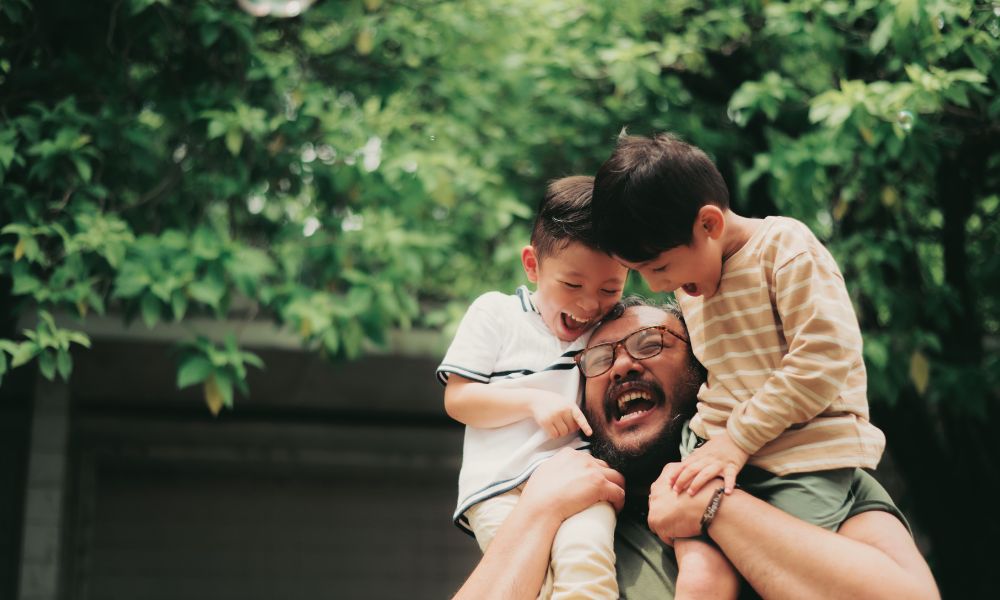
The capital sees the most visible, commercially active version of the day. Temples such as Gokarna draw large crowds performing both celebratory and remembrance rituals. Urban families increasingly layer in modern gestures, restaurant dinners, electronics, and clothing gifts, on top of the traditional rituals.
Rural Nepal:
Outside the cities, the observance remains closer to its traditional form. Family gatherings center on home-cooked meals and direct rituals rather than market shopping, with less commercial pressure and more emphasis on the act of physically returning home.
Nepali Communities Abroad:
For the large Nepali diaspora, the day takes a different shape entirely. Video calls replace in-person visits where travel is not possible. Remittance and gift-delivery services see a spike in usage in the days leading up to Kushe Aunsi, allowing expats in the Gulf states, Australia, the UK, and elsewhere to send money or gifts home in time. Many families abroad recreate small versions of the ritual, bringing in symbolic items where Kush grass itself is not available, keeping the cultural thread alive across continents.
How Father's Day in Nepal Differs From International Father's Day
|
Factor |
Nepal (Kushe Aunsi) |
International Father's Day |
|
Calendar system |
Lunar (Bikram Sambat) |
Fixed Gregorian date |
|
2026 date |
Friday, September 11 |
Sunday, June 21 |
|
Basis for date |
New moon day of Bhadra |
Third Sunday of June |
|
Origin |
Hindu religious tradition, ancient roots |
Civic holiday, founded 1909-1910 in the US |
|
Public holiday |
No |
No, in most countries |
|
Core ritual |
Temple visits, Shraddha, Kush grass, tika |
Cards, gifts, family meals |
|
Honors deceased fathers |
Yes, central ritual element |
Not typically a formal ritual |
In 2026, the International Father's Day date falls on Sunday, June 21, continuing the tradition of dedicating this day to fatherhood. Nepal's Kushe Aunsi follows an entirely separate religious and lunar system, so the two dates almost never align, and the gap between them shifts every year.
The History of International Father's Day
Understanding where the global June observance comes from helps explain why it looks so different from Nepal's version.
On July 5, 1908, a West Virginia church sponsored the nation's first event explicitly in honor of fathers, a Sunday sermon in memory of 362 men who had died in the previous December's explosions at the Consolidated Coal Company mines in Monongah. This one-time memorial did not become an annual tradition.
Father's Day was first proposed by Sonora Smart Dodd of Spokane, Washington, in 1909. Dodd's father, a Civil War veteran, raised her and her five siblings alone after their mother died in childbirth. She came up with the idea in 1909 while listening to a Mother's Day sermon, recognizing that fathers deserved a similar tribute.
Father's Day was founded in Spokane, Washington, at the YMCA in 1910 by Sonora Smart Dodd. Its first celebration was at the Spokane YMCA on June 19, 1910. Sonora's father was born in June, which is why she chose to hold the first Father's Day celebration in that month. The holiday was proclaimed by local government, and red and white roses were handed out, red for living fathers, white for fathers who had passed, becoming an official symbol of the day.
The holiday took decades to gain federal recognition. President Calvin Coolidge gave his public support to Father's Day in 1924. The holiday was officially recognized by a Joint Resolution of Congress in 1956. A decade later, President Lyndon Johnson signed a presidential proclamation declaring the third Sunday of June as Father's Day. Legislation signed by President Richard Nixon finally established it as a permanent national holiday in 1972.
By 1913, the holiday was already being celebrated in Canada, Germany, Hawaii, India, Mexico, and Sweden, spreading well beyond the United States long before it received formal federal recognition at home.
Father's Day Around the World
The June date is far more universal globally than most people realize, but it is not universal.
|
Country/Region |
Date in 2026 |
Basis |
|
United States, UK, Canada, France |
Sunday, June 21 |
Third Sunday of June |
|
India |
Sunday, June 21 |
Third Sunday of June |
|
Philippines |
Sunday, June 21 |
Third Sunday of June, observed culturally though not a strict public holiday |
|
South Africa |
Sunday, June 21 |
Third Sunday of June |
|
Pakistan |
Sunday, June 21 |
Third Sunday of June |
|
Singapore |
Sunday, June 21 |
Third Sunday of June |
|
Nigeria, Kenya |
Sunday, June 21 |
Third Sunday of June |
|
Australia, New Zealand |
First Sunday of September |
Local tradition |
|
Brazil |
Second Sunday of August |
Local tradition |
|
South Korea |
May 8 |
Combined with Parents' Day |
|
Italy, Spain, Portugal |
March 19 |
Feast of Saint Joseph (Catholic tradition) |
|
Germany |
Ascension Day (movable) |
40 days after Easter |
|
Nepal |
Friday, September 11 (2083 BS) |
Lunar calendar, new moon of Bhadra |
In the Philippines, Father's Day is not an official public holiday, though it has been recognized through presidential proclamation in the past. The country has celebrated the day since the 1980s, and the third Sunday of June remains the date most families, schools, and businesses use. South Africa, along with the US, UK, France, Greece, Japan, Canada, and the Netherlands, observes the holiday on the third Sunday of June.
Bhutan, Nepal's Himalayan neighbor, does not follow a widely standardized Father's Day tradition tied to a fixed date the way the Philippines or South Africa do. Information on a formal national observance remains limited and inconsistent across sources, so treat any specific date for Bhutan with caution until confirmed by an official government or cultural source.
Father's Day Quotes and Wishes for Nepal 2026
If you are looking for something to write alongside a gift or post for the day, here are options that work for both the international June date and Nepal's September observance.
Quotes:
- "A father's love is the foundation of strength and wisdom."
- "Dads: our first heroes and lifelong guides."
- "To the man who taught us to dream big and work hard, Happy Father's Day."
- "A father doesn't tell you how to live; he shows you."
- "Thank you, Dad, for every sacrifice and every smile."
Social Captions:
- "Celebrating the one who's been there every step of the way. #HappyFathersDay"
- "To the world's greatest storyteller, supporter, and superhero, thank you, Dad."
- "Here's to Dad: the first to catch us when we fall."
Short Messages:
- "Happy Father's Day, Dad! Thanks for being you."
- "Love you, Dad. Happy Father's Day, Baba!"
- "Couldn't have asked for a better Dad. Happy Father's Day!"
Father's Day Gift Ideas in Nepal
Budget-friendly and thoughtful:
A handwritten letter or card. A framed family photo. Homemade sweets or snacks prepared specifically for him.
A step further:
Personalized clothing or accessories. His favorite drink. A home-cooked meal made specifically the way he likes it, rather than ordered in.
For the father who would rather be outdoors:
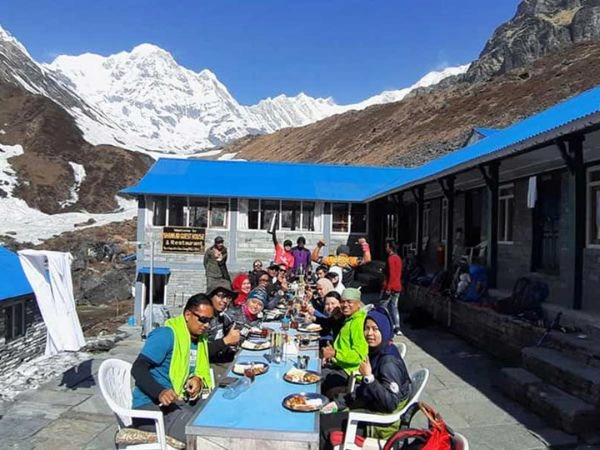
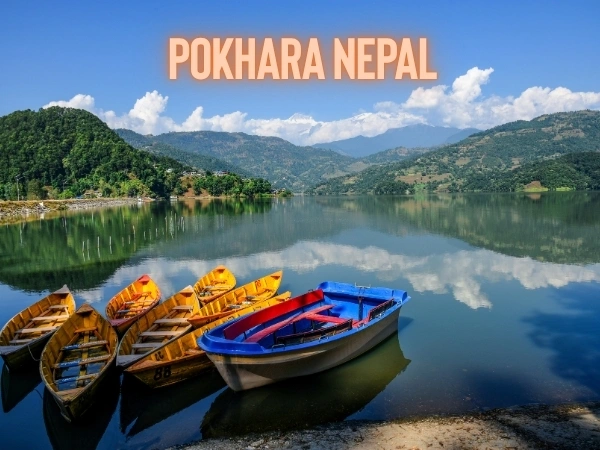
If your father is the type who has spent more weekends on a trail than relaxing at home, the most meaningful gift is usually time spent together outside, not another wrapped box. A short trek to somewhere he has always mentioned but never booked. Proper trekking gear if his current kit has seen better seasons. A weekend trip to Pokhara or one of the short treks near Kathmandu, where the actual time together becomes the gift.
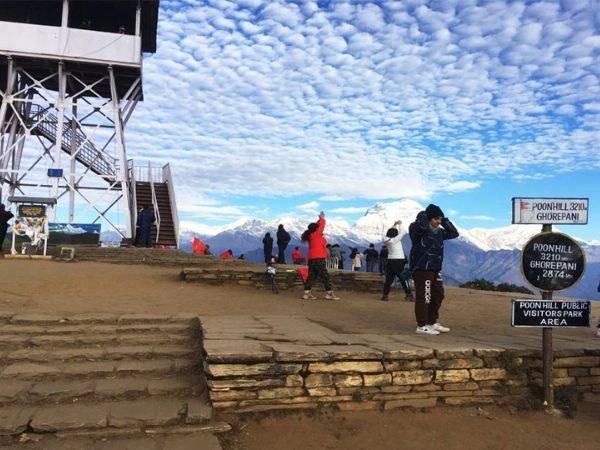
Index Adventure runs short, father-son-friendly treks, including the 3-day Ghorepani Poon Hill route and Kathmandu Valley day treks, both of which work well as a Kushe Aunsi gift for fathers who value trail time over things.
Frequently Asked Questions
When is Father's Day in Nepal 2026?
Father's Day in Nepal falls on Friday, September 11, 2026, corresponding to Bhadra 26, 2083 BS. It is observed on the new moon day of the Hindu month of Bhadra.
Buwa ko mukh herne din kaile ho 2026?
Buwa ko Mukh Herne Din 2026 falls on Friday, September 11, 2026 (Bhadra 26, 2083 BS in the Nepali lunar calendar).
When is Kushe Aunsi 2026?
Kushe Aunsi 2026 falls on Friday, September 11, 2026, which is Bhadra 26 in the 2083 Bikram Sambat calendar.
When was Father's Day in Nepal 2025 (2082 BS)?
Father's Day in Nepal 2082 BS fell on Saturday, August 23, 2025, corresponding to Bhadra 7, 2082 BS.
Father's Day kab hai in Nepal?
In Nepal, Father's Day (Kushe Aunsi) falls on a different Gregorian date each year because it follows the lunar calendar. For 2026, it falls on Friday, September 11.
Why is Father's Day in Nepal called Kushe Aunsi?
The name comes from "Kushe," referring to the sacred Kush grass used in the day's purification rituals, and "Aunsi," meaning "new moon day" in the Nepali calendar.
Is Father's Day a public holiday in Nepal?
No. Kushe Aunsi is not a government-declared public holiday in Nepal. It is observed culturally and religiously by families rather than marked by an official day off work.
What is the difference between Nepal's Father's Day and International Father's Day?
Nepal's Father's Day follows the lunar Bikram Sambat calendar and falls on the new moon day of Bhadra, changing every year. International Father's Day, observed in most of the world, including the US, UK, India, Philippines, and South Africa, falls on a fixed date, the third Sunday of June.
When is Father's Day in the Philippines 2026?
Father's Day in the Philippines falls on Sunday, June 21, 2026, following the third Sunday of June tradition, though it is not an official public holiday there.
When is Father's Day in South Africa 2026?
Father's Day in South Africa falls on Sunday, June 21, 2026, the same third-Sunday-of-June date observed across most of the world.
Who started International Father's Day?
Sonora Smart Dodd of Spokane, Washington, is credited with founding Father's Day in 1909, holding the first celebration on June 19, 1910. It became a US federal holiday in 1972 under President Richard Nixon.
What are typical Father's Day gifts in Nepal?
Common gifts include new clothing, sweets, home-cooked meals, and handwritten cards. Families with more means often add trekking gear, weekend getaways, or electronics. The core gesture is visiting in person and sharing a meal.
Can tourists experience Nepali Father's Day traditions?
Yes. Visitors in Kathmandu during Kushe Aunsi can witness the rituals at Gokarneshwor Mahadev Temple, where thousands gather to honor both living and deceased fathers along the Bagmati riverbanks. Early morning is the best time to observe the rituals respectfully.
What is the Nepali date for Father's Day in 2083 BS?
Father's Day 2083 BS falls on Bhadra 26, corresponding to Friday, September 11, 2026, in the Gregorian calendar.
Is bathing restricted on Kushe Aunsi?
According to traditional Nepali belief, those whose fathers are still living are advised not to bathe on Aunsi day, while those who have lost their father are expected to bathe as part of the remembrance ritual.
Why do only sons touch their father's feet on this day?
In traditional practice, the feet-touching tika ritual is performed by sons. Daughters are regarded in some cultural interpretations as Kumari within the family, and the gesture is reserved differently. This remains a long-standing cultural distinction rather than a recent custom.
Looking to mark Father's Day with something more memorable than a gift box? Index Adventure runs short treks and weekend trips around Kathmandu and Pokhara built for exactly this kind of family time. Get in touch to plan a trip he will actually remember.
Need Help? Call Us+977 9851167996orChat with us on WhatsApp
Latest Travel Blogs
Need Help? Call Us+977 9851167996