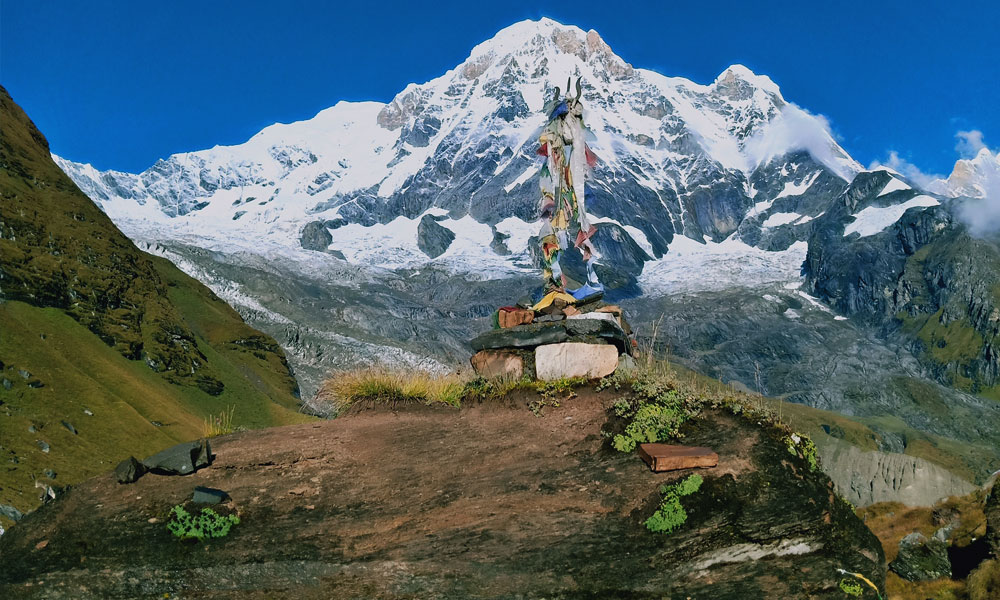
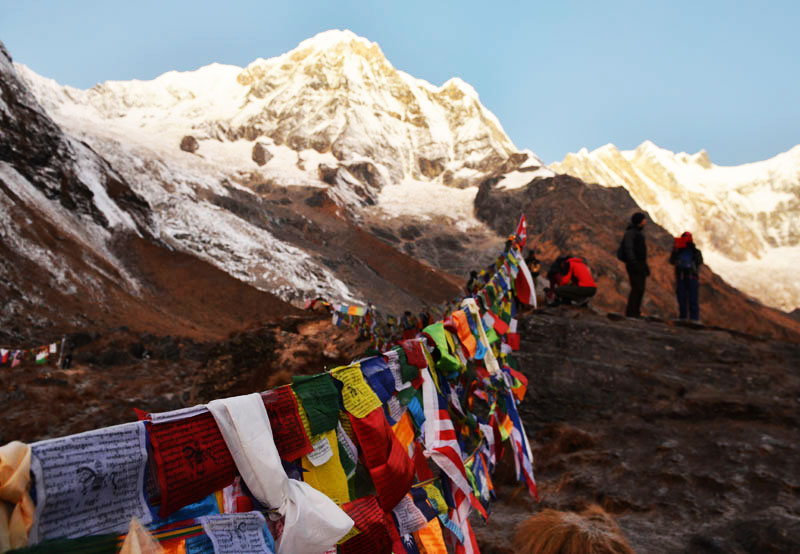
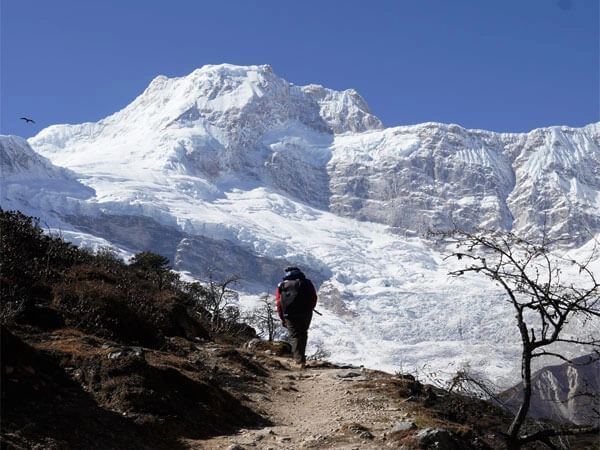
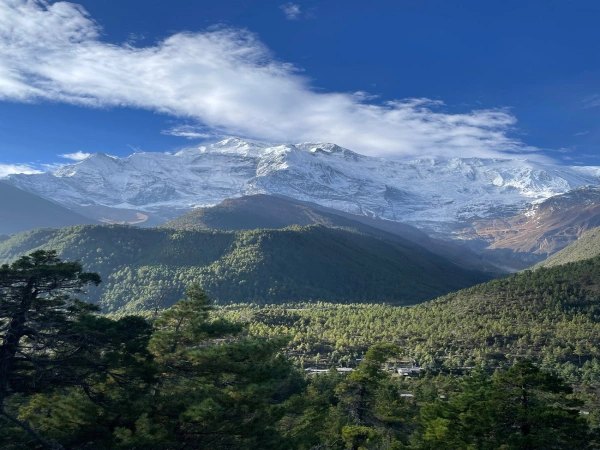
The best time for the Annapurna Base Camp trek is during the Autumn (September to November) and Spring (March to May) seasons, offering clear skies, stable weather, and comfortable daytime temperatures.
Autumn (September to November)
October: Peak month with crystal-clear skies, dry trails, and the best mountain views, though it is the most crowded.
November: Crisp air and stable visibility continue, though higher altitude nights become very cold.Daytime Temperatures: 5°C to 15°C at base camp (4,130 meters); warmer at lower elevations.
When is the Best Time to Trek Annapurna Base Camp?
Choosing the best time for the Annapurna Base Camp Trek is not just about weather. The route moves through dramatically different terrain, starting in subtropical river valleys and climbing to alpine terrain at 4,130 meters within just a few days. What that means for you is that the season shapes everything: what you see, how your body handles the altitude, how busy the trail is, and how easy or hard the walking gets.
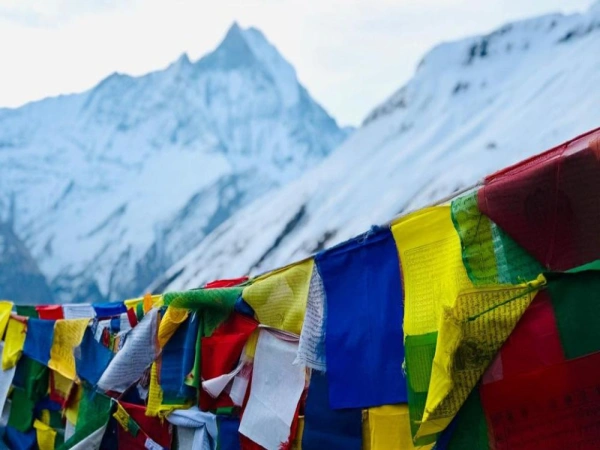
The best time to visit Annapurna Base Camp is during autumn (September to November) and spring (March to May). Both seasons offer stable weather, dry trails, and clear views of Annapurna, Machhapuchhre, Hiunchuli, and Gangapurna. But the right season for you depends on what matters most.
This guide breaks every season down honestly so you can decide.
Annapurna Base Camp Trek Seasons at a Glance
Season
Months
Weather
Mountain Views
Trail Conditions
Crowds
Spring
March to May
Stable, warming
Good to excellent
Dry and firm
High
Autumn
September to November
Stable, dry
Excellent
Dry and firm
Very high
Winter
December to February
Cold, occasional snow
Good between snowfalls
Icy above 3,000m
Very low
Monsoon
June to August
Heavy rain daily
Poor to moderate
Slippery, muddy
Very low
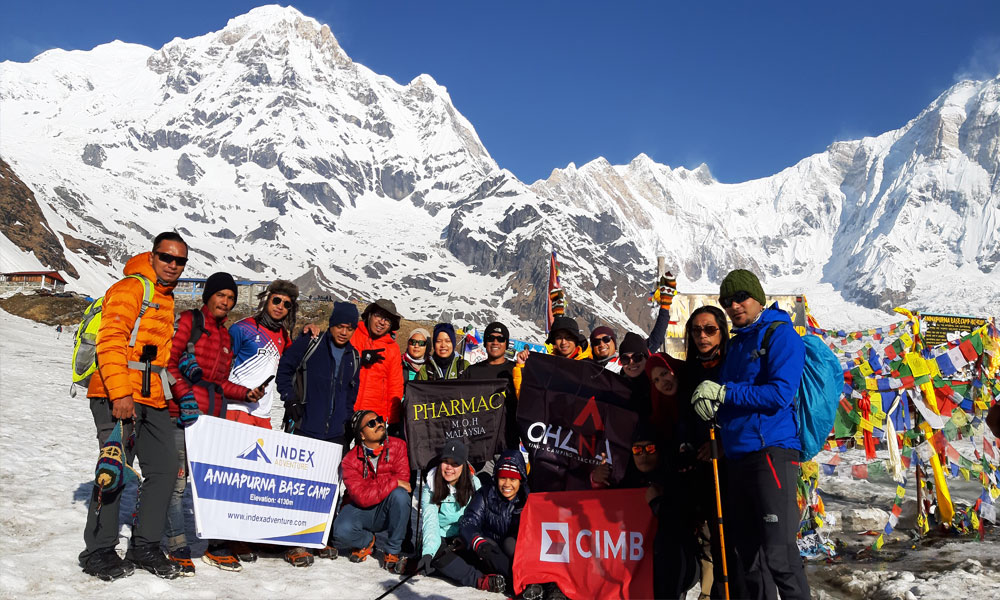
ABC Trek with Index Adventure
Is Autumn the Best Time for Annapurna Base Camp Trek?
Yes. Autumn is the best overall season for the ABC trek, and October sits at the peak of it.
After the monsoon rains pull back in late September, the skies over the Annapurna range go through a visible shift. The air becomes sharp and clear, mountain haze disappears, and the views of Annapurna I, Machhapuchhre, and Gangapurna are at their best. This is why October is the single most popular month for trekking ABC. Trekkers specifically plan trips around this window because the visibility is simply not matched at other times of year.
Temperature at Annapurna Base Camp (4,130m) in Autumn:
Time of Day
Temperature
Daytime
5°C to 15°C
Nighttime
Around -5°C
Trails are dry from top to bottom. Stone steps that become dangerously slick in monsoon are firm and reliable in October. The moderate temperatures support a steady climbing pace without overheating at lower elevations or freezing at the higher camps.
Autumn also coincides with Nepal's two most important festivals, Dashain in October and Tihar in November. If your trail passes through local villages during these weeks, the cultural experience adds something that the scenery alone cannot replicate.
The trade-off is the crowds. October specifically is the busiest trekking month in Nepal. Teahouses in Chhomrong, Deurali, and Machhapuchhre Base Camp fill up quickly. Booking accommodation ahead is not optional during peak October. Early November offers nearly identical conditions with noticeably fewer groups on the trail.
Best months in autumn: October for views. Early November for a quieter trail with the same clear skies.
Is Spring a Good Time for the Annapurna Base Camp Trek?
Yes. Spring is the second peak season, and, for certain trekkers, it is genuinely the preferred one.
From late March through mid-May, the lower sections of the ABC route come alive with rhododendrons. Nepal's national flower blooms in pink, red, and white across the Annapurna forests, and the effect on the trail below 3,000 meters is striking. If you have seen photographs of trekkers walking through flowering forests on the way to ABC, those were almost certainly taken in spring.
Temperature at Annapurna Base Camp (4,130 m) in Spring:
Time of Day
Temperature
Daytime
7°C to 17°C
Nighttime
Around -5°C
Mountain views in spring are excellent, though afternoon cloud buildup at higher altitudes is common from mid-morning onwards. Starting your walking days early, between 6:00 AM and 7:00 AM, puts you at the better viewpoints before the clouds arrive. Longer daylight hours in spring also give you more flexibility in timing each day's walk, which helps with gradual acclimatization.
Mid-April is the peak bloom season. Late March is quieter and slightly cooler but still excellent. May is good but the heat builds at lower elevations and pre-monsoon clouds become more frequent.
Best month in spring: April for rhododendrons and views together. Late March for a calmer trail.
Can You Trek Annapurna Base Camp in Winter?
Yes, with proper gear and an experienced guide. But winter demands real preparation that goes beyond packing an extra fleece.
From December through February, snowfall changes the Annapurna Sanctuary significantly. The section above Deurali through Machhapuchhre Base Camp and on to ABC carries varying depths of snow depending on recent falls. Icy sections appear on steep stone staircases. But after snowfall, the skies often clear completely, revealing the Annapurna range and Machhapuchhre with a dramatic quality that other seasons cannot match.
Temperature at Annapurna Base Camp (4,130 m) in Winter:
Time of Day
Temperature
Daytime
0°C to 7°C
Nighttime
-10°C to -15°C
The trail is noticeably quieter. Teahouses stay open through most of winter, but some high-altitude ones reduce services during heavy snowfall weeks. If solitude, snow-covered alpine scenery, and a genuine Himalayan wilderness feeling are your priorities, winter delivers all three.
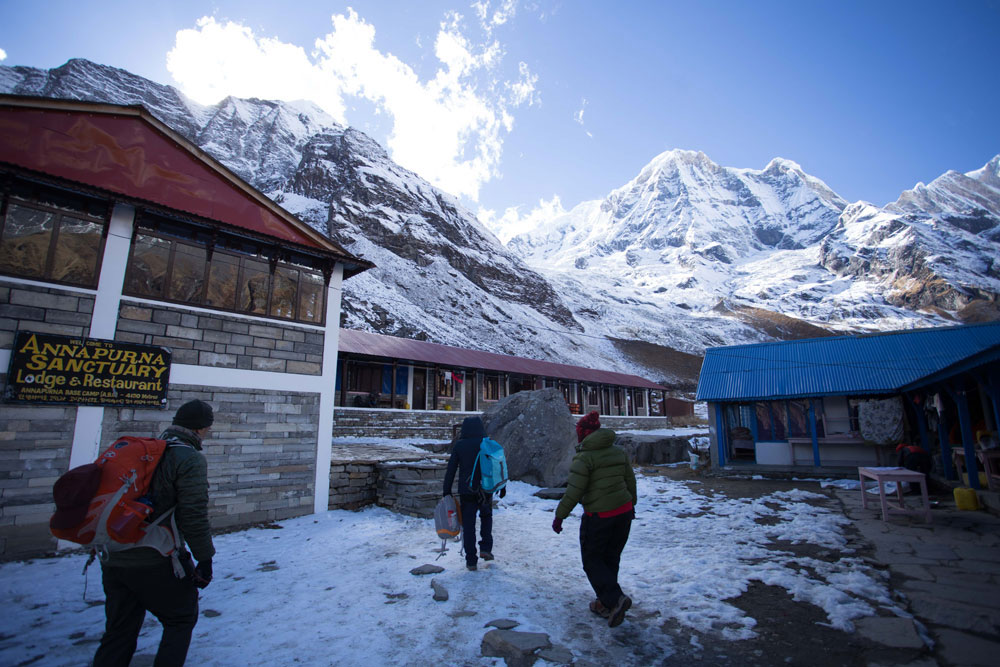
Lodges during Annapurna Base Camp Trek
Winter trekking to ABC is best suited for experienced trekkers with prior high-altitude experience and appropriate cold-weather gear. It is not the right choice for first-timers.
Can I Trek to Annapurna Base Camp in Monsoon Season?
Yes, the route stays open during monsoon, which runs from June through August. But it is the most challenging time to trek ABC, and July and August specifically are the months most guides advise against.
Heavy rainfall makes lower trail sections muddy and slippery. Leeches are active throughout the forest sections below 2,000 meters. Cloud cover blocks the mountain views for most of the day. And landslide risk on road sections between Pokhara and the trailhead increases during sustained rainfall.
Temperature in lower trail sections (Monsoon):
Elevation Zone
Daytime Temperature
Pokhara (827m)
24°C to 30°C
Lower forests (below 2,000m)
18°C to 26°C
Annapurna Base Camp (4,130m)
8°C to 18°C
That said, the monsoon landscape is genuinely beautiful in its own way. The forests turn deep green, rivers run full, and waterfalls appear across hillsides that are dry and brown in other seasons. Crowds drop dramatically, and teahouse prices follow. Trekkers who understand the trade-offs and prepare properly do find the monsoon trek rewarding.
June is the most workable monsoon month. July and August carry the heaviest rainfall and the worst trail conditions.
Note: If trekking in monsoon, June is the better option. Avoid July and August if possible.
Best Month for Annapurna Base Camp Trek: Full Ranking
Month
Season
Conditions
Verdict
January
Winter
Cold, possible snow above 3,000m
For experienced trekkers with winter gear
February
Winter
Warming slightly, snow still possible
Suitable with strong preparation
March
Spring
Good, rhododendrons starting
Excellent shoulder month
April
Spring
Peak bloom, clear views
Best spring month
May
Spring
Warmer, pre-monsoon clouds building
Good but watch afternoon weather
June
Monsoon
Rain beginning, trails getting muddy
Challenging, manageable with prep
July
Monsoon
Heavy rain, leeches, limited views
Avoid if possible
August
Monsoon
Similar to July, heaviest rainfall
Avoid if possible
September
Transition
Monsoon clearing, conditions improving fast
Good shoulder, increasingly excellent
October
Autumn
Post-monsoon clarity at its peak
Best single month of the year
November
Autumn
Clear, cool, slightly fewer trekkers
Second-best month overall
December
Winter
Cold increasing, snow possible
For experienced trekkers
Summary:
Best overall: October
Second best: November and April
Shoulder months worth considering: March and May
Most challenging: July and August
Mountain View during ABC Trek
Annapurna Base Camp Temperature by Month
Month
ABC Daytime (4,130m)
ABC Nighttime
Lower Trail Daytime
January
-2°C to 5°C
-12°C to -18°C
8°C to 14°C
February
0°C to 7°C
-10°C to -15°C
10°C to 16°C
March
4°C to 12°C
-7°C to -10°C
14°C to 20°C
April
7°C to 15°C
-4°C to -7°C
16°C to 23°C
May
8°C to 17°C
-3°C to -6°C
18°C to 25°C
June
9°C to 18°C
2°C to 5°C
20°C to 28°C
July
8°C to 18°C
4°C to 7°C
22°C to 29°C
August
8°C to 18°C
4°C to 7°C
22°C to 29°C
September
7°C to 16°C
0°C to 4°C
18°C to 26°C
October
5°C to 15°C
-3°C to -6°C
14°C to 22°C
November
2°C to 12°C
-5°C to -9°C
10°C to 18°C
December
-1°C to 7°C
-10°C to -15°C
8°C to 14°C
When Is the Annapurna Base Camp Trek Most Crowded?
October is the busiest month by a clear margin. The second and third weeks of October see the heaviest trail traffic, driven by stable post-monsoon weather and the visibility window that serious trekkers and photographers specifically target. Teahouses in Ghorepani, Chhomrong, and Machhapuchhre Base Camp fill up fast during these weeks. Booking accommodation in advance is genuinely necessary, not just recommended.
April is the second busiest period. The rhododendron bloom draws both trekkers and photography enthusiasts, and the spring crowds, while lighter than October, still fill popular teahouses quickly.
If you want good conditions without the peak crowds:
Early November gives you clear autumn skies with noticeably fewer groups than October. Late March sits before the April bloom peak and offers calm, pleasant conditions. Mid-September is another solid option: the monsoon is clearing, views are improving daily, and trekker numbers are still low.
Winter and monsoon months see a fraction of the crowd levels of the peak seasons. If solitude matters to you more than guaranteed views, those windows deliver it.
Which Is the Shortest Route for Annapurna Base Camp Trek?
The shortest practical walking route to ABC starts at Jhinu Danda, reached by private vehicle from Pokhara. From there, the route follows Jhinu Danda to Sinuwa, then Deurali, Machhapuchhre Base Camp, and Annapurna Base Camp, before retracing the same path back.
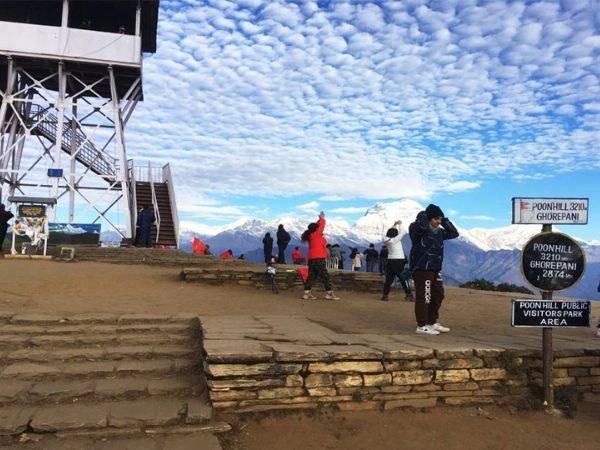
This version takes approximately 8 days. It skips the Ghorepani and Poon Hill sections that most standard itineraries include, cutting significant time without eliminating the core trek experience.
That said, season matters even more on a compressed itinerary. In autumn or spring, 8 days is workable with the right preparation. In winter or monsoon, extra buffer days become necessary, and the standard short itinerary may need to stretch to 10 or 11 days for safety.
The 8-day route is best for experienced trekkers or those with previous Himalayan trekking background. First-timers are better served by a 12 to 14-day itinerary that builds in proper acclimatization time.
Majestic Sunrise View of Annapurna
Index Adventure ABC Trek Packages
Index Adventure runs guided Annapurna Base Camp treks year-round with licensed guides, full teahouse logistics, and itineraries suited to different schedules and fitness levels.
Package
Duration
Price From
Best For
Classic ABC Trek
14 days
USD 1,090
First-time trekkers wanting the full route
ABC Short Trek
11 days
USD 1,130
Trekkers with tighter schedules
Annapurna Circuit Trek
14 days
USD 1,250
Those wanting the longer circuit route
Classic Annapurna Circuit
15 days
USD 1,350
Full circuit with buffer days
Annapurna Panorama Trek
8 days
USD 710
Short treks with Himalayan views
Annapurna Luxury Trek
9 days
USD 1,750
Comfort-focused itinerary
All packages include ACAP permit assistance, a licensed guide, teahouse accommodation, and meals on the trail. Private departures and custom itineraries are also available.
The standard route starts at Hile (1,430m) and moves through the Modi Khola valley, subtropical forests, and alpine terrain before reaching Annapurna Base Camp. Return is via Jhinu Danda.
Frequently Asked Questions: Best Time for ABC Trek
What is the best time for the Annapurna Base Camp Trek?
Spring (March to May) and autumn (September to November) are the best times for the ABC trek. Both seasons bring stable weather, clear views, and dry trails. October offers the clearest post-monsoon skies. April is the best month for rhododendron blooms.
What is the best time to visit Annapurna Base Camp?
October is the single best month to visit Annapurna Base Camp. Skies are exceptionally clear after the monsoon, temperatures are comfortable, and the mountain views of Annapurna, Machhapuchhre, and Gangapurna are at their sharpest.
Which month is best for the ABC trek?
October is the best overall month. November and April are close seconds. March and May work well as quieter shoulder options. July and August are the most challenging months due to monsoon rainfall.
What is the temperature at Annapurna Base Camp during autumn?
Daytime temperatures at ABC (4,130m) in autumn range from 5°C to 15°C. Nights drop to around -5°C. Lower trail sections stay warmer, averaging 14°C to 22°C during the day in October.
Is spring a good time for the ABC trek?
Yes. Spring is the second peak season and the best time for rhododendron blooms. April specifically is the peak bloom month. Views are excellent, though afternoon clouds build regularly at higher elevations. Start walking early each morning.
Can you trek to Annapurna Base Camp in winter?
Yes, with proper cold-weather gear and an experienced guide. Winter temperatures at ABC drop to -15°C at night. Snowfall above Deurali can make sections icy. It is best suited for experienced trekkers, not first-timers.
Is it safe to trek to Annapurna Base Camp during monsoon season?
The trail stays open during monsoon, but conditions are genuinely difficult. Heavy rain, slippery trails, leeches below 2,000m, and frequent cloud cover make June through August the hardest window. June is more manageable than July and August, which see the heaviest rainfall.
When is the ABC trek most crowded?
October is the busiest month. April is the second busiest. Early November and late March offer similar conditions with noticeably fewer trekkers.
What is the shortest route for the Annapurna Base Camp Trek?
Starting from Jhinu Danda by private vehicle from Pokhara and following the Jhinu Danda to Sinuwa, Deurali, MBC, and ABC route gives you the shortest version at approximately 8 days.
What festivals can I experience during the ABC trek in autumn?
Dashain falls in October and Tihar follows in November. Both are Nepal's most important festivals. Trekking through local villages during these weeks means encountering decorations, celebrations, and cultural events that add significant depth to the journey.
How do seasons affect acclimatization on the ABC trek?
Autumn and spring both support good acclimatization because stable weather allows steady, consistent ascent. Winter can complicate acclimatization if snowfall forces rushed movement on certain sections. Monsoon humidity affects lower-elevation comfort but has less impact on acclimatization above 3,000m.
Index Adventure runs guided ABC treks throughout the year with TIMS and ACAP permit support, licensed guides, and itineraries designed for different timeframes and fitness levels. Reach out to plan your trip.